

https://shop.fervogear.com/cart

F1 Teams Reject Major 2026 Driver Complaint Solution


Highlights
- Teams rejected rule change addressing 2026 tyre pressure complaints.
- High tyre pressures cause grip loss and overheating issues.
- Pirelli proposed a black and orange flag for active aero failures.
- Rule rejection means high tyre pressures stay for 2026 season.
- Pirelli could lower pressures by 1-3 psi if rule approved.
- Drivers continue facing handling problems due to unchanged tyre pressures.
Formula 1 teams have rejected an FIA-endorsed rule change intended to ease 2026 tyre-pressure complaints, keeping Pirelli’s elevated minimums in place to mitigate safety risks linked to active aerodynamics.
Drivers report reduced grip, increased lock-ups, and sluggish warm-up. Overheating compounds the slide, leaving tyres feeling over-inflated and difficult to manage across stints.

Teams voted down the proposal, so high minimum tyre pressures remain for 2026.
Haas rookie Ollie Bearman highlighted the problem at Barcelona, describing balloon-like behaviour and escalating temperatures, as outlined in the Haas team blame F1 report.
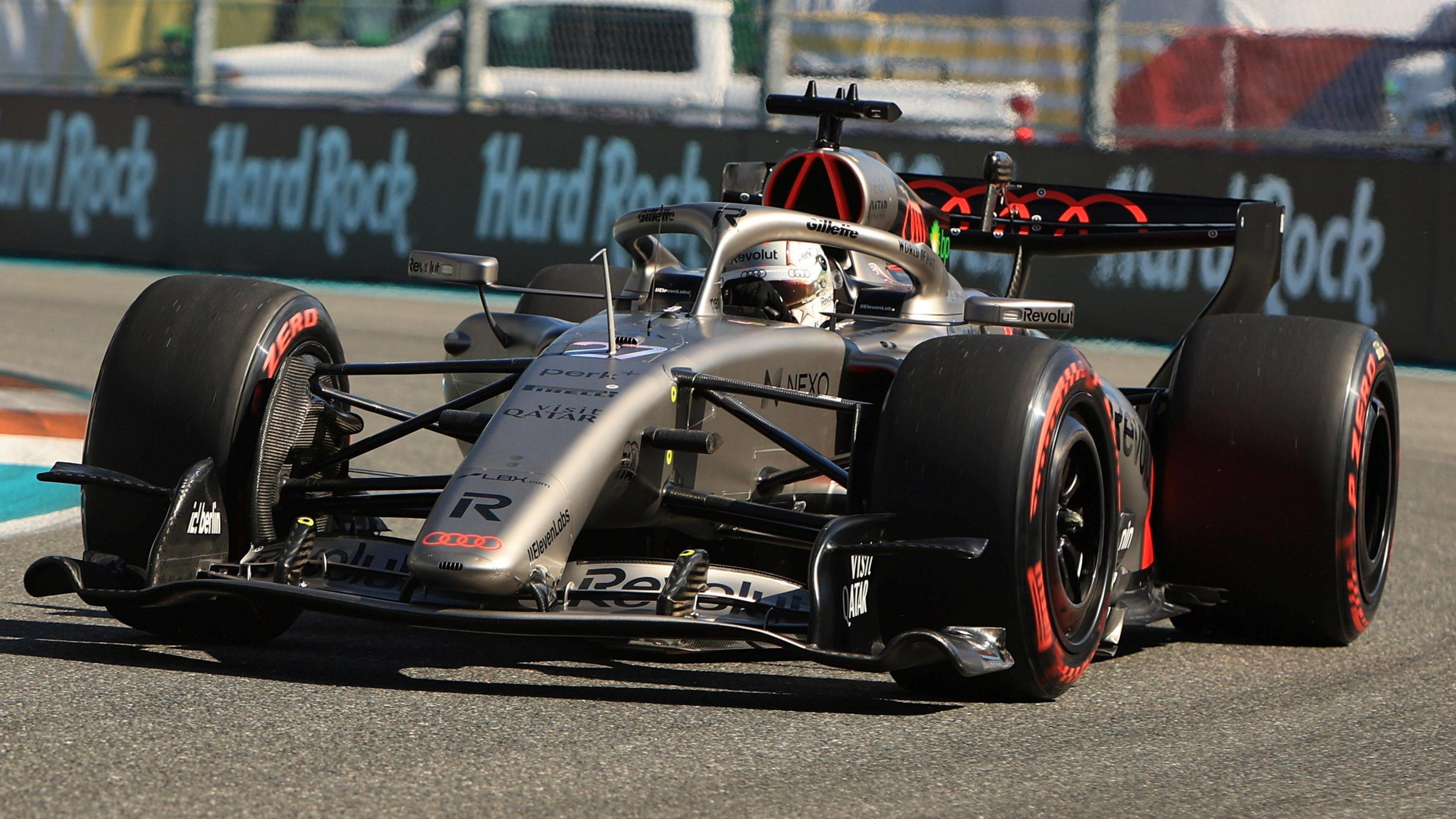
Active aero in 2026 switches between straight and corner modes, altering downforce and tyre vertical load. That variability heightens sensitivity to pressure and surface temperature management.
The principal risk is a failure that leaves corner mode engaged on a straight, spiking loads. Pirelli responded conservatively with higher minimums to guard against rare but severe failures.
[pervogear_custom]Proposal: black-and-orange flag for active-aero failures after five laps, requiring a pit stop.[/pervogear_custom]
Its mitigation plan allowed mid-season pressure reductions, policed by a black-and-orange flag if corner mode persisted beyond five laps.
The flag would mandate an immediate stop and, if unresolved, retirement, preventing prolonged overload and creating space to lower pressures without increasing structural risk.
The FIA deemed the mechanism workable, but a super majority was required. Teams rejected it, fearing competitive disruption and penalties that could end strong results.
The outcome locks current limits for 2026 and probably 2027, prolonging warm-up difficulty, lock-up risk, and stint degradation that constrain setup choices and strategy options.
Pirelli estimates a 1–3 psi reduction, mainly at the rear, if the flag system were adopted.
Pirelli chief engineer Simone Berra said the result was expected. Worst-case planning prevails because straight-mode failures, though rare, carry unacceptable consequences.
Berra estimated a 1–3 psi reduction, particularly at the rear, with the flag system. Without it, drivers manage compromised balance while teams prioritise robustness over peak performance.
This decision sits within wider 2026 turbulence, including FIA F1 2026 issues and format shifts such as the 2026 qualifying race changes.
Teams also weigh regulatory interpretations, reflected in analyses like the McLaren F1 rules analogy, reinforcing caution around mid-season technical pivots.
Visual Summary
💨
👨🔧👩🔧
🧑💼🧑💼
“Balloon Tyres” Stay: Drivers Lose the Pressure Battle
Teams rejected a plan to cut F1 tyre pressures, leaving drivers wrestling with low grip & “balloon” handling for 2026.
Safety wins for now—comfort takes a back seat.
+3 psi
⬆️ Grip lost, corners tricky
RULES UNCHANGED

Daniel Miller reports on Formula 1 Grand Prix weekends with race-day analysis, team-radio highlights, and point-standings updates. He explains power-unit upgrades, aerodynamic developments, and driver rivalries in straightforward, SEO-friendly language for a global F1 audience.