

https://shop.fervogear.com/cart

Stefano Domenicali Takes Charge After Harsh F1 Driver Rule Criticism

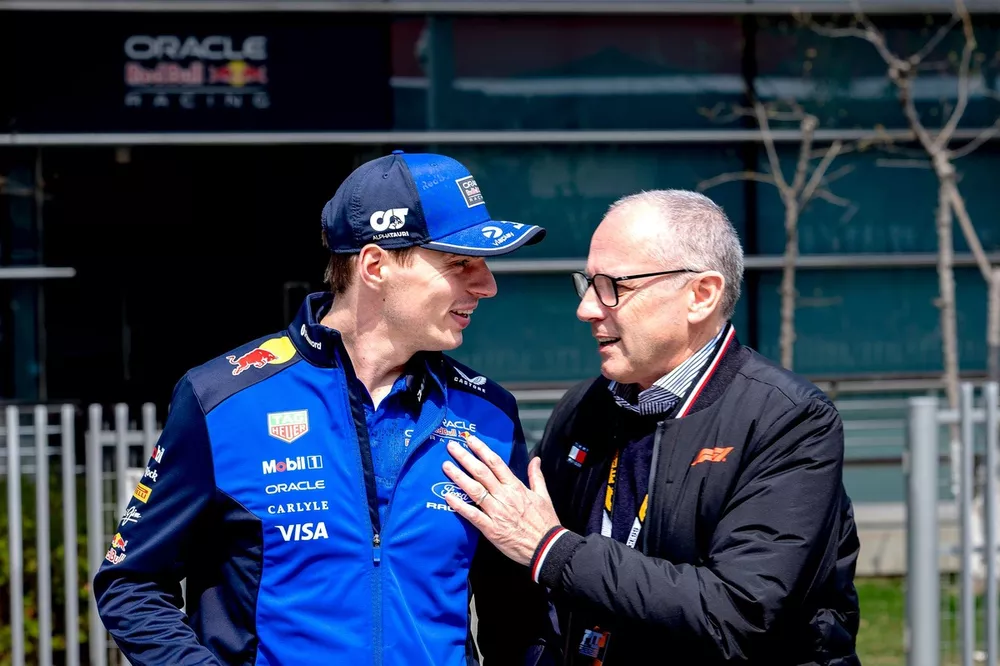
Highlights
- F1 CEO Domenicali responds to driver criticism of 2026 rules
- New power units output 50% from upgraded battery systems
- Drivers call battery-heavy driving “anti-racing” and criticize track impact
- Plan set to increase combustion engine power to 60% by 2028
- Audi and Honda return as power unit suppliers for 2026 season
- Domenicali urges unity, balancing innovation with racing excitement
Stefano Domenicali responds to driver criticism of 2026 technical regulations, insisting leadership must act for Formula 1’s interests. He urges balance between innovation and racing as the season beds in.
This year’s power units shift roughly 50% of output to upgraded battery systems. Drivers report knock‑on effects for drivability and corner approach, with Max Verstappen and others voicing early pushback.

New power units deliver roughly 50% of output from batteries in 2026.
Verstappen brands the battery‑heavy style “anti‑racing,” likening it to “Formula E on steroids.” Fernando Alonso highlights the Suzuka Esses becoming “charging stations,” where energy deployment management displaces traditional commitment.
Those views accelerated talks between drivers, the FIA, and F1 during the April break. The dialogue follows earlier driver criticism of the new rules and a commitment to refine implementation.
A compromise emerges to shift the power split again, raising combustion contribution to around 60% by 2028. The aim is to reduce battery reliance without discarding efficiency and sustainability targets.
Target set to lift combustion contribution to 60% by 2028.
Domenicali says open expression is part of F1’s appeal, and no one will be silenced. But leadership must prioritise the sport’s overall health above personal preferences or social‑media negativity.
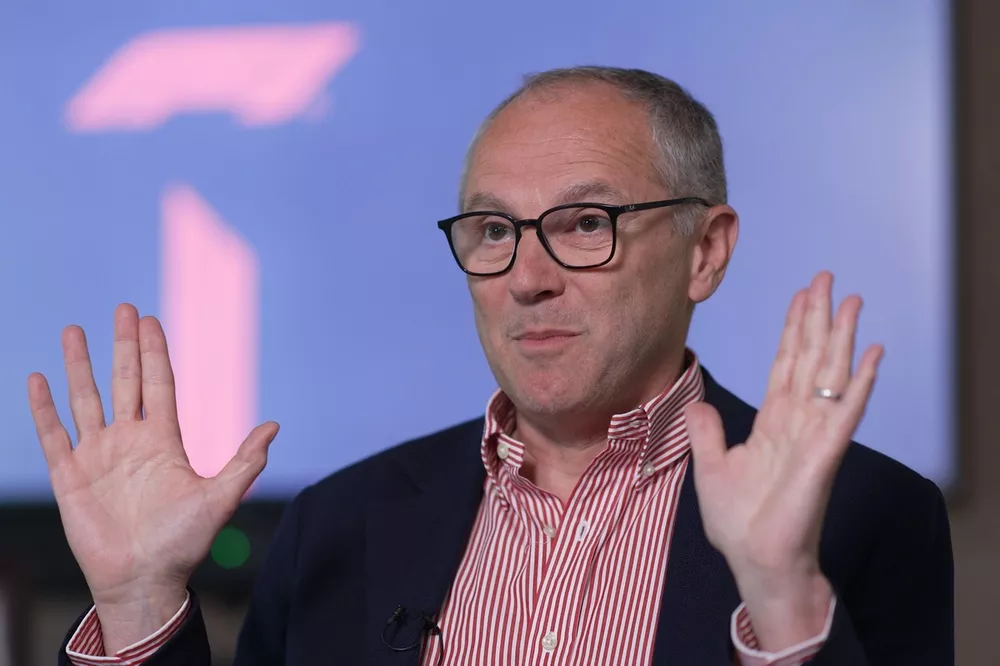
The 2026 framework also targets manufacturer engagement, already evidenced by Audi and Honda committing as power unit suppliers. That investment underpins the hybrid roadmap and intensifies pressure on incumbents.
Audi and Honda rejoin as power unit suppliers for 2026.
Implementation remains iterative. Domenicali’s recent season insights emphasise targeted tweaks, using track data to balance energy deployment, cornering demands, and race‑craft without undermining sustainability objectives.
Governance and messaging matter. Public criticism can skew perceptions, but structured working groups with the FIA and teams now steer changes, echoing ongoing drivers‑FIA dialogue on rule consistency.
As the season develops, F1 monitors energy recovery behaviour and race formats, adjusting where needed. Domenicali remains confident the process will protect the sporting show while advancing the technology roadmap.
Visual Summary
Engine
50%→60% by 2028
50%→60% by 2028
Balance Shift
Battery
50%→40% by 2028
50%→40% by 2028
Power Struggle: F1 Caught
Between Battery & Tradition
Between Battery & Tradition
🗣️
“Anti-racing!”
– Verstappen
“Anti-racing!”
– Verstappen
🗣️
“Chargers, not corners…”
– Alonso
“Chargers, not corners…”
– Alonso
👥
Compromise: More Engine, Less Battery by 2028
60% Engine
40% Battery
“My duty is to do what’s best for F1. Everyone can speak out—but the sport comes first.”
– Stefano Domenicali
All voices heard.
One direction forward.

Daniel Miller reports on Formula 1 Grand Prix weekends with race-day analysis, team-radio highlights, and point-standings updates. He explains power-unit upgrades, aerodynamic developments, and driver rivalries in straightforward, SEO-friendly language for a global F1 audience.