

https://shop.fervogear.com/cart

Lewis Hamilton Reveals the ‘Pressure’ Thrill Missing in F1 Racing

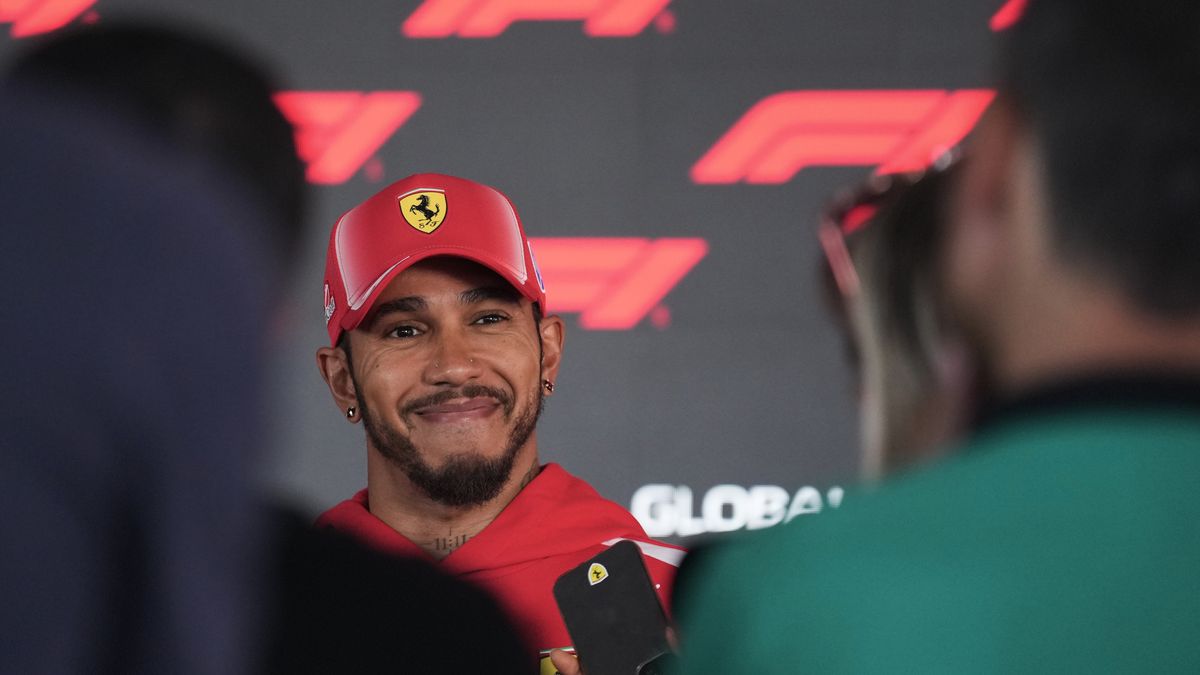
Highlights
- 2026 F1 regulations increase electric power to 50% total output.
- Battery management alters racing dynamics, reducing wheel-to-wheel combat.
- Monaco and Hungary favor tactical racing with battery recharge zones.
- Hamilton criticizes fast circuits for less exciting racing action.
- Drivers debate balancing innovation with preserving intense racing battles.
- Key races like Dutch Grand Prix due August 23, testing drivers.
Lewis Hamilton warns Formula 1 risks losing jeopardy at several 2026 events, arguing reduced wheel-to-wheel pressure stems from the new power-unit formula that reshapes how drivers attack and defend.
Hybrid output from the battery now contributes 50% of total power, up from roughly 20% in 2025, elevating energy management and altering the cadence of on-track battles.

Slower, stop-start venues such as Monaco and Hungary reward harvesting through heavy braking, enabling planned deployment windows and positioning games that can still generate tension.
High-speed layouts like Albert Park, Suzuka, Silverstone, and Spa impose longer flat-out sections, pushing drivers toward regeneration phases that discourage sustained attacks and complicate defensive positioning.
Fernando Alonso has described parts of Suzuka and Silverstone as ‘charging stations,’ a shorthand for sequences where harvesting takes priority over outright pace and risk.
Hamilton says the trend ‘completely upsets’ him, particularly because those tracks long showcased racecraft. The shift also reframes how spectators judge his brilliance over a stint.
Hamilton: reduced wheel-to-wheel “completely upsets” me at high-speed venues.
He accepts Monaco is a qualifying showcase with scarce overtaking, yet insists F1’s essence lies in pressure: defending, forcing errors, and executing moves without compromising later energy windows.
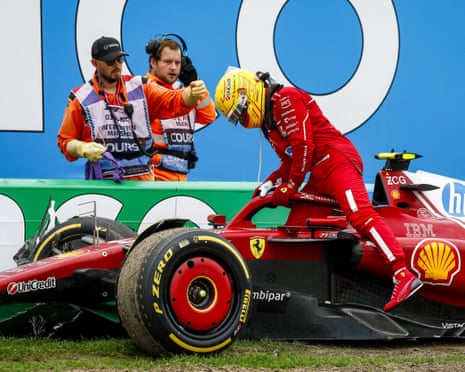
Teams and drivers adapt by refining deployment maps, lift-and-coast thresholds, and harvesting triggers, seeking gaps to strike without arriving energy-poor on the following straight.
2026 power units rely on a 50% electrical contribution, transforming race strategy and energy trade-offs.
That recalibration carries championship consequences. The Dutch Grand Prix on August 23 should stress-test these trade-offs, especially for Hamilton’s title challenge and his ongoing duel with Charles Leclerc.
More broadly, the paddock weighs innovation against spectacle. The competitive aim is clear: preserve strategic nuance while restoring the immediate jeopardy that once defined battles at F1’s fastest circuits.
Drivers argue fast sections risk becoming “charging stations,” diluting attack-and-defence sequences fans expect.
Visual Summary
vs.
Hamilton:
“Real Racing Pressure Is Fading in 2026”
“Real Racing Pressure Is Fading in 2026”
2025 Power: 20% electric
2026 Power: 50% electric
2026 Power: 50% electric
’25
’26
Wheel-to-Wheel
Energy Management
Are we charging up at the cost of heart-pounding battles?
Hamilton and fans crave wheel-to-wheel drama.
Will battery strategy ever rival the thrill of pure on-track pressure?
Hamilton and fans crave wheel-to-wheel drama.
Will battery strategy ever rival the thrill of pure on-track pressure?

Daniel Miller reports on Formula 1 Grand Prix weekends with race-day analysis, team-radio highlights, and point-standings updates. He explains power-unit upgrades, aerodynamic developments, and driver rivalries in straightforward, SEO-friendly language for a global F1 audience.