
https://shop.fervogear.com/cart

Alpine Faces Crucial Challenge in Defining New Era

Highlights
- Alpine struggles in midfield after strong 2026 season start.
- McLaren won first race, highlighting Alpine’s current challenges.
- Gasly praises progress but Alpine trails rivals’ development gains.
- Alpine plans key upgrade for Dutch Grand Prix at Zandvoort.
- Racing Bulls outpaced Alpine with 10 upgrades versus six.
- Alpine hopes upgrades can secure fifth in constructors’ championship.
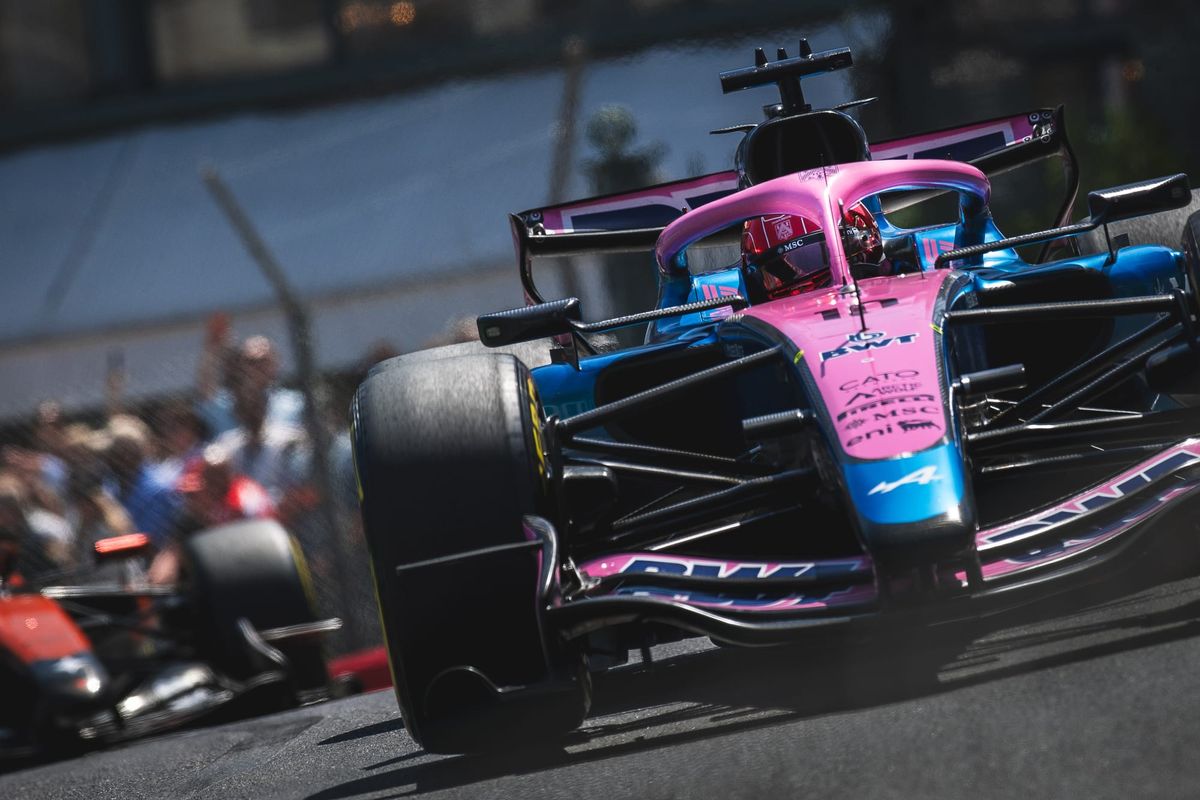
Alpine’s 2026 Formula 1 campaign has stalled. After a promising start, the team slips into the midfield. Hungary delivers another no-score, the second in four races, demanding a reset.
McLaren’s first victory of its title defense underlines the current gulf. Despite Mercedes power, Alpine trails the benchmark packages it hoped to challenge.

Japan offers encouragement. Pierre Gasly beats Max Verstappen to seventh, with Alpine effectively the fourth-fastest car and just 1.028% off the outright pace.
Japan performance placed Alpine 1.028% off the fastest time, effectively fourth-best.
Budapest reverses that trend. The car ranks only seventh-fastest, more than 2% adrift of McLaren’s best laps, exposing a widening shortfall on high-load demands.
Hungary’s pace deficit exceeds 2% relative to McLaren, exposing Alpine’s slide.
Early highs, including a Monaco podium, now feel distant. Qualifying repeatedly leaves Alpine behind Racing Bulls and Audi, compromising track position and strategy flexibility.
Race pace compounds the issue. Tyre management and balance swings limit stint consistency, blunting any undercut or offset attempts against immediate rivals.
Racing Bulls introduced 10 upgrades in four races; Alpine managed six, mostly clustered around Austria.
This competitive shift reflects rivals’ development more than Alpine’s errors. Gasly cites Racing Bulls’ relentless upgrade cadence, as detailed in the Alpine development war analysis.
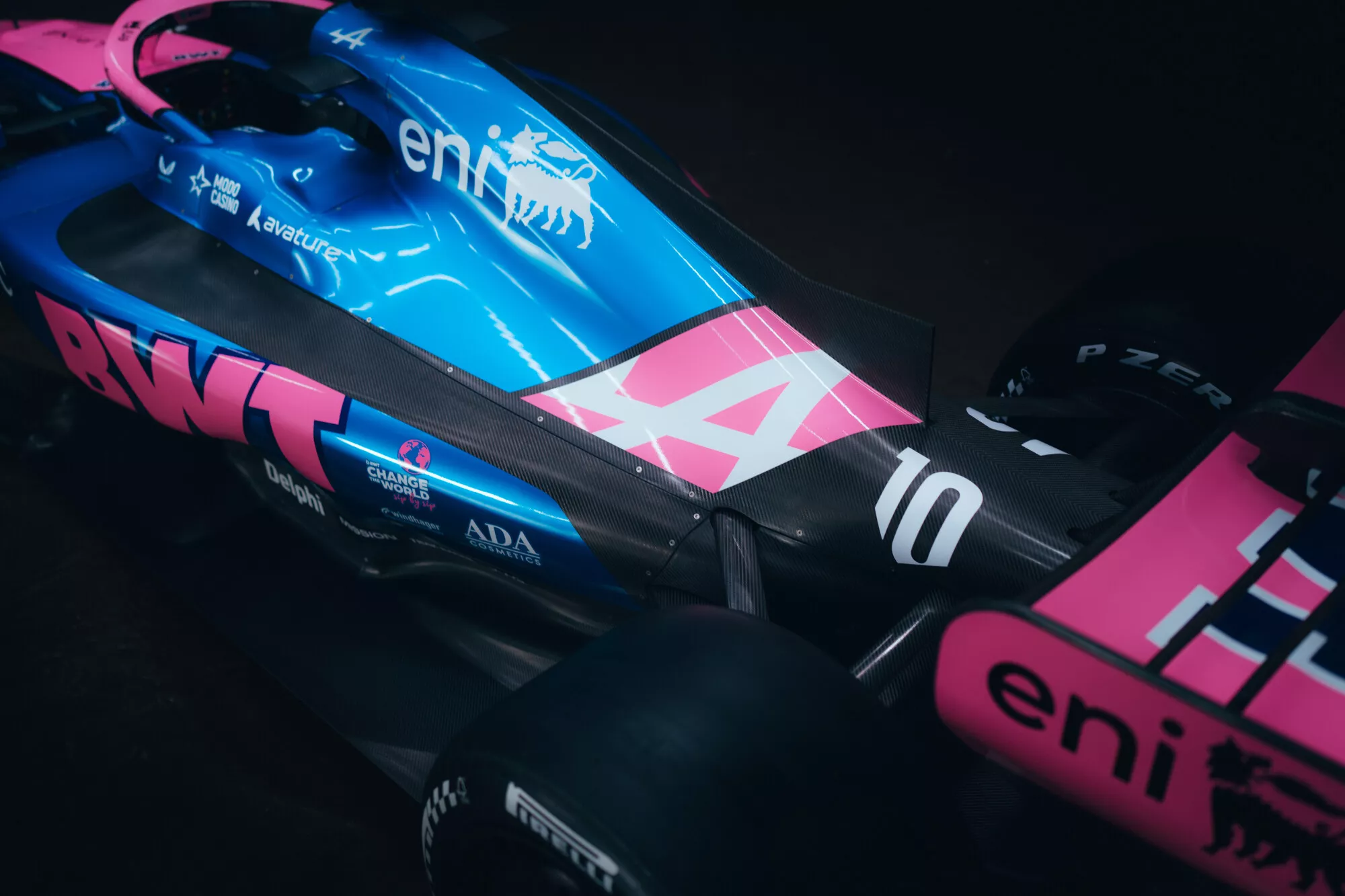
Racing Bulls brings 10 updates across four events, while Alpine introduces six, most clustered around Austria. That disparity alone helps explain the recent loss of competitive ground.
No new parts arrive for the high-load Hungarian layout. Team leadership concedes a development lag compared to direct midfield opponents.
Attention now turns to Zandvoort. A substantial package is scheduled to tame inconsistent aerodynamic balance, rear-end looseness through corner exits, and persistent mid-corner understeer.
Gasly sets ambitious benchmarks. He references Aston Martin’s two-second swing and Racing Bulls’ one-second gain since season start, echoing the impact of the Aston Martin upgrade.
Zandvoort’s package is pivotal to protecting fifth in the constructors’ standings.
If the update lands, Alpine can stabilise fifth in the constructors’ championship. Miss, and that target becomes exposed to better-developed rivals.
Context matters. Flavio Briatore’s arrival reasserts expectations of regular points and top-six finishes, as outlined in his Alpine F1 rebuild brief.
This car is clearly stronger than last year’s, and arguably the best since 2022. But the development curve flattens just as competitors escalate.
With half the season remaining, opportunity still exists. Converting Zandvoort’s package into lap time is the cleanest way to validate the Mercedes partnership and winter groundwork.
Failing that, the much-heralded new era risks fading before genuine momentum forms. The next few races will define Alpine’s 2026 ceiling.
Visual Summary
Monaco
PODIUM
PODIUM
Hungary
OUTSIDE POINTS
OUTSIDE POINTS
▲ 1.028%
Off Top Pace
Japan
Japan
▼ 2%+
Off Top Pace
Hungary
Hungary
🐂
Racing Bulls
10 UPGRADE PACKS
10 UPGRADE PACKS
🔷
Alpine
6 UPGRADE PACKS
6 UPGRADE PACKS
Rivals’ development war
(since Austria)
(since Austria)
🔵
Alpine slipping into midfield
🔵
The upgrade race determines their fate.
Next hope: Zandvoort.
Next hope: Zandvoort.
Half a season left.
Will Alpine climb back or keep sliding?
Will Alpine climb back or keep sliding?

Daniel Miller reports on Formula 1 Grand Prix weekends with race-day analysis, team-radio highlights, and point-standings updates. He explains power-unit upgrades, aerodynamic developments, and driver rivalries in straightforward, SEO-friendly language for a global F1 audience.