
https://shop.fervogear.com/cart

Red Bull Fights Hard to Defend Lead After Tough F1 Season Start

Highlights
- Red Bull Racing debuts in-house Red Bull Ford DM01 engine.
- Team currently fourth with 177 points, no wins yet.
- Max Verstappen finished second in Austrian and Hungarian Grands Prix.
- Five DNFs recorded in 11 races due to reliability issues.
- Fans divided; 48.6% believe team should perform better.
- Red Bull trails Mercedes by 202 points in standings.
Red Bull Racing’s first season running the in-house Red Bull Ford DM01 has delivered a stuttering start, leaving the team fourth with 177 points and winless after 11 races.
Max Verstappen’s best results are seconds in Austria and Hungary, underscoring intermittent pace but not the authority expected from recent champions.

The shift to works power-unit status reshapes responsibilities and risk, exposing reliability and integration challenges usually borne by established manufacturers.
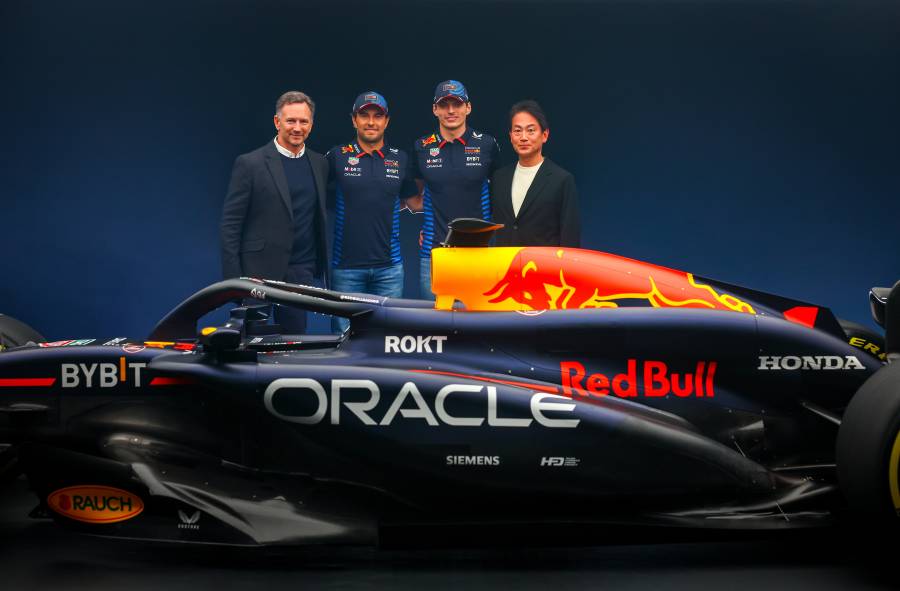
Team principal Laurent Mekies warned pre-season against instant parity with rivals, predicting “struggles, headaches, and sleepless nights” as systems, software, and calibration matured.
Laurent Mekies cautioned against instant parity, forecasting struggles as the DM01 package matured.
That forecast has proved accurate. Five DNFs in 11 races reflect reliability fragility, while four podiums hint at a growing, if fragile, performance baseline.
Five DNFs in 11 races underscore reliability concerns.
Verstappen frames the campaign as “very tough,” insisting the objective is sustained winning, not occasional podiums, a standard that defines this era of Red Bull.
The competitive cost is clear. Red Bull trails Mercedes by 202 points in the constructors’ standings, a deficit that compresses strategic options and elevates upgrade pressure.
Red Bull sits fourth on 177 points, 202 behind Mercedes, with no wins.
Recent weekends show incremental gains, with Verstappen taking four podiums in the last seven events, suggesting better correlation and execution around the DM01’s operating window.
Verstappen’s best results are P2 in Austria and Hungary.
The works power-unit project, outlined during Red Bull’s manufacturer return, sets a long-term horizon, with resources aligned to 2026 regulations and iterative reliability milestones.
Short-term, the task is operational: stabilise reliability, sharpen deployment and energy recovery, and unlock drivability that broadens set-up options across track types.
Fan sentiment reflects the gap to expectations. A RacingNews365 poll shows 48.6% believe the team should be performing better, underlining reputational stakes as much as competitive ones.
Management balances immediate scoring with longer-term goals, a tension typical of transition seasons. Progress must not compromise durability learning or 2026 development streams.
The calendar ahead, including the Dutch GP, will test whether recent podium rhythm can translate into wins as updates converge on the car–engine interface.
For now, the trend is modestly positive, but the benchmark remains unyielding. Converting fixes into predictable performance is essential as Red Bull maintains focus on rejoining the title fight.
Visual Summary
Red Bull (4th place, 177 pts)
Mercedes (Champion, +202 pts ahead)
⛔ 5 DNFs
Engine gremlins halting the charge
4× Podium
Verstappen keeps Red Bull in the fight
🥵
Uphill Battle for Red Bull
First year with their own engine, and it’s tough.
Podiums, but no wins.
Mercedes in sight – but far up the mountain.
Will the new Power Unit project pay off by season’s end?
Podiums, but no wins.
Mercedes in sight – but far up the mountain.
Will the new Power Unit project pay off by season’s end?

Daniel Miller reports on Formula 1 Grand Prix weekends with race-day analysis, team-radio highlights, and point-standings updates. He explains power-unit upgrades, aerodynamic developments, and driver rivalries in straightforward, SEO-friendly language for a global F1 audience.