
https://shop.fervogear.com/cart

Toto Wolff Champions Bold V8 Engine Overhaul with Purist Passion

Highlights
- Toto Wolff supports possible return of V8 engines in F1 regulations
- New engine rules may begin in 2030 or 2031, focusing on ICE
- FIA aims to reduce battery power, increasing combustion engine’s role
- Future engines expected to produce about 1,000 horsepower with 80% ICE output
- Power split to shift from 50:50 in 2026 to 60:40 favouring ICE
- Ferrari blocked a planned 50kW power jump; smaller increases planned
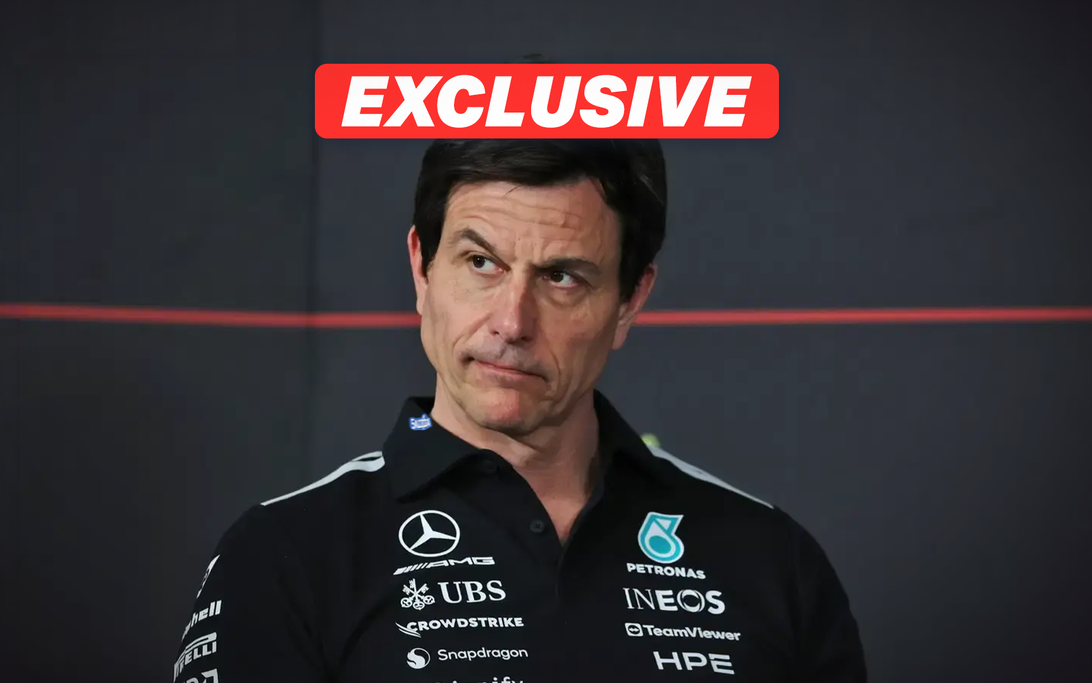
Mercedes team principal Toto Wolff backs a potential V8 return, echoing earlier comments on future engines, as Formula 1 shapes rules for 2030 or 2031.
The concept stems from FIA president Mohammed Ben Sulayem’s push to end the turbo-hybrid era launched in 2014, when Mercedes amassed 126 wins, eight constructors’ titles, and seven drivers’ crowns.

Revised rules would increase reliance on combustion, trimming battery deployment to a supporting role reminiscent of KERS, targeting about 1,000 horsepower with roughly 80% of output from the ICE.
Whether the V8s are naturally aspirated or turbocharged remains open. Wolff cites ongoing talks with Ben Sulayem, F1 CEO Stefano Domenicali, and manufacturers as the framework takes shape.
Wolff labels himself a purist and welcomes a potential V8 return under the next rules cycle.
He argues today’s power units are extraordinarily complex and have reshaped race dynamics. Some value the strategic overtaking patterns; others prefer simpler hardware and a purer driving emphasis.
Wolff is unmoved by the current soundscape, likening grid revs to a fire alarm rather than an evocative crescendo, underlining why acoustics feature prominently in this debate.
Future power units are targeted at roughly 1,000hp, with about 80% from the combustion engine.
Adaptation remains essential for drivers, with the evolution shaping Lewis Hamilton’s approach and rookie Kimi Antonelli’s learning curve, as shown in Mercedes’ development narrative this season.
In the near term, the 2026 50:50 hybrid power split is set to migrate toward 60:40 in favour of ICE for 2027-2028, via fuel-flow increases and hardware adjustments.
A proposed 50kW step for next year was blocked by Ferrari, limiting the increase to 20kW instead, with a larger 50kW move anticipated for 2028 to recalibrate performance.
Ferrari blocked a 50kW step for next year, limiting the increase to 20kW.
For Mercedes, a shift toward combustion could help address structural deficits, something Wolff has noted when discussing the team’s weaknesses and medium-term title prospects under forthcoming rules.
If agreed, the V8 formula would blend heritage acoustics with simpler architecture, while retaining electrification’s strategic value, potentially reshaping competitive order through packaging gains, drivability, and resource reallocation.
Visual Summary
The Roar Returns: F1 Eyes V8 Comeback
Toto Wolff leads motorsport’s march back to the visceral power and thrill of V8s.
New era. Old-school soul.
New era. Old-school soul.
BATTERY
COMBUSTION
80% ICE •
20% Electric – 1,000hp Target
20% Electric – 1,000hp Target
7
Drivers’ Titles Since 2014
126
Race Wins with Hybrids
2030?
V8 Era Returns?
🧠
Toto Wolff (Mercedes):
“As a purist, I want F1 to thrill us in our bones again.”
“As a purist, I want F1 to thrill us in our bones again.”
➟
From silent power…to thunder on track.
From silent power…to thunder on track.

Daniel Miller reports on Formula 1 Grand Prix weekends with race-day analysis, team-radio highlights, and point-standings updates. He explains power-unit upgrades, aerodynamic developments, and driver rivalries in straightforward, SEO-friendly language for a global F1 audience.