
https://shop.fervogear.com/cart

F1 Drivers Face High-Stakes Strategy Battle at Dutch GP

Highlights
- Lando Norris claimed pole for Dutch Grand Prix at Zandvoort
- Single pit stop strategy favored: medium to hard tyres
- Soft tyre starters pit earlier for hard tyres, slower overall
- Two-stop strategies risk losing positions due to overtaking difficulty
- Charles Leclerc overtook Norris in sprint race on soft tyres
- Pirelli highlights C4 compound’s strong grip in cooler conditions
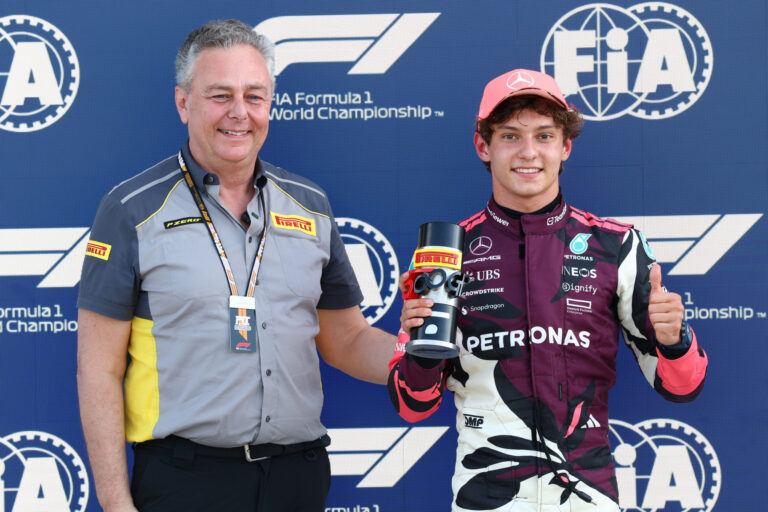
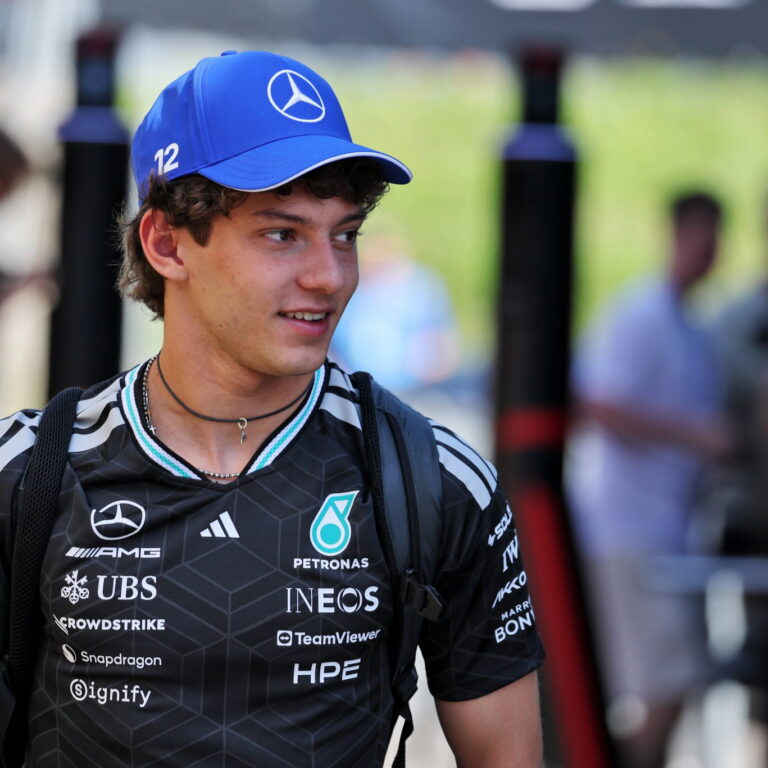
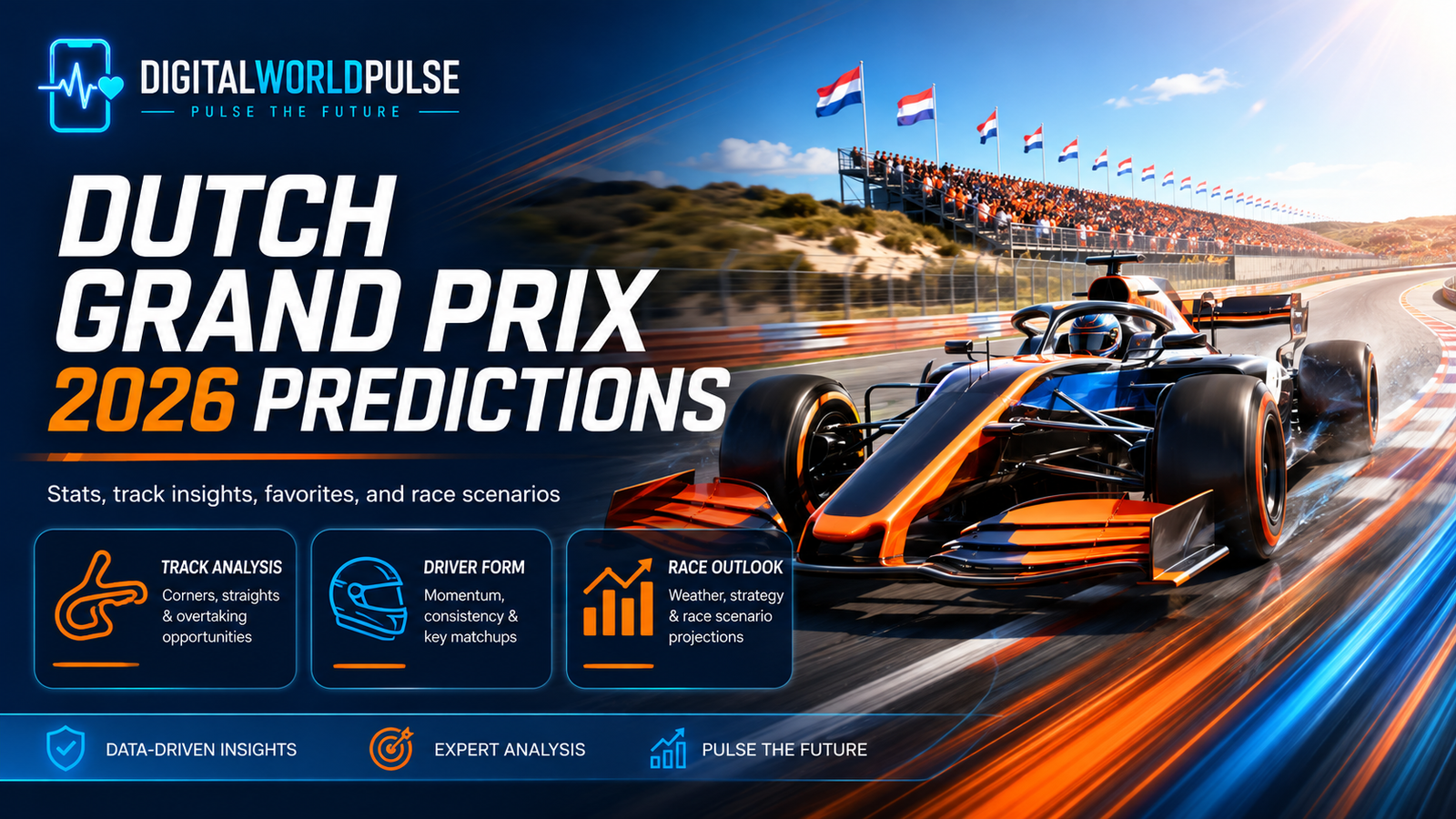
Lando Norris starts the Dutch Grand Prix from pole at Zandvoort, with George Russell alongside and Kimi Antonelli third. Strategy will dictate outcomes on a circuit that punishes track-position losses.
Overtaking remains difficult through Zandvoort’s narrow, banked sequence, so pit windows and tyre choice carry extra weight. Teams must judge degradation, safety-car risk, and undercut potential with unusual precision.

Norris on pole; track position likely decisive at Zandvoort.
The reference plan is a one-stop: start on mediums, switch to hards between laps 27 and 33. That profile balances stint length and pace, supported by recent tyre-wear analysis.
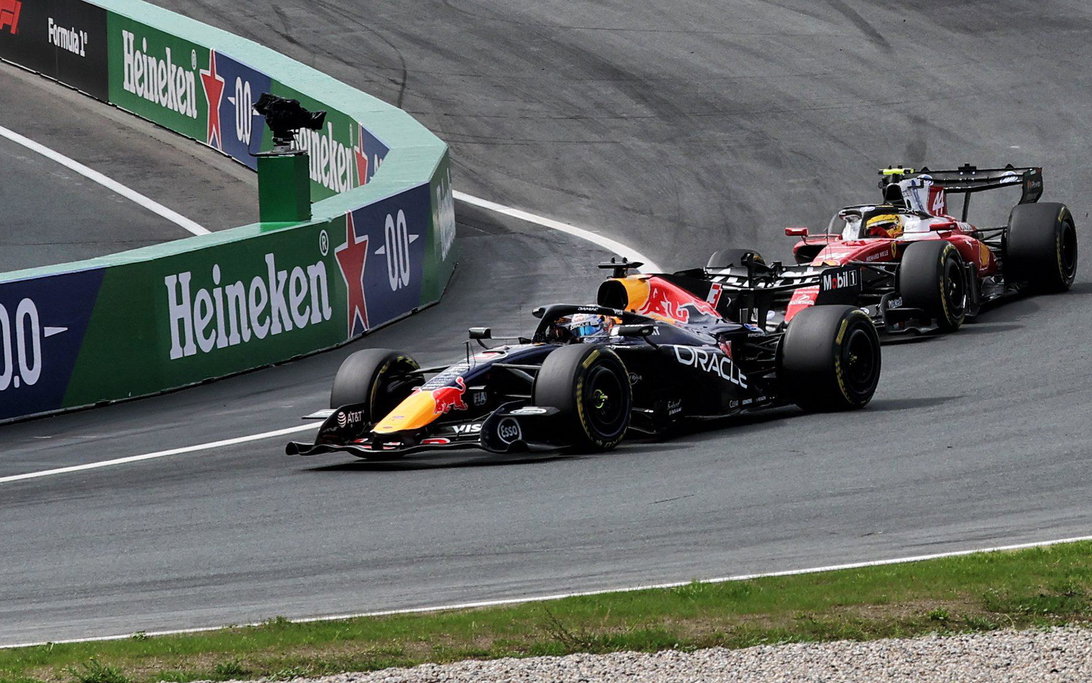
Starting on softs remains viable. Those drivers pit earlier, typically laps 26 to 32, then run the hard to the flag. Modelled race time is roughly one second slower overall.
Preferred baseline: medium to hard, laps 27–33.
Two-stop routes exist, such as medium-hard-soft or soft-medium-medium. Clean air can justify them, but pit-lane time loss typically hands back positions that are difficult to retrieve.
Pit-lane time loss is amplified at Zandvoort due to limited overtaking.
The sprint race offered useful context. Charles Leclerc stayed on softs, passed Norris, and finished second, underlining the C4’s grip in cooler conditions during a compact, lower-fuel run.
Pirelli’s Dario Marrafuschi highlights consistent performance from the C4 and warns that passing is tough once stops are done. That makes timing, track position, and out-lap execution decisive.
Safety cars could flip priorities. An early neutralisation favours the soft starters; a late one helps cars stretching mediums. Undercut power depends on warm-up and traffic, especially through Sector 2.
Front-runners must also watch Red Bull, whose race pace and pit execution often pressure leaders. Small errors carry heavy costs on a layout that rarely forgives strategic hesitation.
Expect the battle between Norris, Russell, and Antonelli to hinge on stop timing and tyre life rather than outright passes. Control of clean air may decide the winner.
Visual Summary
N
Norris
R
Russell
A
Antonelli
CL
Leclerc
Dutch Grand Prix: Tyre Strategy Puzzle
Medium ➔ Hard (Fastest)
Soft ➔ Hard (Overtake Option)
2 Stops (Risky!)
🚦
Overtaking is tough — every pit stop is a gamble
🎯
Best bet: Start Medium, pit laps 27–33 for Hard
🧩
Alternative: Soft tyres, pit earlier, hope for clean air
🚨
Safety cars, traffic & strategy drama can shake up the order!
The Dutch GP: A Strategic Chess Match — who will make the winning move?

Daniel Miller reports on Formula 1 Grand Prix weekends with race-day analysis, team-radio highlights, and point-standings updates. He explains power-unit upgrades, aerodynamic developments, and driver rivalries in straightforward, SEO-friendly language for a global F1 audience.