
https://shop.fervogear.com/cart

Netflix Confirms Exciting Return of F1 Drive to Survive Season 9


Highlights
- Formula 1: Drive to Survive returns for ninth season
- New season covers the 2026 Formula 1 World Championship
- Kimi Antonelli is youngest driver to lead F1 championship
- Max Verstappen’s racing plans settled through 2027 season
- Season features races in Italy, Spain, Bahrain, Singapore, USA
- Executive producers promise deeper insights into Formula 1 sport
Netflix has confirmed Formula 1: Drive to Survive will return for Season 9, documenting the 2026 world championship and offering another inside line on personnel, strategy, and mid-season decision‑making.
Since 2019, the series has broadened F1’s reach by translating complex competitive dynamics into human stories, without losing sight of the engineering and operational factors that decide results.

The 2026 season sits within new power‑unit rules and aero changes, compressing the field and elevating execution. Races frequently pivot on energy management, tyre offsets, and Safety Car timing.
Kimi Antonelli has become the youngest driver to lead the championship, a benchmark underlining Mercedes’ operational sharpness and the effectiveness of its development cadence across contrasting circuits.
At the front, momentum swings between packages with different strengths. Track layout sensitivity and evolving tyre constructions keep outcomes fluid, forcing teams to balance qualifying emphasis against long‑run performance.
Netflix confirms Drive to Survive Season 9 covering the 2026 championship.
Off‑track, the driver market is unusually settled. Max Verstappen’s programme is fixed through 2027, while most teams plan continuity and debates around Alonso’s future dominate remaining speculation.
That stability contrasts the weekend volatility driven by setup windows, brake‑by‑wire tuning, and energy deployment strategy changes between circuits, where operational errors or misreads still swing constructors’ points heavily.
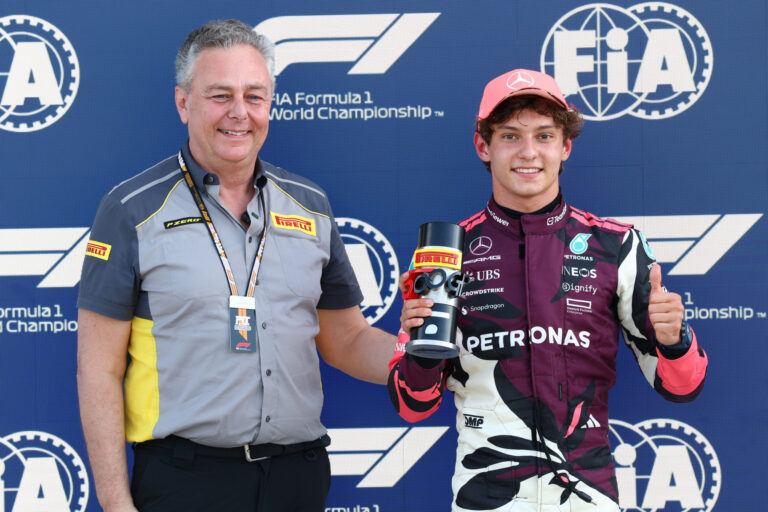
Kimi Antonelli becomes the youngest leader of the Formula 1 standings.
Executive producers James Gay‑Rees and Paul Martin say Season 9 will extend access. Expect a greater focus on decision trails, risk trade‑offs, and the cultural currents shaping race‑team behaviour.
Viewers will need patience for the release, but the season’s second half continues to supply context, with title permutations and upgrade paths still evolving as resources shift to 2027.
Recent flashpoints include Verstappen’s heavy Dutch GP crash and Lando Norris’s title defence under pressure. Increasing team orders reflect tighter margins, complicating post‑race narratives and intra‑team trust.
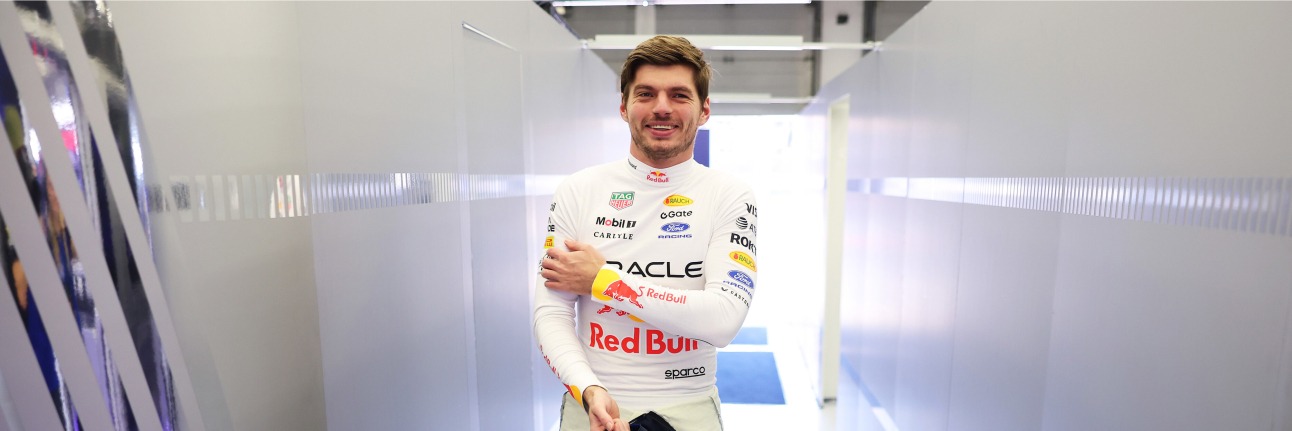
Verstappen’s programme is settled through 2027, stabilising the driver market.
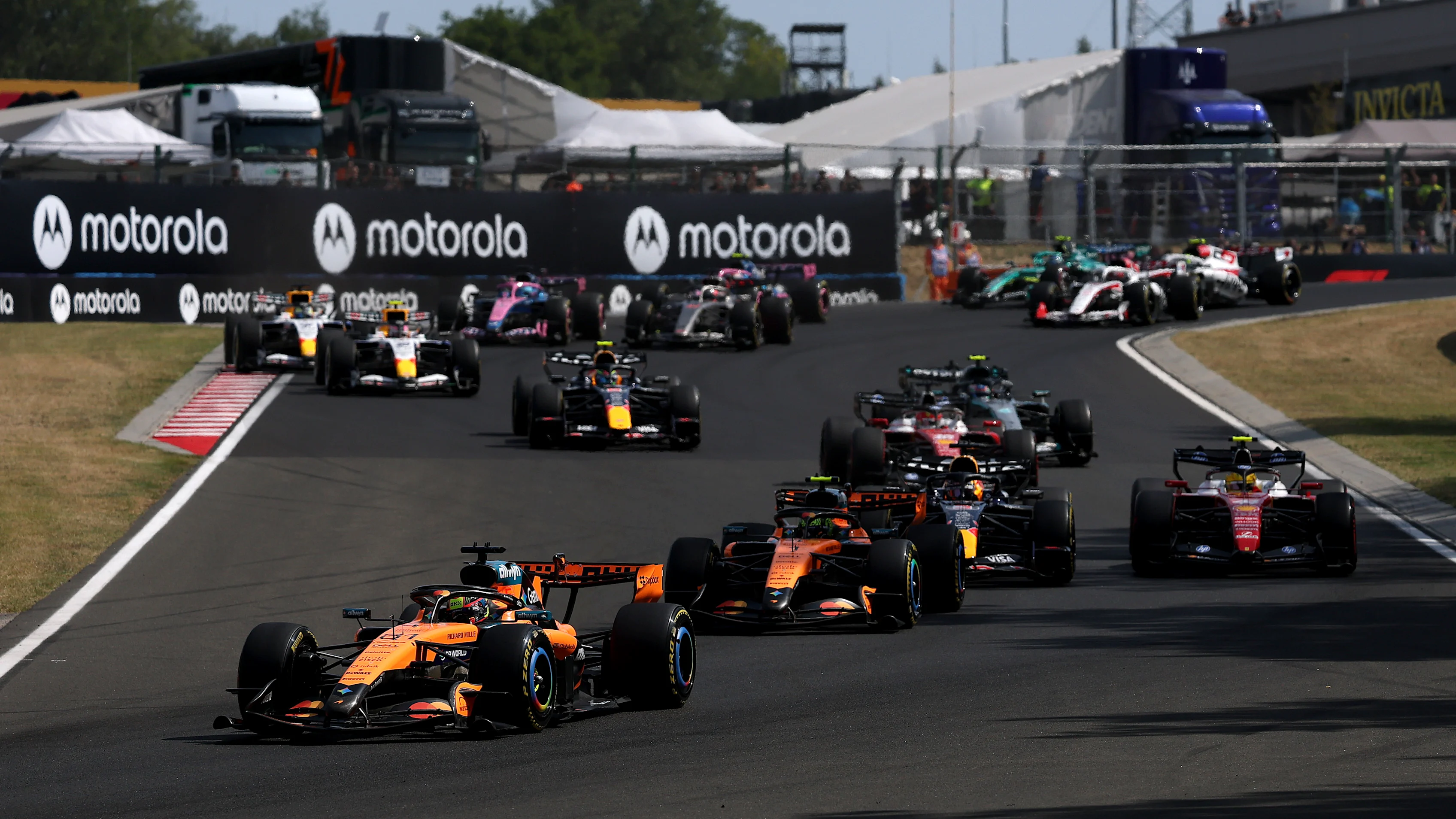
The calendar’s variety—Italy, Spain, Azerbaijan, Bahrain, Singapore, and the United States—demands power sensitivity, braking stability, and efficient drag levels, exposing strengths and weaknesses more sharply than recent seasons.
Structural moves could reshape competitiveness. Developments around the Aston Martin F1 team stake and a potential Honda Aston Martin upgrade speak to longer‑term performance outlooks beyond weekly results.
Drive to Survive remains a useful companion, contextualising performance swings, rivalries, and teamwork while connecting fans to the pressures and trade‑offs that define modern Formula 1.
Visual Summary

Daniel Miller reports on Formula 1 Grand Prix weekends with race-day analysis, team-radio highlights, and point-standings updates. He explains power-unit upgrades, aerodynamic developments, and driver rivalries in straightforward, SEO-friendly language for a global F1 audience.