

https://shop.fervogear.com/cart

Stella Reveals Why Piastri Can’t Rely on Pure Instinct Behind the Wheel

Highlights
- Andrea Stella cites tyre handling as key to Piastri’s performance.
- Piastri achieved two podiums, while Norris secured two wins and a Sprint.
- Piastri struggled with hard tyre grip, impacting his race pace.
- Slow pit stop and tyre issues affected Piastri’s Dutch Grand Prix result.
- Missing first two races delayed Piastri’s adaptation to 2026 car.
- Stella remains confident in Piastri’s development and future progress.
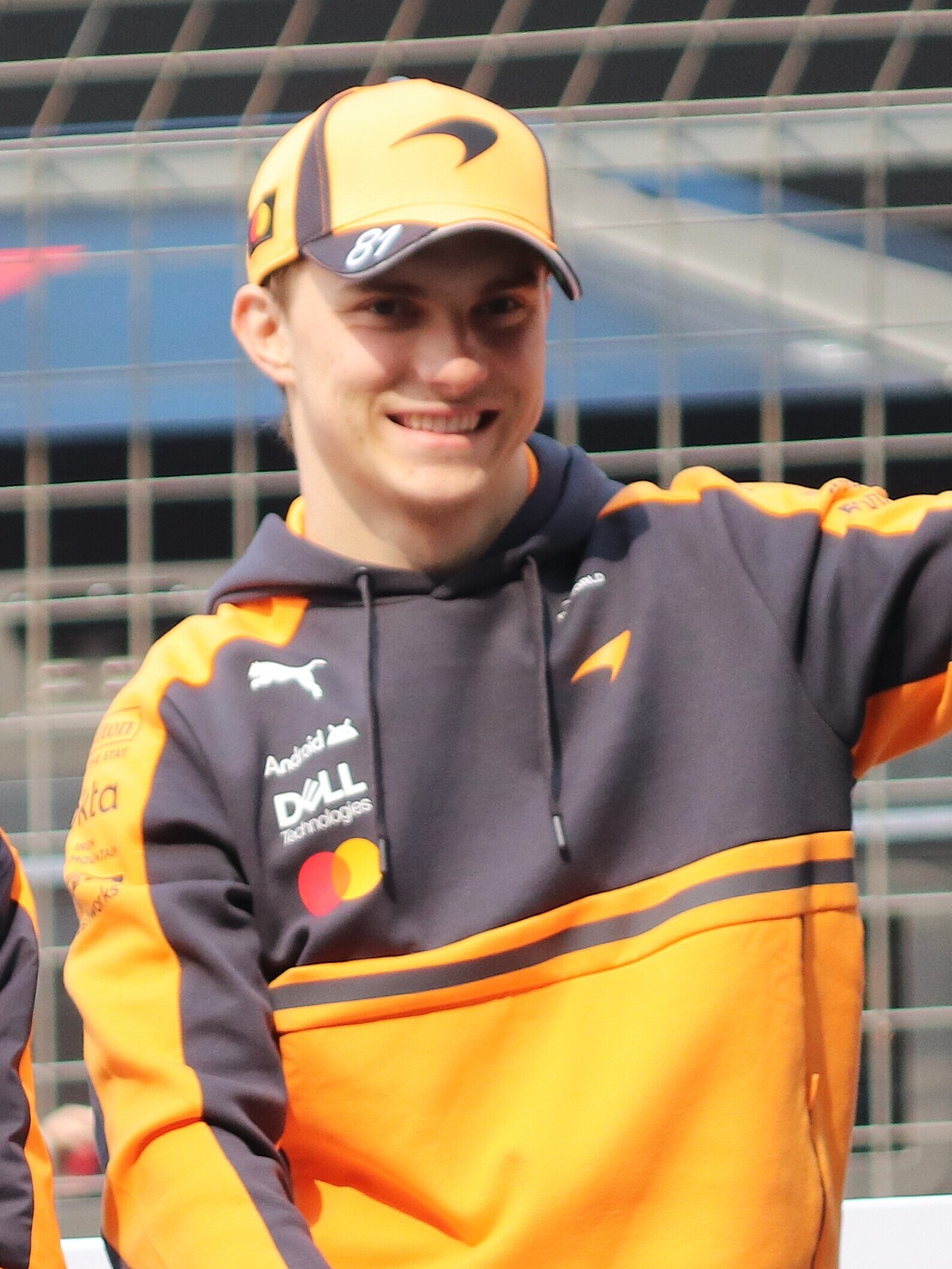
McLaren team principal Andrea Stella identifies tyre handling as the thread running through Oscar Piastri’s inconsistent 2026 race pace, with Zandvoort exposing the deficit under extended hard-tyre running.
While Lando Norris banked two wins and a Sprint, Piastri sits on two podiums. The divergence centres on managing the MCL40 when grip falls away, particularly on the hard compound.

At Zandvoort, Piastri passed George Russell and ran third on hards. The second hard stint unraveled, as Piastri’s Dutch GP spiral showed, and he finished sixth behind both Ferraris.
Stella frames the issue as technical, not psychological. Low-grip phases demand a different driving model, recalling Mexico and Austin, where Piastri needed deliberate inputs rather than instinctive car placement.
New-for-2026 characteristics changed car behaviour and tyres. Missing the first two races with DNS rulings curtailed correlation work, hindering adaptation, as covered in Oscar Piastri’s challenges.
Stella: tyre handling is the key differentiator in Piastri’s 2026 race pace.
Headline lap time is present. Sustaining it when the tyre operates near the edge remains fragile, and minor losses cascade once surface and carcass temperatures slip outside the optimal window.
Operational execution also hurt Zandvoort. A slow pit stop handed Russell track position, which Stella labelled a team error. The second hard set sat in a persistent low-grip regime.
Slow stop plus a stubborn second hard set blunted Piastri’s Dutch GP.
In a field compressed to tenths, such losses are brutal. Sixth rather than fourth reshapes strategy options, pit windows, and traffic exposure, particularly on a track with limited clean-air running.
The driving adaptation is specific. Entry speed, rotation timing, and throttle application must pivot to the available grip, with energy deployment trimmed to protect rear slip while maintaining straight-line efficiency.
Stella stresses the challenge is technical rather than psychological.
Positives remain. Piastri’s racecraft, evidenced by the Russell pass and early-stint pace, suggests the ceiling is intact and accessible with a broader operating window and cleaner execution.
Qualifying progress at Zandvoort also mattered, following a tighter fight for pole, as explored in Piastri’s Zandvoort pole fight. Front-row starts reduce the need to overextend tyre life.
McLaren believes the trend is upward. If Piastri synchronises style with the MCL40’s traits, recent gains could translate, echoing themes from July’s breakthrough report.
The immediate priority is repeatable tyre exploitation on hard compounds. Deliver that, avoid operational errors, and the raw pace should convert into consistent podiums alongside Norris as the season tightens.
Visual Summary
Oscar Piastri’s Uphill Race
From missed races to podium flashes,
Oscar battles harder tyres, team snags, and relentless pressure.
Oscar battles harder tyres, team snags, and relentless pressure.
2️⃣ Podiums
6th at Zandvoort
Mental Adaptation:
Hard
•
One-tenth covers the top teams.
Small struggles = Massive drop in results.
•
One-tenth covers the top teams.
Small struggles = Massive drop in results.
•
Oscar Piastri faces a technical mountain: Adapt or fall back. McLaren believes he’ll climb.
Podium/Success
Struggle/Setback
Highlighted Peak

Daniel Miller reports on Formula 1 Grand Prix weekends with race-day analysis, team-radio highlights, and point-standings updates. He explains power-unit upgrades, aerodynamic developments, and driver rivalries in straightforward, SEO-friendly language for a global F1 audience.