
https://shop.fervogear.com/cart

What Key Moves Remain in the F1 Driver Market?

Highlights
- Max Verstappen extends Red Bull contract through 2030
- Alpine renews Franco Colapinto alongside Pierre Gasly
- McLaren keeps Lando Norris and Oscar Piastri until 2030
- Ferrari confirms Charles Leclerc and Lewis Hamilton for 2027
- Teams prioritize stability amid upcoming 2027 technical changes
- Mid-tier driver contracts and reserves remain unresolved
Formula 1’s 2027 driver market settles as teams lock line-ups. Max Verstappen commits to Red Bull through 2030, while Ferrari retains Charles Leclerc and Lewis Hamilton for 2027.
Alpine extends Franco Colapinto alongside Pierre Gasly, reinforcing a broader shift toward continuity over upheaval.

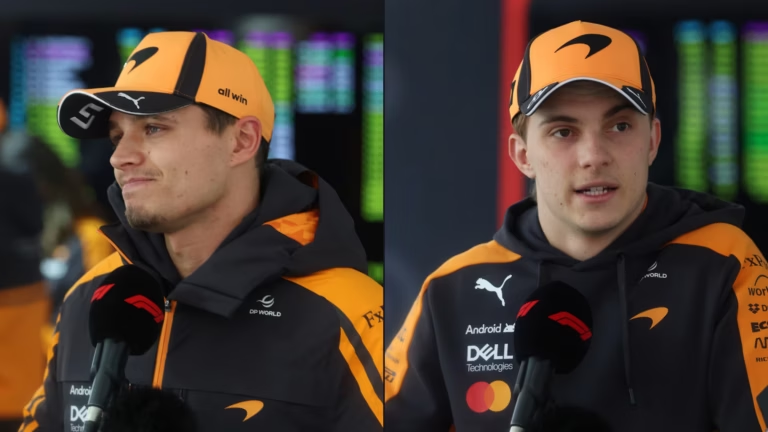
McLaren also doubles down, keeping Lando Norris and Oscar Piastri under contract until 2030 to preserve a successful technical and operational pairing.
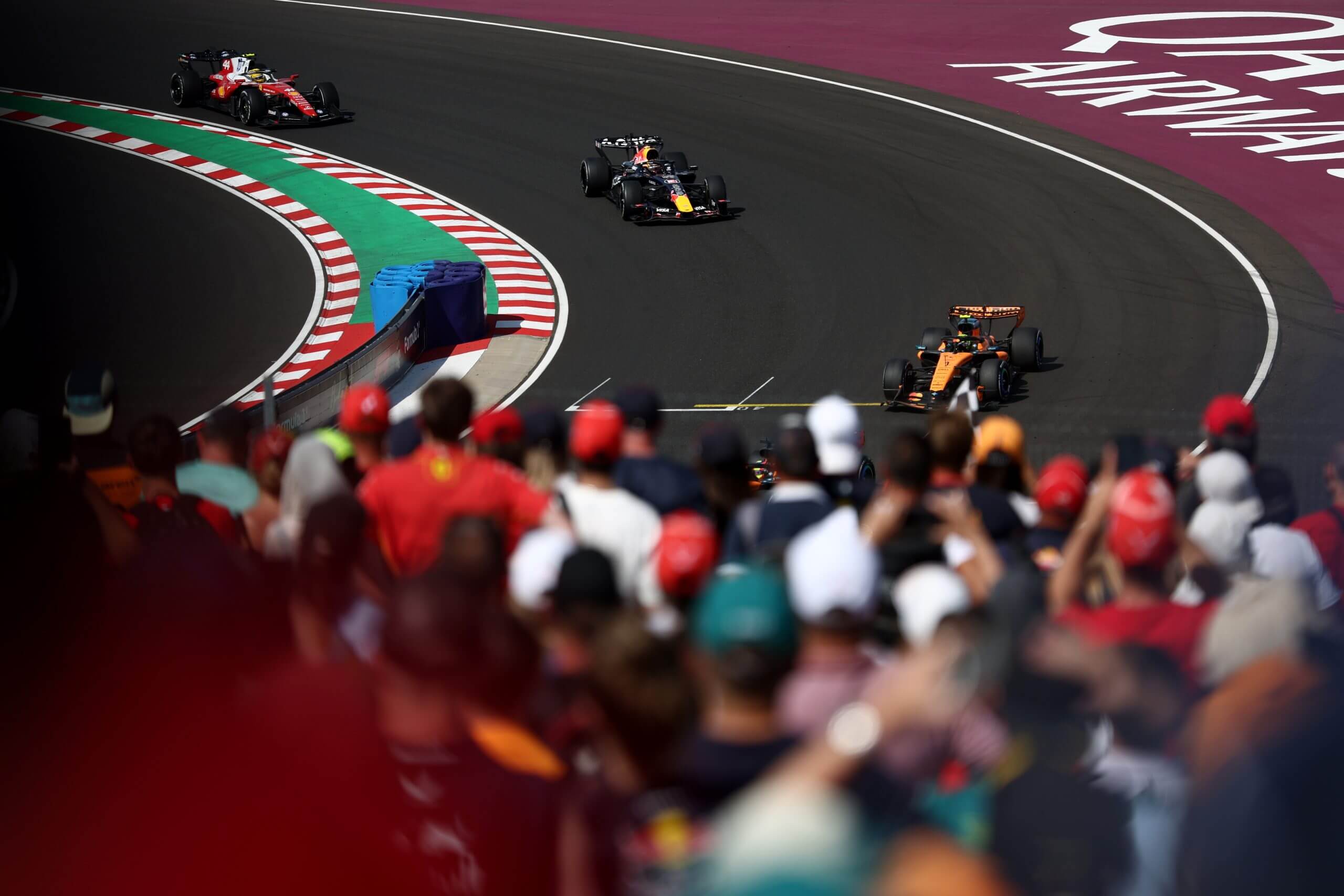
The theme is stability ahead of incoming technical changes slated for the late 2020s, as teams prioritize correlation, development momentum, and driver-engineer familiarity.
Multi-year commitments reduce churn but limit agility if results stall. That trade-off underpins unusually long deals highlighted in recent analysis of driver contract length across the grid.
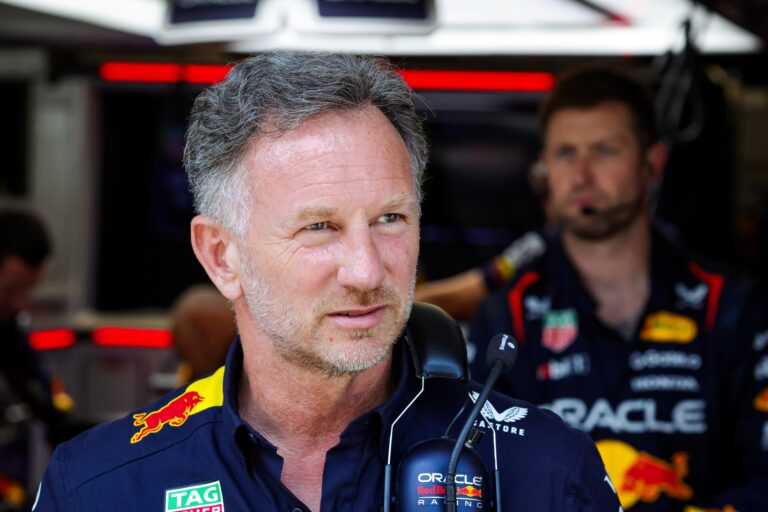
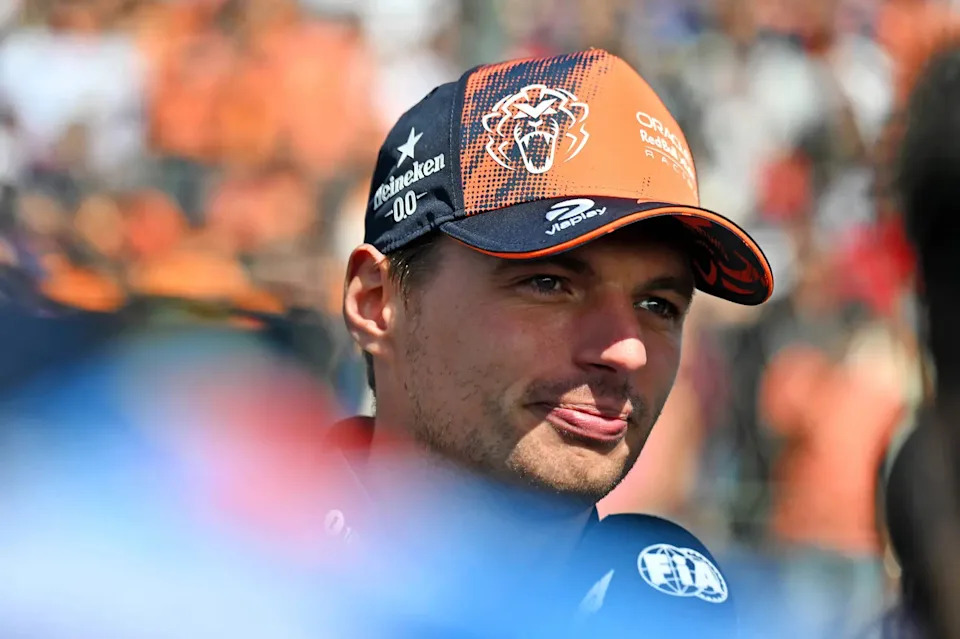
Max Verstappen’s commitment through 2030 ends immediate speculation over Red Bull’s lead seat.
For Red Bull, Verstappen’s extension preserves the team’s competitive centrepiece, protecting continuity through regulation transitions and retaining leverage in power unit and aero development planning.
McLaren’s early security around Norris and Piastri sustains a coherent feedback loop, vital for concept refinement and simulator correlation during rule evolution.
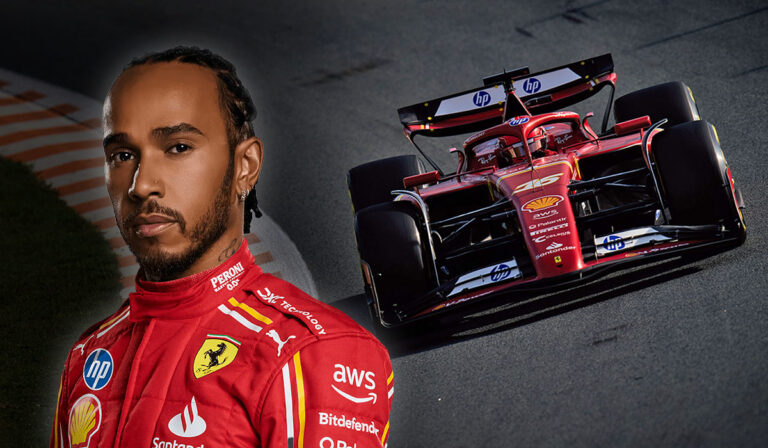
Ferrari’s confirmation of Leclerc and Hamilton signals confidence in current direction, pairing stability with a high ceiling once technical packages converge under the next framework.
Ferrari locks Leclerc and Hamilton for 2027, prioritizing continuity through the next regulation phase.
Alpine’s decision to keep Colapinto with Gasly suggests a medium-term bet on cohesion, aiming to convert flashes of pace into consistent points as volatility reduces.
Beyond headline names, negotiations continue for secondary seats and reserves, keeping the F1 driver market partially open through the autumn window.
Current projections indicate limited movement before 2027, as reflected in evolving 2027 F1 driver lineups, barring late exits or unexpected performance swings after the flyaway rounds.
Mid-tier seats and reserve roles remain fluid, leaving scope for late-cycle changes.
As seen in discussions around Carlos Sainz’s Williams deal, single decisions can reshape midfield priorities, from budget allocations to test mileage and reserve planning.
Sponsors and long-term commercial alignments also influence timing, often encouraging teams to de-risk cycles by avoiding unforced changes before a regulation pivot.
Expect a quieter market unless retirements or unexpected exits intervene. Teams prefer predictable baselines to validate upgrades and maintain strategic clarity into 2027.
Visual Summary
🏎️
🏎️
🏎️
🏎️
🏎️
🏎️
🏎️
🏎️
🔒
The 2027 F1 Lock-In Era
Top teams commit to proven stars through 2030 – driver market doors closing fast.
🔒
2027
2024: Norris, Verstappen renew
2030:⏸️
2030:⏸️
Verstappen
Red Bull
to 2030
🔒
Red Bull
to 2030
🔒
Norris
McLaren
to 2030
🔒
McLaren
to 2030
🔒
Leclerc
Ferrari
to 2027
🔒
Ferrari
to 2027
🔒
Hamilton
Ferrari
to 2027
🔒
Ferrari
to 2027
🔒
Colapinto
Alpine
to 2027
🔒
Alpine
to 2027
🔒
Gasly
Alpine
to 2027
🔒
Alpine
to 2027
🔒
A handful of seats still flicker…
🏎️
🏎️
Most major F1 seats are now LOCKED – Experience and trust trump radical shakeups.
The future: stability, but surprises still possible.
The future: stability, but surprises still possible.
🔒 The driver market is shutting its doors.

Daniel Miller reports on Formula 1 Grand Prix weekends with race-day analysis, team-radio highlights, and point-standings updates. He explains power-unit upgrades, aerodynamic developments, and driver rivalries in straightforward, SEO-friendly language for a global F1 audience.