
https://shop.fervogear.com/cart

Helmut Marko Reveals Key Reason Behind Max Verstappen’s Contract Extension

Highlights
- Max Verstappen extends Red Bull contract until 2030.
- Extension announced before Dutch Grand Prix in Zandvoort.
- Verstappen’s deal ensures team stability amid F1 engine changes.
- Previous exit clauses allowed Verstappen to leave by 2028.
- McLaren and Mercedes held informal talks with Verstappen.
- Contract aligns with potential 2030 switch to V8 sustainable engines.
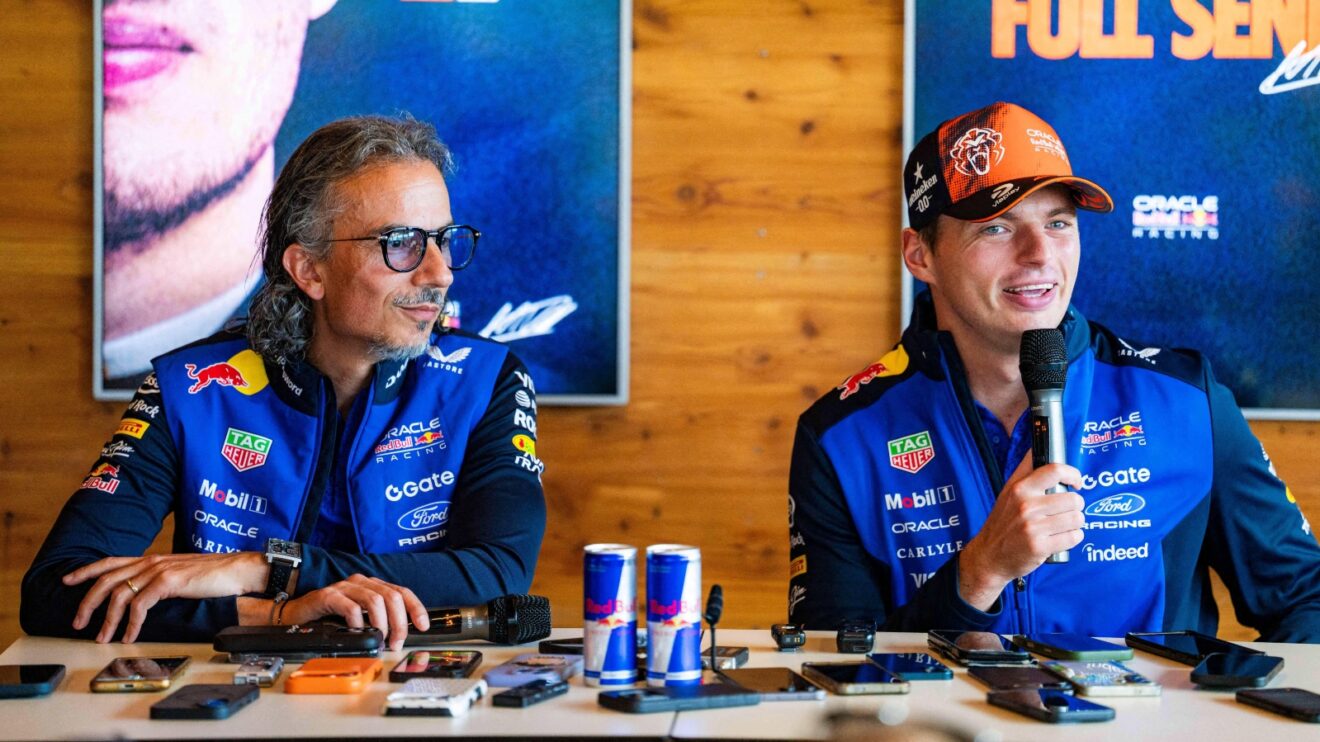
Helmut Marko says Max Verstappen’s new Red Bull deal to 2030 ends months of uncertainty and lands just before the Dutch Grand Prix at Zandvoort.
The extension confirms the 28-year-old will continue with the Milton Keynes squad, setting up a 15th season and preserving Red Bull’s established driver-project continuity.

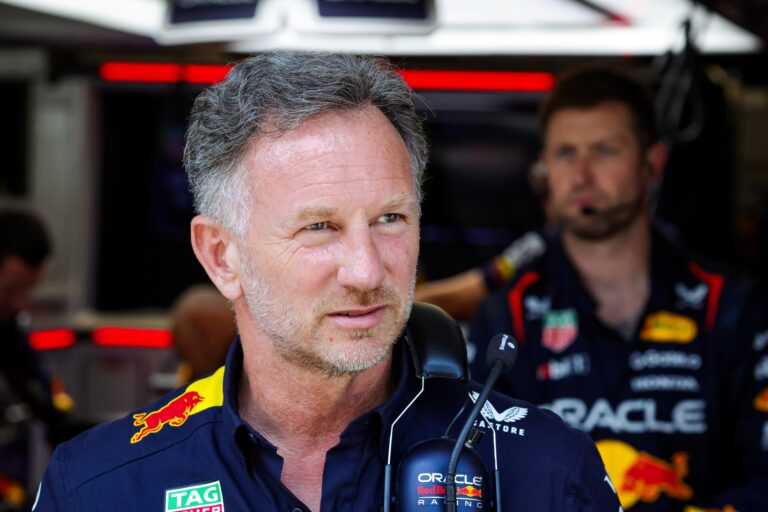
Marko argues the timing signals stability to staff and partners, adding that performance, not emotion, ultimately dictates decisions inside a title-chasing Formula 1 organisation.
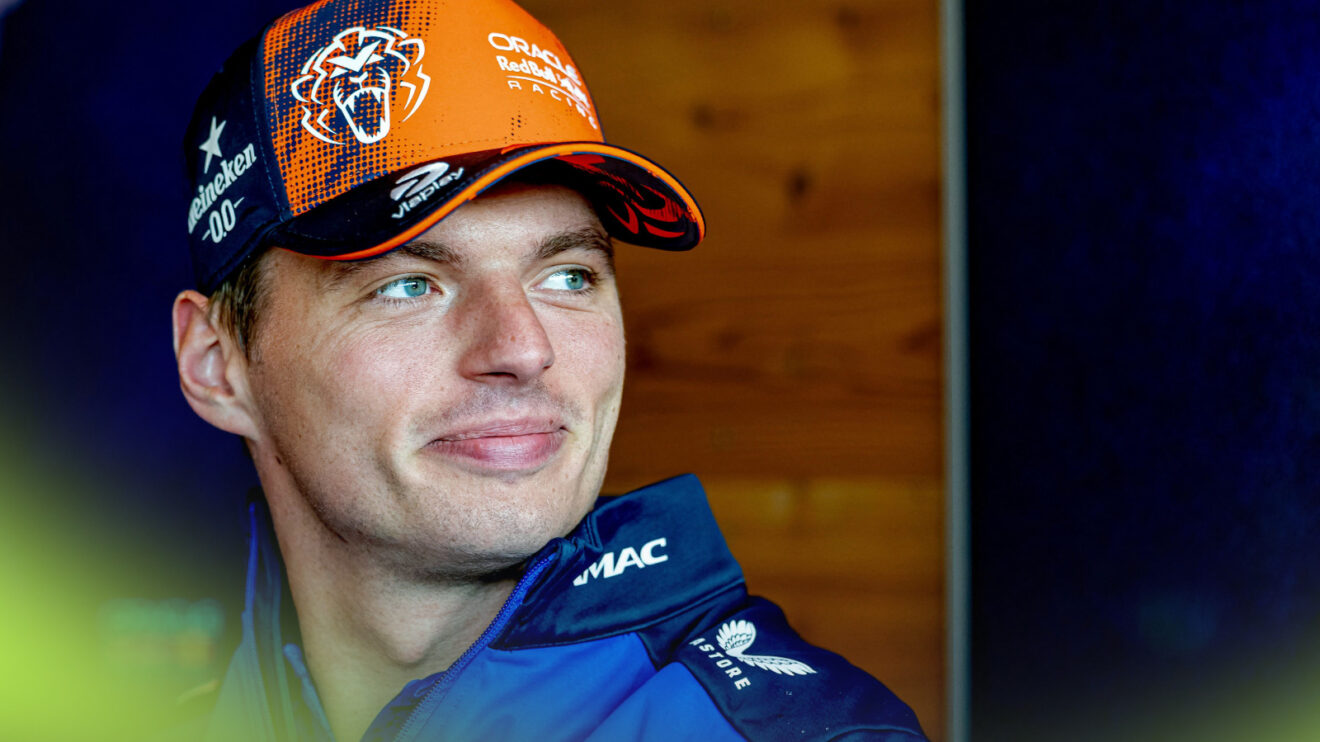
He stresses results remain the only currency, with Verstappen outlining clear conditions that persuaded him to stay as the team prepares for another regulatory transition.
Debate over Verstappen’s future dominated late 2025 and early 2026, fuelled by performance-related exit clauses that could have enabled a departure by the end of 2028.
Rival interest inevitably surfaced. Informal talks with McLaren were acknowledged by both camps, while Toto Wolff confirmed private Mercedes discussions as part of wider bench-marking.
Verstappen’s 2030 commitment arrives on home soil week, closing a persistent paddock storyline.
Despite suitors, Verstappen repeatedly suggested retirement would tempt him more than switching teams, reflecting frustration with certain aspects of modern Formula 1.
Marko frames the decision as transformational for Red Bull’s technical planning. He calls Verstappen the team’s figurehead and a magnet for elite engineering talent.
Contract length is the strategic headline. A 2030 horizon dovetails with the closing stages of the current V6 turbo-hybrid era and looming rules reset.
The deal aligns with F1’s expected pivot to fully sustainable fuels and a new power unit architecture early next decade.
The FIA targets 2.4‑litre V8s running on sustainable fuel from 2031, with a 2030 introduction possible if manufacturers coalesce around the framework.
That timing ambiguity matters. A long-term driver anchor helps Red Bull steer development direction and recruitment through an uncertain engine and chassis regulation cadence.
It also calms internal noise. A definitive commitment reduces distraction for Red Bull’s technical leadership as project priorities sharpen across 2027‑2030 development cycles.
Negotiation dynamics between driver and advisor proved decisive, with additional detail emerging from insights into negotiations previously outlined around performance safeguards and governance assurances.
Marko calls Verstappen “the face of the whole team,” citing the driver’s pull in attracting top engineers.
In a market trending toward security, Red Bull’s approach mirrors longer horizons seen in other elite programmes, as examined in drivers’ contract length analysis.
The broader picture also reflects sustained interest elsewhere, including informal talks with McLaren, which ultimately reinforced Red Bull’s urgency to lock in its competitive centrepiece.
For Verstappen, the outcome prioritises competitiveness over sentiment. For Red Bull, it preserves a proven performance core while the sport’s next regulatory chapter comes into focus.
Visual Summary
🏁
2016-2024
Max Era
Max Era
✍️
2030
STAYING PUT
STAYING PUT
15 YEARS WITH RED BULL
🏆
Regulation Change
New Era Awaits
New Era Awaits
MAX = STABILITY
Helmut Marko: “Max is the face of Red Bull – full commitment sends a message to the entire F1 paddock.
Performance always comes first.”
Performance always comes first.”
Rumors End. The Future Is Written.
🗣️
Calm
Verstappen’s Red Bull future is secured. 2030 is now the target, performance the only currency.
F1’s next era will meet the champion head-on.
F1’s next era will meet the champion head-on.

Daniel Miller reports on Formula 1 Grand Prix weekends with race-day analysis, team-radio highlights, and point-standings updates. He explains power-unit upgrades, aerodynamic developments, and driver rivalries in straightforward, SEO-friendly language for a global F1 audience.