
https://shop.fervogear.com/cart

McLaren Reveals Real Proof Behind Strange F1 Car Feature

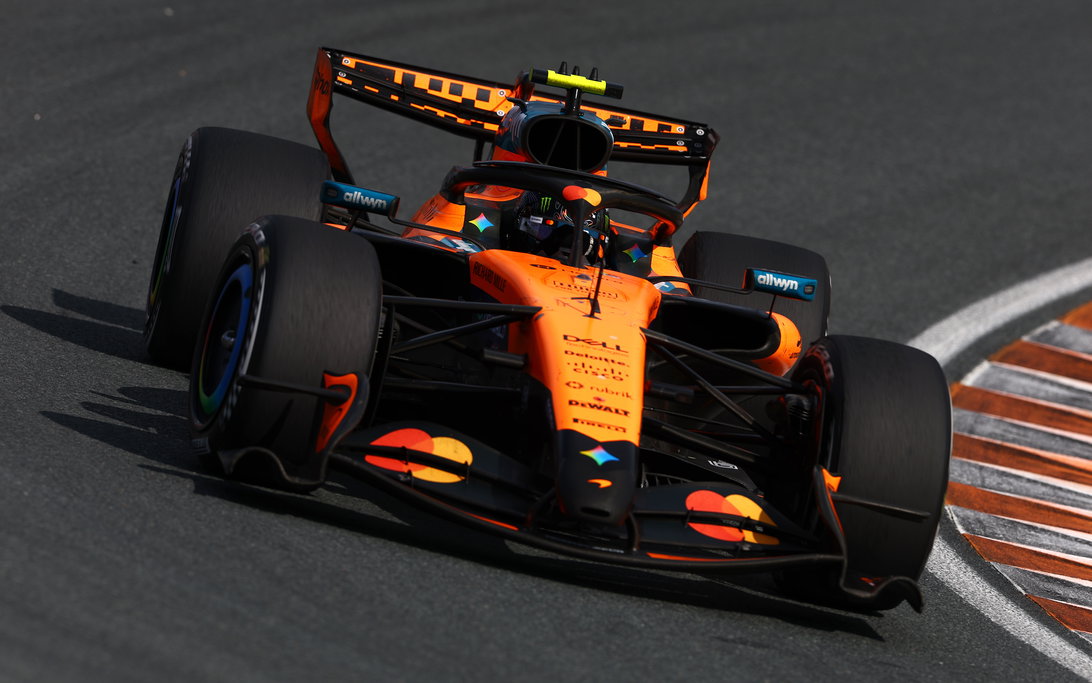
Highlights
- McLaren struggles with slow-speed cornering on MCL40 car.
- Lando Norris secured pole and wins at Hungary and Netherlands.
- Hungaroring has more medium-speed corners than commonly believed.
- Zandvoort’s slow corners worsen McLaren’s race performance issues.
- Qualifying conditions reduce slow-speed corner deficit impact.
- Technical setups favor McLaren at Hungary, not at Zandvoort.
Andrea Stella explains McLaren’s puzzling low-speed weakness on the MCL40, and why it appears muted during wins in Hungary and the Netherlands.
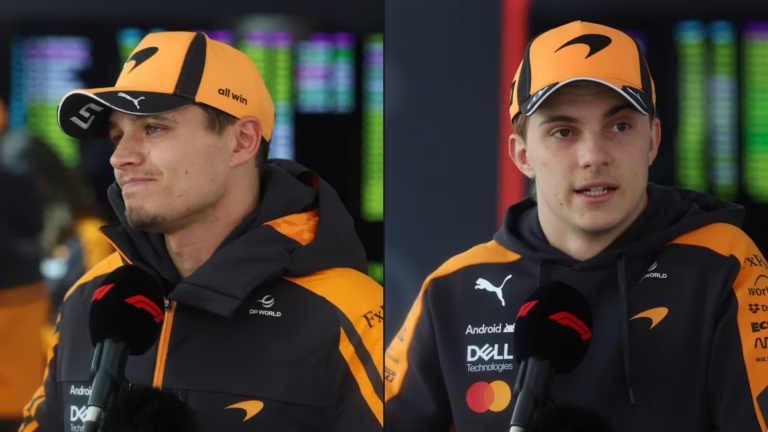
Lando Norris converts pole positions at the Hungaroring and Zandvoort, yet concedes slow-speed rotation trails Mercedes pair Kimi Antonelli and George Russell.

McLaren’s strength remains high and medium-speed corners, a trait carried over from recent cars, as Norris noted in his McLaren verdict earlier this week.
Stella argues popular circuit labels can mislead. In practice, the Hungaroring behaves more like a medium-speed venue.
Turn two is typically above 120kph, and most other corners exceed 100kph, easing the MCL40’s exposure to its slow-speed limitations.
Stella: Hungaroring runs largely at medium speeds despite its low-speed reputation.
Zandvoort is different. Genuine slow-speed sections dominate, with longer braking and traction phases that accentuate McLaren’s weaknesses.
Those traits bite hardest in races, when heavy fuel and tyre wear extend the time spent in these corners.
Qualifying masks the deficit; race stints amplify it with fuel load and degradation.
In qualifying, low fuel and fresh tyres shorten corner duration, softening the deficit and enabling headline single-lap performance.
Setup latitude also shapes outcomes. Stella hints Hungary allows configurations that better exploit medium-speed strengths, without divulging specifics.
Recent Monza upgrades appear consistent with that focus, but such options prove less effective around Zandvoort’s prevalent slow-speed corners.
The development brief is unchanged: improve rotation and traction at low speeds while protecting high-speed load. Ongoing McLaren F1 upgrades target that balance.
Setup flexibility at Hungary helped McLaren; Zandvoort exposed the car’s limitations.
Norris’s feedback remains central, alongside teammate Oscar Piastri, as McLaren chases consistent race pace on layouts that stress slow-speed performance.
Sustained gains are needed to confront Mercedes across the calendar, even after victories that showcased the MCL40’s high and medium-speed strengths.
Visual Summary
McLaren’s MCL40:
Lightning in Fast Corners
— Lightning Rod in the Slow
Pole and Victories:
Norris shines in Hungary & Zandvoort thanks to high-speed corner mastery,
but low-speed struggle:
MCL40 loses time under 100 kph
Norris shines in Hungary & Zandvoort thanks to high-speed corner mastery,
but low-speed struggle:
MCL40 loses time under 100 kph
Hungarian GP
Medium-speed
“Low-speed” myth
Dutch GP
Low-speed
Reveals weakness
🔧 Setup tricks at Hungary masked flaws
Stella & Norris: Improvements coming—will it be enough to chase Mercedes?

Daniel Miller reports on Formula 1 Grand Prix weekends with race-day analysis, team-radio highlights, and point-standings updates. He explains power-unit upgrades, aerodynamic developments, and driver rivalries in straightforward, SEO-friendly language for a global F1 audience.