
https://shop.fervogear.com/cart

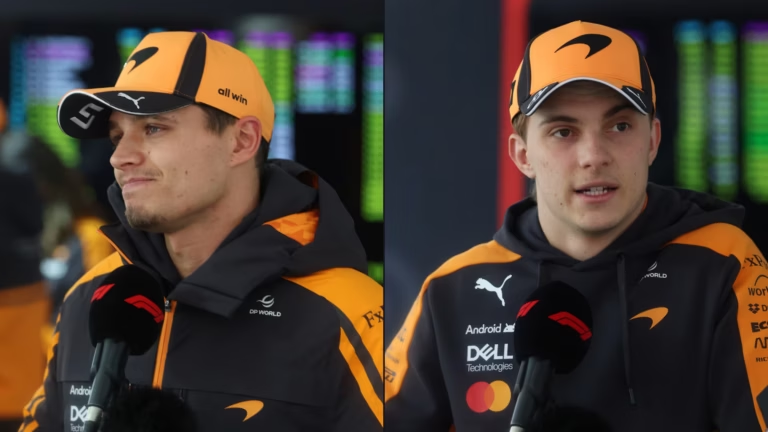
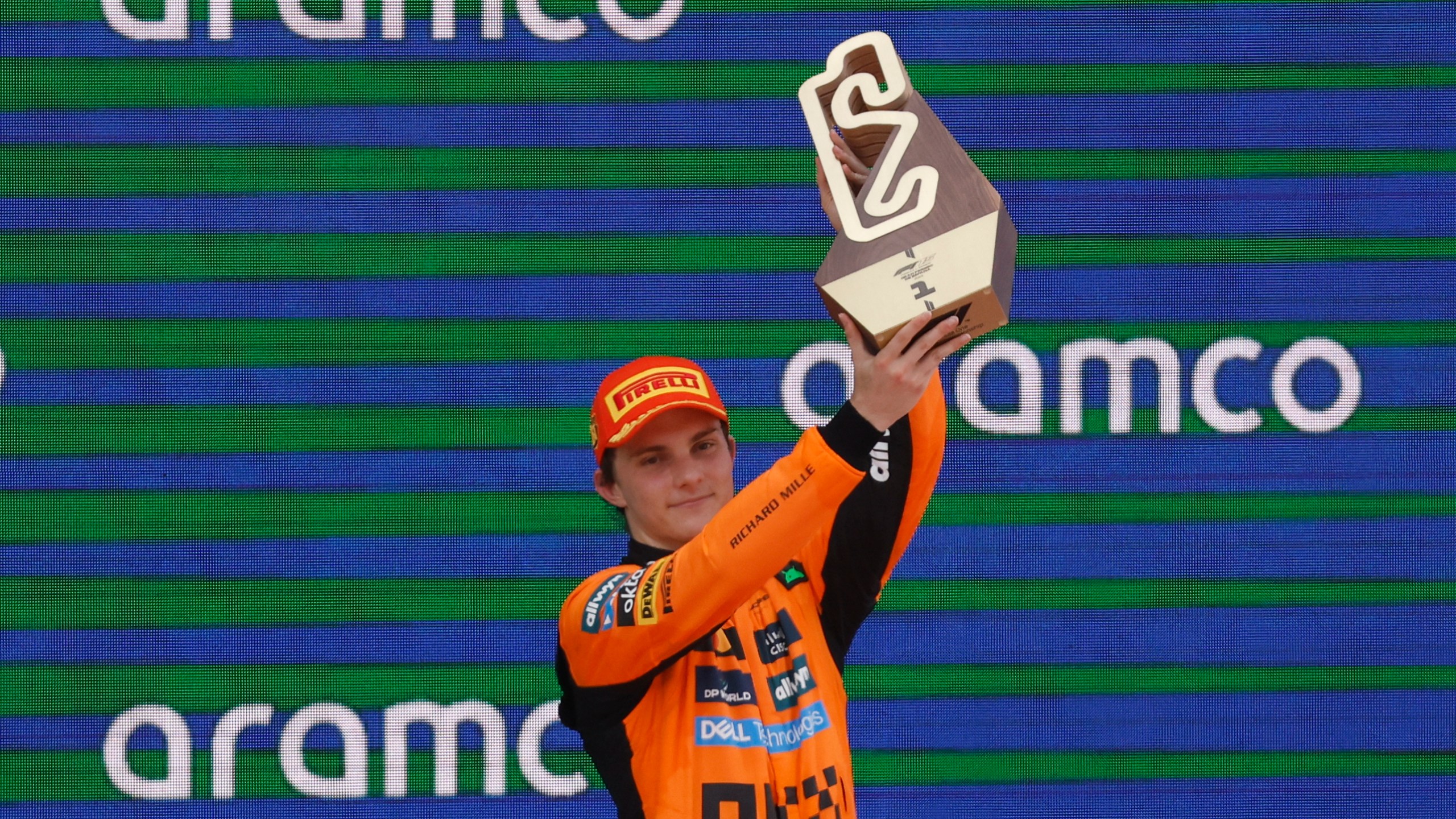
Oscar Piastri Gears Up for Tough McLaren Challenge Ahead

Highlights
- Oscar Piastri faces challenging weekend at fast Monza circuit.
- Lando Norris secured pole and wins at Hungary and Netherlands.
- Monza’s high speed tests McLaren’s high-drag MCL40 chassis.
- Piastri struggles with car’s rear affecting pace and rhythm.
- Italian GP crucial to McLaren’s title challenge and development.
Oscar Piastri braces for a searching Italian Grand Prix at Monza this weekend, as McLaren’s high-speed performance becomes a live audit of the MCL40 and its title prospects.
Lando Norris has taken pole and victories in Hungary and Zandvoort since the break, underscoring McLaren’s strength on technical layouts that favour downforce and rotation over outright straight-line speed.

Monza is the first major test of McLaren’s title credentials with its higher-drag MCL40.
Monza’s low-drag demand exposes the MCL40’s known efficiency shortfall. With 2025 records reset here, this is the clearest check on whether recent gains translate to F1’s fastest venue.
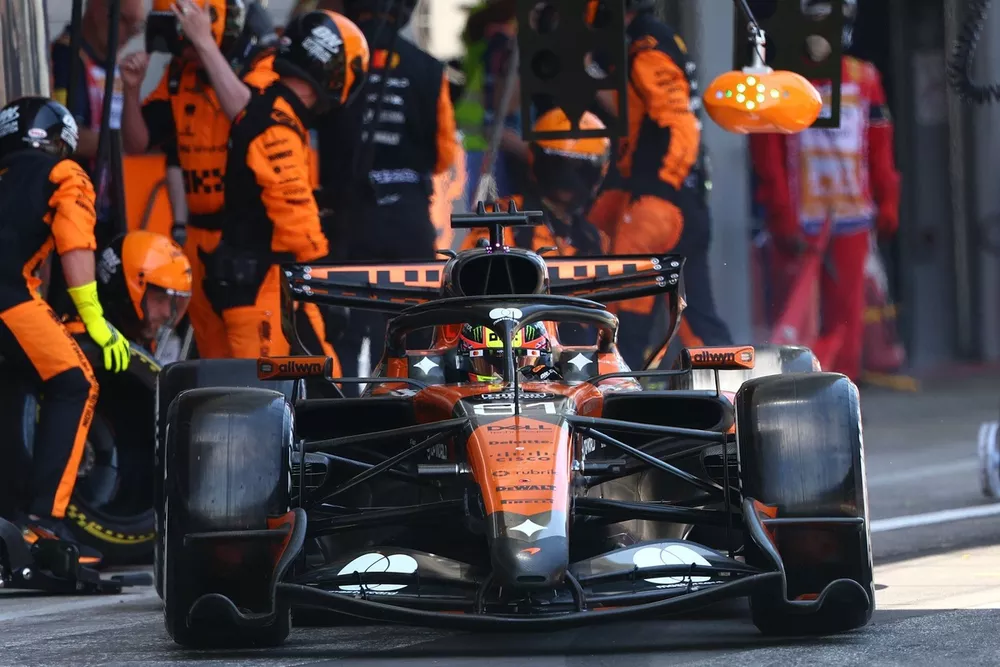
The package must combine trimmed rear wing levels with stability on Monza’s heavy braking zones, plus traction through the Lesmos and Ascari. DRS potency and deployment efficiency will be decisive.
Piastri stresses the contrast to recent venues. He notes Hungary and Zandvoort have short straights and long corners, but calls Monza “a completely different beast.”
He remains cautious about carry-over pace, acknowledging the need to validate correlation in this configuration. That follows McLaren’s recent Dutch GP upgrades at Zandvoort.
The Australian concedes persistent rear-end fragility that disrupts rhythm and single-lap execution.
“The rear of the car is very tricky to drive, and even in qualifying, it’s been tough,” he says, reflecting recent struggles.
“The rear of the car is very tricky to drive,” says Piastri.
Some weekends have aligned, yet too often the pace sits below the benchmark. That points to an aero-mechanical balance window that narrows when rear stability and tyre management are marginal.
Lando Norris has taken pole and victories at Hungary and Zandvoort since the summer break.
For McLaren, Monza is a critical data point for development direction and CFD/tunnel correlation. Efficiency gains must arrive without sacrificing braking stability, a typical weakness at low-downforce settings.
Race execution adds complexity. Straight-line speed dictates defensive options in DRS trains, while strategy hinges on tyre temperatures, brake wear, and safety-car variance typical of chicane-heavy races.
Piastri has emphasised staying adaptable and trusting feel in low-grip trim, echoing his comments on instinctive driving. Sustained belief also matters, as he outlined in McLaren’s hopes for the campaign.
If McLaren contains the drag deficit and keeps the rear calm, its post-break momentum endures. If not, the upgrade path must accelerate ahead of other low-drag challenges later in the year.
Visual Summary
MONZA: McLaren’s Real Test
Oscar Piastri faces the ultimate speed challenge at F1’s fastest track.
After success on twisty circuits, can his McLaren survive the Monza speed trap?
Oscar Piastri faces the ultimate speed challenge at F1’s fastest track.
After success on twisty circuits, can his McLaren survive the Monza speed trap?
360+ km/h
Monza top speeds
Monza top speeds
🪁 High Drag
McLaren’s weak spot
❓ Unknowns
Will upgrades work?
😵💫 “Rear of the car is very tricky to drive” – Piastri
McLaren must adapt — or risk spinning out of contention.

Daniel Miller reports on Formula 1 Grand Prix weekends with race-day analysis, team-radio highlights, and point-standings updates. He explains power-unit upgrades, aerodynamic developments, and driver rivalries in straightforward, SEO-friendly language for a global F1 audience.