

https://shop.fervogear.com/cart

Meet the F1 Rookies Racing in Italian GP FP1 Today

Highlights
- 2026 rules require rookies in FP1 on four occasions annually.
- Red Bull fields Ayumu Iwasa replacing Max Verstappen in FP1.
- Williams runs Luke Browning in FP1, replacing Alex Albon.
- Alpine’s Paul Aron replaces Pierre Gasly for FP1 session.
- Colton Herta drives Cadillac car, substituting for Sergio Perez.
- FP1 rookies gain valuable track experience under race-like conditions.
Monza’s Italian Grand Prix weekend opens with multiple rookies in FP1, as teams satisfy 2026 participation rules. The programme complements the event’s context in the Italian Grand Prix build-up.
Regulations define rookies as drivers with no more than two Grand Prix starts. Several teams use Monza to allocate mandatory outings while managing set-up work for qualifying and race preparation.

2026 rules require four rookie FP1 outings per team across the season.
Red Bull installs Ayumu Iwasa in the RB22, standing in for Max Verstappen. His seven FP1s across 2024 underline a clear pathway, with details on Verstappen’s FP1 replacement shaping expectations.
Williams hands the FW48 to Luke Browning, replacing Alex Albon. Six earlier FP1 appearances provide useful reference points as the team evaluates execution under low-drag Monza configurations.
Alpine runs Paul Aron in the A526 in place of Pierre Gasly. Eight FP1s across 2025, split between Audi and Alpine, give Aron depth in procedures, correlation, and traffic management.
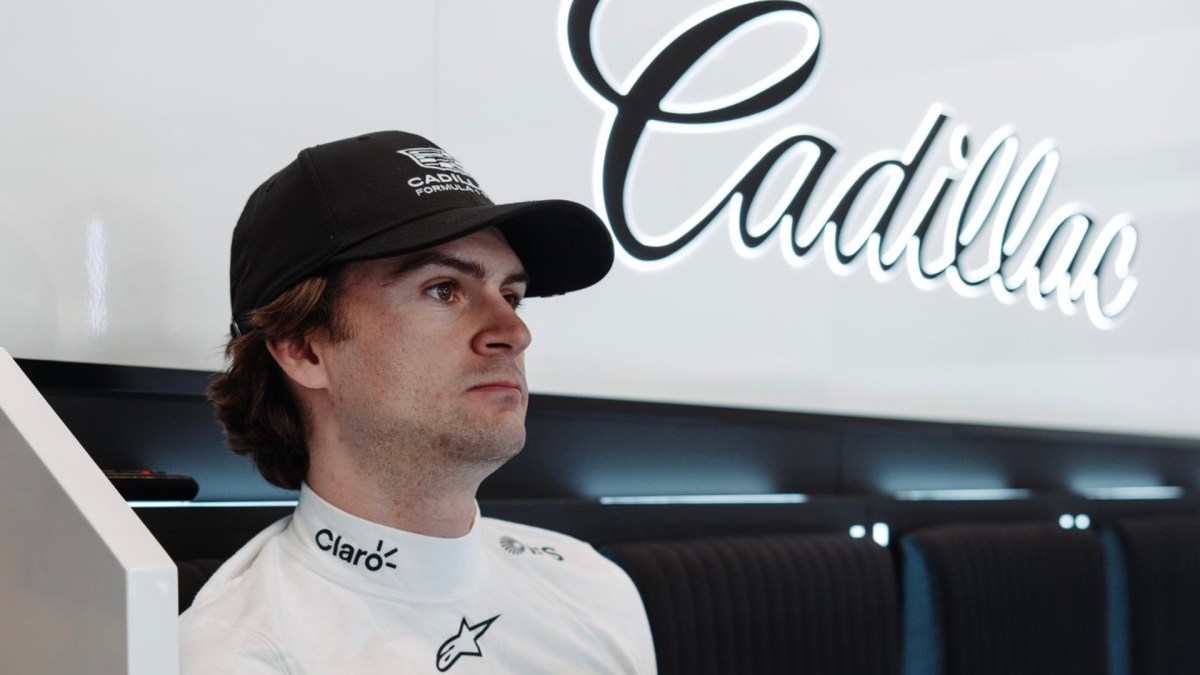
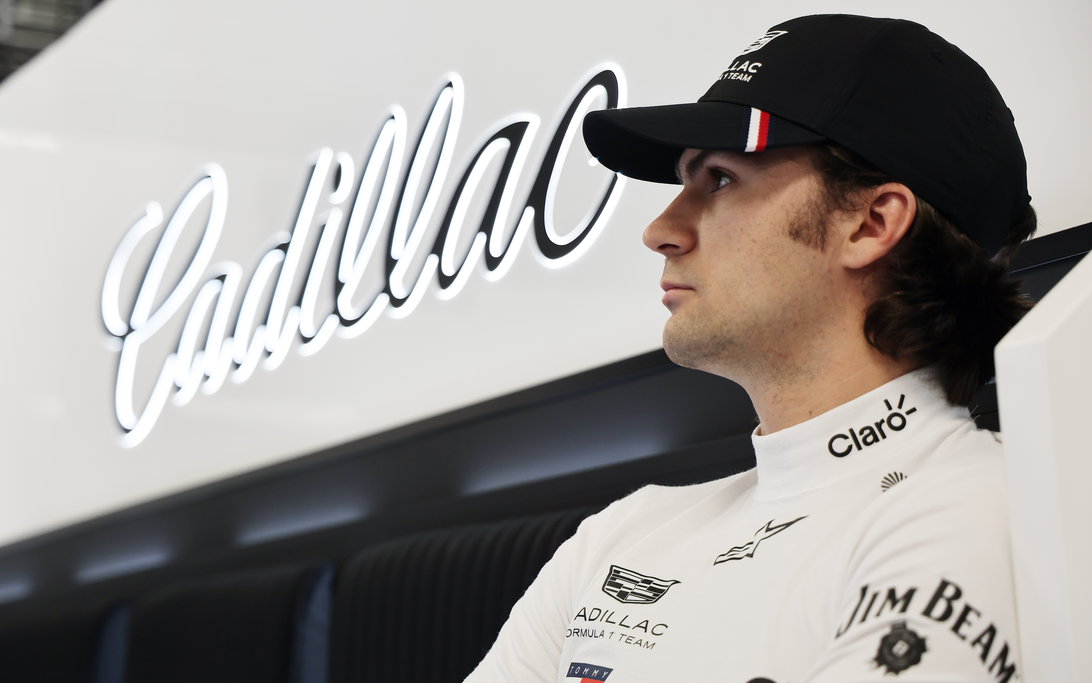
Colton Herta’s outing for Cadillac, stepping in for Sergio Perez, is his third FP1 of 2026. The American debuted in Barcelona and continues adapting tyre, brake, and deployment demands.
Ayumu Iwasa, Luke Browning, Paul Aron, and Colton Herta headline Monza’s FP1 rookie roster.
The four-rookie FP1 mandate forces careful allocation. Teams trade headline mileage for long-term gains, validating simulator work while keeping race drivers’ programmes intact at a track that punishes mistakes.
Monza’s extremes magnify learning. Long straights stress deployment and drag; heavy braking demands stability. Rookies focus on tyre preparation, traffic gaps, and chicane compliance without compromising baseline correlation.
Operationally, ceding FP1 laps compresses race drivers’ practice windows. Strategy thinking also adapts amid a developing heat warning, increasing emphasis on cooling, tyre life, and brake management.
Heat management and reduced race-driver mileage complicate FP1 planning at high-speed Monza.
Teams harvest comparative data on steering feel, balance evolution, and deployment efficiency. Monitoring adaptability and feedback quality informs medium-term plans, echoing recent benchmarks when Antonelli dominates FP1 sharpened rookie expectations.
As running continues, Monza offers an ideal yardstick. The rookies’ mileage today could influence future opportunities, while squads pursue incremental gains before qualifying and the race.
Visual Summary
Iwasa
Browning
Aron
Herta 🇺🇸
🎉 🏁 🗣️ 👏 🏎️ 🔥
Iwasa
Red Bull
7 FP1s
Browning
Williams
6 FP1s
Aron
Alpine
8 FP1s
Herta 🇺🇸
Cadillac
3 FP1s
Monza’s Future Stars: Four rookie drivers take the famous track for FP1 🏎️ — all with something to prove.
Rookies get their rare chance to shine under intense heat, with fans worldwide watching their progress and every team searching for the next breakthrough.
⚠️ Heat warning: Temperatures soar in Monza, adding extra pressure for all.
Daniel Miller reports on Formula 1 Grand Prix weekends with race-day analysis, team-radio highlights, and point-standings updates. He explains power-unit upgrades, aerodynamic developments, and driver rivalries in straightforward, SEO-friendly language for a global F1 audience.