

https://shop.fervogear.com/cart

FIA Issues Urgent Heat Warning for Italian GP Amid Extreme Temperature Spike

Highlights
- FIA issued heat warning ahead of 2026 Italian Grand Prix at Monza
- Forecast predicts temperatures exceeding 31 degrees Celsius this weekend
- Heat Hazard system activated to protect drivers from heat-related risks
- Cooling gear and shaded areas available on starting grid
- Medical teams to perform mandatory health checks after each session
- Drivers face challenges balancing safety and performance in extreme heat
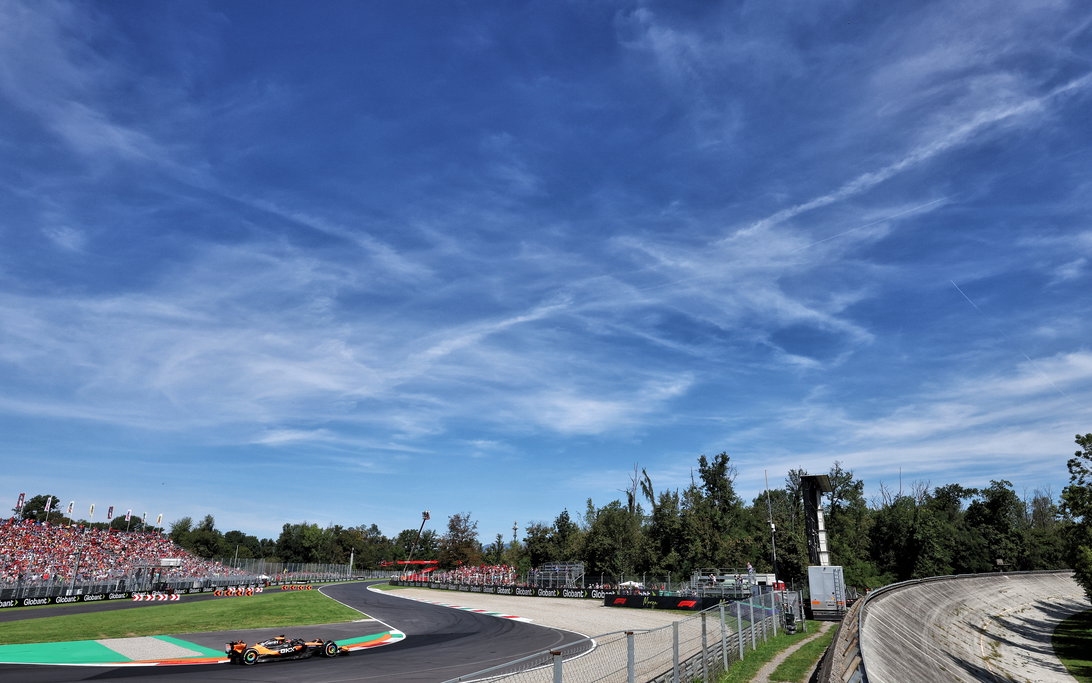
The FIA issues a heat warning for this weekend’s Italian Grand Prix at Monza, with forecasts above 31C. The governing body activates its heat-stress protocol to safeguard drivers and teams.
Forecasts sit well above Monza’s early‑September norm of 25–27C, amplifying cockpit temperatures and strain on personnel and equipment.

The Heat Hazard system, created after the gruelling 2023 Qatar Grand Prix, formalises procedures for extreme conditions and gives race control clearer levers to manage heat exposure.
At Monza, enhanced cooling appears on the grid, including fans, ice vests, and shade. Teams may fit FIA‑approved driver cooling vests circulating chilled fluid beneath race suits.
Use of the cooling hardware remains optional, but electing against it carries a weight ballast to neutralise any performance advantage, preserving competitive equity under the Technical Regulations.
Medical teams conduct mandatory post-session health checks, with dedicated cooling zones positioned for rapid recovery. The protocol targets heat exhaustion risks without unduly delaying turnaround between sessions.
FIA activates Heat Hazard system at Monza after forecasts exceed 31C.
Qatar 2023 provided the catalyst. Esteban Ocon vomited mid‑race, Logan Sargeant retired unwell, and Lance Stroll plus Alexander Albon needed treatment. Several drivers reported near blackouts at speed.
Monza’s long full‑throttle sections and heavy braking load expose drivers to sustained cockpit temperatures and dehydration. Managing body temperature without compromising pace becomes a strategic variable.
Teams face trade‑offs between cooling hardware, weight, aero efficiency, and tyre life. Expect attention on tyre behaviour across stints as track temperatures rise.
Power‑unit performance also depends on ambient heat and cooling capacity, influencing deployment and lift‑and‑coast demands, outlined in our Italian Grand Prix engines briefing.
Drivers declining FIA cooling vests must carry ballast to preserve competitive fairness.
As the 13th round of 2026, Monza draws intense scrutiny. How the new heat measures shape run plans and race pace features in our event preview for context.
Race operations prioritise safety windows without sacrificing competitive integrity. Expect teams to optimise out-laps, visor tear‑off use, and hydration strategies around the enforced medical monitoring.
Fans and teams will gauge how heat alters stint length, DRS trains, and brake wear. The latest Monza updates track adjustments as conditions evolve.
Mandatory post-session medical checks apply to all drivers throughout the weekend.
More frequent heat events reflect a warming climate and rising demands on drivers. The FIA’s stance underscores duty of care while preserving the spectacle through transparent, consistent application of rules.
Visual Summary
🏎️
💧
💧
31°C+
⚠️
FIA issues Heat Warning for Monza
Scorching temps set to exceed 31°C during the Italian Grand Prix.
Heat-Stress protocol now active after 2023’s Qatar chaos.
Scorching temps set to exceed 31°C during the Italian Grand Prix.
Heat-Stress protocol now active after 2023’s Qatar chaos.
🦺 Ice vest
🧊 Onboard {opt.}
🩺 Medical scans
⛱️ Cooling zones
Why it matters: Monza will be a battle
against the heat, not just the clock.
Driver safety takes center stage after past medical scares.
New FIA heat response will be closely watched by teams and fans.
against the heat, not just the clock.
Driver safety takes center stage after past medical scares.
New FIA heat response will be closely watched by teams and fans.

Daniel Miller reports on Formula 1 Grand Prix weekends with race-day analysis, team-radio highlights, and point-standings updates. He explains power-unit upgrades, aerodynamic developments, and driver rivalries in straightforward, SEO-friendly language for a global F1 audience.