
https://shop.fervogear.com/cart

Flavio Briatore Blasts FIA Judge for Alleged McLaren Bias


Highlights
- Flavio Briatore accused FIA judge of bias due to McLaren ties.
- Judge upheld penalties against Alpine’s Pierre Gasly affecting race results.
- Penalties initially overturned but later reinstated by FIA International Court.
- Briatore cited judge’s McLaren event photo and charity connection.
- McLaren called Briatore’s accusations insulting and defended their appeal.
- FIA ruling intensified debate over impartiality in Formula 1 decisions.
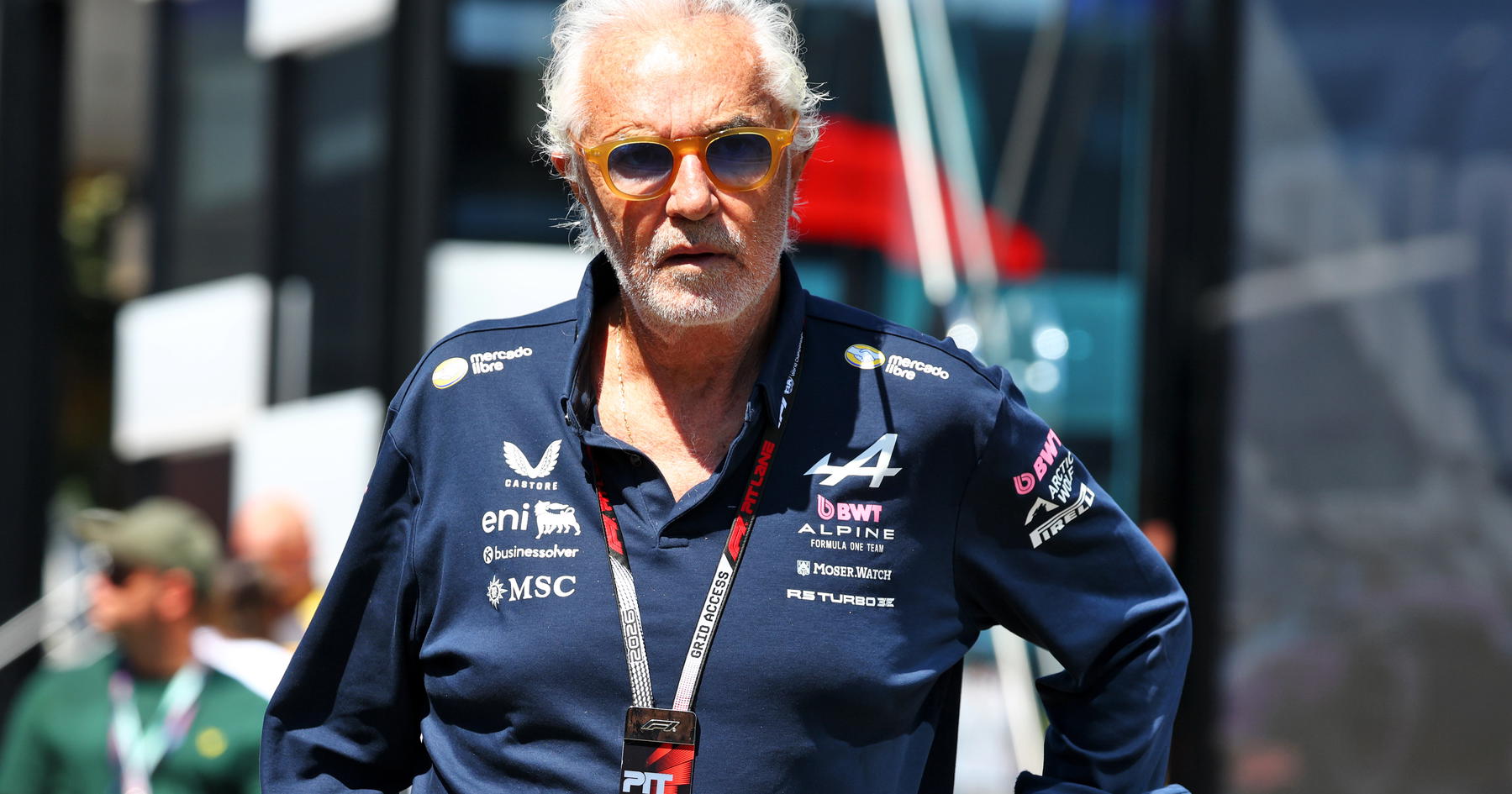
Alpine executive advisor Flavio Briatore alleges an FIA appeal judge showed bias linked to McLaren after the court reinstated Pierre Gasly’s pit-lane speeding penalties.
The International Court of Appeal ruling reverses an earlier decision that had restored Gasly to third, dropping him back to seventh in the final classification.

Gasly received two five-second penalties during the race for pit-lane speeding. Alpine argued timing discrepancies from pit-lane length measurements had produced an incorrect speed reading.
That argument initially succeeded, but McLaren and Red Bull escalated the case to an International Court of Appeal hearing in late September, which reinstated the penalties.
Briatore then claimed one judge behaved more like a prosecutor than an impartial arbiter, questioning the panel’s neutrality during the proceedings.
“What is unfair is that the judge was linked with McLaren; this is unfair,” Briatore said.
He cited a photo of the judge at a 2018 Beverly Hills McLaren event and the judge’s involvement with the One Drop Foundation, which he said had received a McLaren-donated car.
Briatore argued such associations should have triggered recusal, given McLaren’s role in the appeal, and said judges must be demonstrably independent from competing interests.
Briatore alleges the judge showed aggressive conduct during the hearing, undermining impartiality.
McLaren rejected the claims as insulting, maintaining its challenge was based on sporting integrity and procedural accuracy, a theme under scrutiny in recent FIA integrity claims.
The ruling reshapes the Monaco Grand Prix podium and elevates procedural governance to the forefront, with teams scrutinising how conflicts are identified and managed.
The decision confirms Gasly’s penalties and leaves Alpine without a Monaco podium after the appeal process.
Briatore referenced earlier Alpine cases, suggesting a pattern in stewardship that the team views as unfavourable, though he accepted the outcome while rejecting the panel’s composition.
Next steps appear limited. Alpine can seek clarity on conflict-of-interest thresholds, while teams refocus on operational certainty to avoid marginal infringements.
The episode intensifies rival dynamics. As McLaren pursues competitive gains alongside developments such as its H-wing direction, transparency in adjudication will be crucial to sustaining trust across the grid.
Visual Summary
Alpine
Judgement
Alpine’s leader claims injustice after a judge with McLaren ties tips the scales.
⚖️
Bias or just bitter rivalry?
⚖️
Bias or just bitter rivalry?
Gasly’s wild result swing:
P3 → P7 → P3 → P7
P3 → P7 → P3 → P7
“What is unfair is that the judge was linked to McLaren; this is unfair.”
— Flavio Briatore, Alpine
FIA‘s call resets the podium.
The fairness debate fuels F1 tension—was the verdict truly impartial?
The fairness debate fuels F1 tension—was the verdict truly impartial?

Daniel Miller reports on Formula 1 Grand Prix weekends with race-day analysis, team-radio highlights, and point-standings updates. He explains power-unit upgrades, aerodynamic developments, and driver rivalries in straightforward, SEO-friendly language for a global F1 audience.