
https://shop.fervogear.com/cart

FIA Courts Respond Strongly to Shocking Flavio Briatore Allegations

Highlights
- Flavio Briatore accused Judge Marchino of bias in FIA hearing.
- Marchino judged McLaren-Red Bull protest on Gasly’s Monaco penalties.
- ICA reinstated Gasly’s penalties, demoting him from third to seventh.
- McLaren and FIA denied any conflict of interest or bias claims.
- ICA emphasized strict judge selection and conflict disclosure procedures.
- ICA reaffirmed commitment to impartiality amid Formula 1 political tensions.
The FIA International Court of Appeal issues a statement after Flavio Briatore alleges bias against Judge Filippo Marchino, following the Monaco penalty appeal that changed the podium.
Marchino sat on the panel that reviewed McLaren and Red Bull’s protest over Pierre Gasly’s Monaco penalties. The ICA reinstated two five-second penalties, dropping Gasly from third to seventh.

Alpine’s earlier right of review had restored Gasly’s podium before the ICA reversal. Isack Hadjar moved back to third, with Alpine accepting the outcome while expressing disagreement.
The ICA ruling reinstated Gasly’s two five-second penalties, demoting him to seventh and returning Hadjar to the podium.
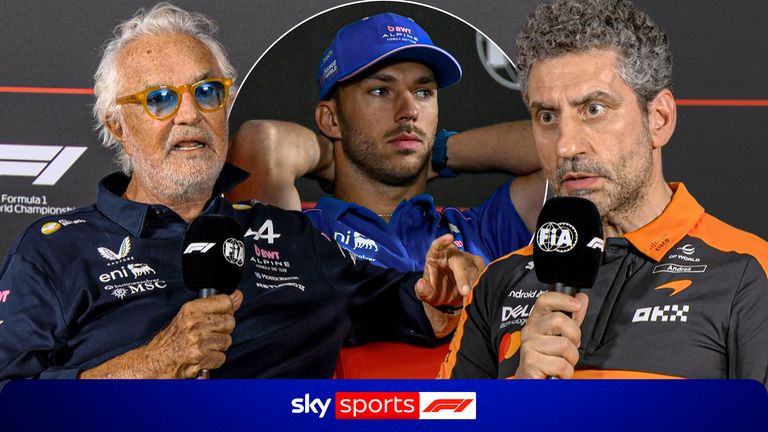
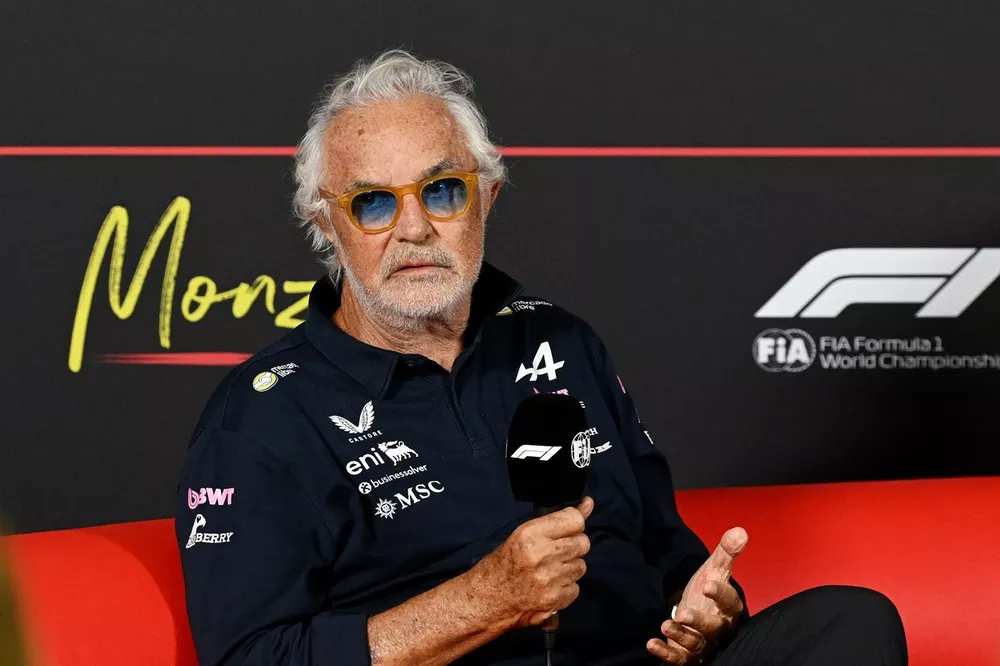
Briatore claims Marchino showed bias toward McLaren, citing a 2018 Beverly Hills event linked to Marchino’s One Drop Foundation and McLaren Special Operations. A detailed account appears in Briatore’s allegations.
He described Marchino as acting like a prosecutor and “very nasty” during the hearing. Judge Marchino has not publicly responded despite an approach for comment.
McLaren, led by Andrea Stella, called the insinuations “insulting” and demanded evidence. The team’s position is set out in McLaren’s rebuttal to Briatore.
McLaren says suggestions of bias are “insulting” and must be supported by evidence.
The ICA outlines strict appointment processes. Judges are elected by FIA General Assemblies, with some nominated by groups of F1 teams under the FIA statutes.
All judges disclose conflicts annually and sign a case-by-case independence declaration. The court stresses these safeguards ensure impartial adjudication.
The ICA adds that no party objected to the panel’s composition before or during the hearing. That point underpins its rejection of suggestions of impropriety.
ICA notes no objections to the panel’s composition were filed before or during the hearing.
The court argues diverse legal and cultural backgrounds on panels strengthen decisions and credibility. It reiterates confidence in its judges’ integrity and professionalism.
Competitively, Gasly’s drop and Hadjar’s promotion reshape points and narratives. Alpine’s acceptance, despite dissent, reflects the constraints teams operate under once appeals conclude.
This case underlines the FIA judicial ladder’s function: stewards, right of review, and final appeal. The ICA’s stance prioritizes process consistency over perception-led criticism.
With political tensions elevated, transparency and timely conflict disclosures remain critical. The onus is on teams to challenge panel compositions at the appropriate procedural moment.
Visual Summary
Alps of Controversy: Bias Claims Tip the Scales After Gasly’s Podium Lost
Briatore accuses FIA Judge of McLaren bias
Gasly’s podium overturned, Hadjar promoted
ICA: No proof of conflict, process called “fair”
Bias
Fairness
ICA
Alpine’s advisor ignites a legal storm, but the court stands by its judges. As Gasly and Hadjar swap places, the debate puts FIA impartiality under the microscope. ⚖️

Daniel Miller reports on Formula 1 Grand Prix weekends with race-day analysis, team-radio highlights, and point-standings updates. He explains power-unit upgrades, aerodynamic developments, and driver rivalries in straightforward, SEO-friendly language for a global F1 audience.