
https://shop.fervogear.com/cart

Discover Winning Tyre Strategy Choices for the Italian Grand Prix


Highlights
- Pierre Gasly claimed pole at Italian GP, breaking Mercedes dominance.
- One-stop race strategy favored due to tire compounds and track.
- Managing tire wear and pit timing crucial at Monza circuit.
- High-speed layout challenges tire degradation and slipstream tactics.
- Mercedes and Ferrari monitor Alpine’s strategy after pole surprise.
- Tactical pit stops likely to influence final podium outcomes.
Pierre Gasly delivers a shock pole for Alpine at Monza, halting a season-long run of Mercedes-powered poles and reframing the competitive picture heading into Sunday’s Italian Grand Prix.
Gasly topped Q1, sat fourth in Q2, then found 0.06s when it mattered to deny the usual pace-setters. It is a rare opportunity for Alpine after subdued recent form.

Strategy modelling points to a one-stop strategy, driven by Pirelli’s compounds and Monza’s low-energy layout. The baseline reduces variables but magnifies the importance of track position and execution.
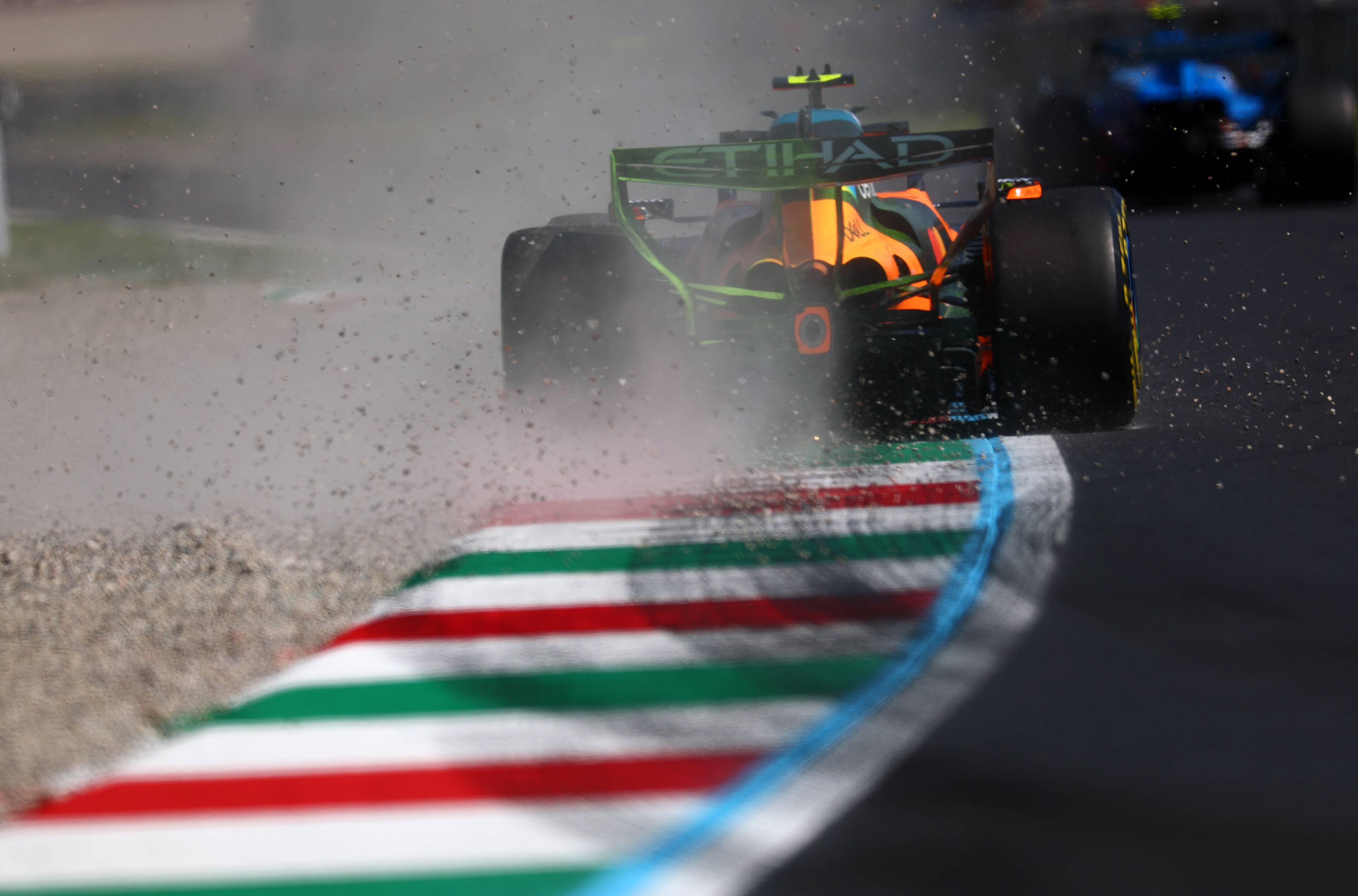
Pit timing becomes decisive amid dense midfield traffic over 53 laps. Teams must protect clean air to avoid DRS trains, where tyre advantage often fails to convert into overtakes.
Monza’s long straights and heavy braking create powerful slipstreams but punish sliding. Managing rear temperatures and braking stability is vital to control degradation and keep stint plans intact.
Gasly beats the field by 0.06s to secure Alpine’s first pole of 2026.
Opening stints may diverge. Some will extend to widen the safety-car window and protect track position. Others could undercut early to escape traffic and attack with a second-stint pace offset.
Weather variability and power-unit deployment profiles will shape those calls. Alpine’s task is to balance defensive pace with tyre life to convert grid position without inviting an undercut.
Historically, leaders at Monza profit from clean air and stable balances. That pushes teams toward banking track position first, then managing tyre drop rather than chasing peak lap time.
One-stop is baseline at Monza; clean pit windows often trump outright pace.
Saving rubber early can repay later with clearer passing chances, as the Italian GP at Monza often shows. Aggressive starts on softer tyres risk thermal fade and second-stint compromise.
Fuel loads also influence stint balance. Lighter early runs yield lap-time but force longer second stints, demanding precise degradation forecasting and stricter pace targets from engineers and drivers.
Track position within DRS trains may outweigh tyre life in the closing laps.
Mercedes and Ferrari will shadow Alpine’s choices. Pre-race narratives from Italian GP odds favoring Mercedes power now collide with Alpine’s track-position advantage and the threat of undercuts or overcuts.
Small differences in tyre usage and stop timing could decide the podium. For full post-race context, see the 2026 Italian Grand Prix results once published.
Visual Summary
GASLY POLE!
Q1
Top 💥
Q2
4th
Q3
Pole by +0.06s
🔄
🛞
🛞
Monza’s One-Stop Gamble
– Alpine breaks Mercedes’ 13-pole streak.
– Pierre Gasly stuns with pole by 0.06s.
– Tire wear and pit timing will decide Sunday’s 53-lap battle.
– Fine margins separate glory from heartbreak on Monza’s fast lane.
– Pierre Gasly stuns with pole by 0.06s.
– Tire wear and pit timing will decide Sunday’s 53-lap battle.
– Fine margins separate glory from heartbreak on Monza’s fast lane.

Daniel Miller reports on Formula 1 Grand Prix weekends with race-day analysis, team-radio highlights, and point-standings updates. He explains power-unit upgrades, aerodynamic developments, and driver rivalries in straightforward, SEO-friendly language for a global F1 audience.