

https://shop.fervogear.com/cart

Former Engineer Calls for Augmented F1 Stewarding to Speed Up Decisions


Highlights
- Rob Smedley proposes an augmented stewarding group for F1 races.
- New group aims to speed up decisions on straightforward incidents.
- Current stewarding struggles with real-time incident processing during races.
- Complex technical breaches would still undergo post-race reviews.
- Faster rulings could reduce provisional results and increase race fairness.
- FIA expected to consider stewarding improvements in upcoming rule updates.
Former Ferrari and Williams engineer Rob Smedley urges Formula 1 to adopt an “augmented” stewarding group to accelerate in-race decisions. He outlines the concept on the High Performance Racing podcast.
Smedley argues the current system struggles under live workloads. Investigations often extend beyond the chequered flag, leaving classifications provisional and fans waiting for clarity.

His proposal adds a secondary stewarding unit to process straightforward incidents in real time. The main panel would retain complex or ambiguous cases requiring deeper analysis.
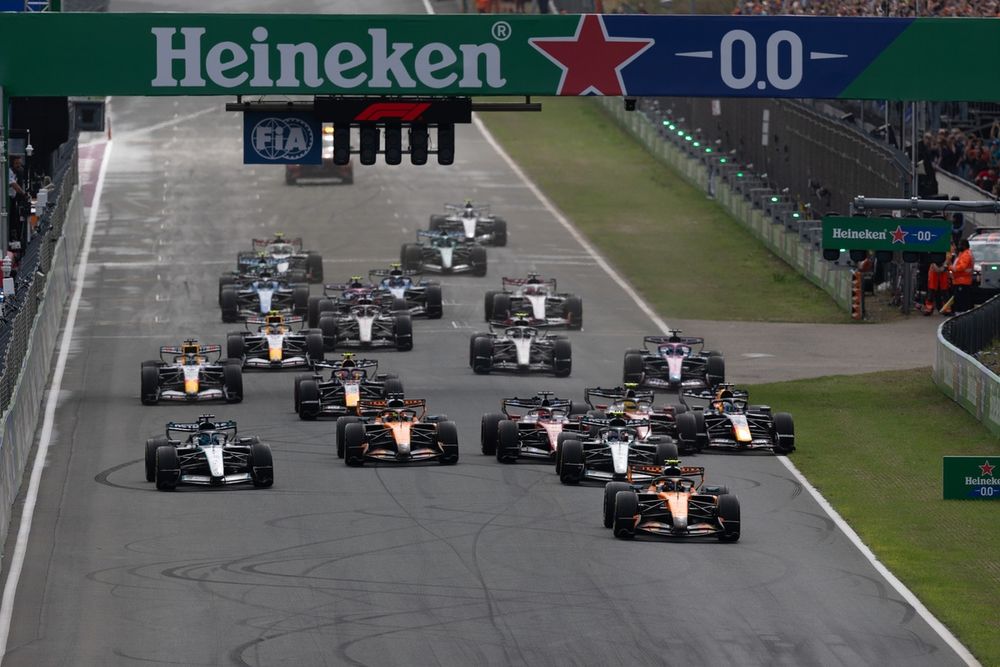
Smedley proposes a secondary stewarding team to deliver immediate rulings on straightforward incidents during the race.
The objective is to cut the live backlog, reduce disruption to race flow, and limit post-race penalties that reshape results. Faster calls should also enhance sporting fairness.
He stresses that technical breaches still demand post-race checks. Plank wear, rear wing deflection or height, and minimum weight require precise parc fermé measurements and validated data.
By contrast, many on-track matters are binary and visible. With the right division of labor, penalties for clear infringements can be issued without delaying the event.
Complex, measurement-dependent technical infringements would remain under post-race scrutiny.
The suggestion aligns with paddock calls for faster, more transparent decisions. That includes debates around response protocols, as highlighted by David Coulthard’s views on safety car deployments.
Execution is the challenge. The FIA would need clear roles, consistent training, and a robust handover between groups. Remote operations support could help standardize outcomes across events.
Competitive impact would be significant. Teams plan strategy around certainty; timely rulings affect pit windows, track position, and risk appetite, particularly for contenders like Ferrari.
Fewer provisional results and quicker clarity are central aims, improving fairness and the spectator experience.
Smedley’s framework prioritizes speed without sacrificing accuracy. It separates quick, clear calls from specialised technical policing, reflecting how F1 already blends trackside and remote resources.
The FIA is expected to consider stewarding refinements in upcoming regulatory updates. Stakeholders favor solutions that preserve integrity while matching the sport’s real-time pace.
If implemented effectively, an augmented stewarding group could streamline race management, reduce confusion, and deliver outcomes that teams and fans can trust immediately.
Visual Summary
⏱️
⚡
F1 Needs Faster Decisions.
Split the Stewards.
Let the Race Flow.
Split the Stewards.
Let the Race Flow.
Former engineer Rob Smedley proposes a
dual stewarding team so racing
incidents get lightning-fast calls.
⏳ Old way: wait for rulings → ⚡ New: instant clarity
dual stewarding team so racing
incidents get lightning-fast calls.
⏳ Old way: wait for rulings → ⚡ New: instant clarity
Race decision speed
Slow
Fast
Fast
Less waiting. More racing.
Let the action decide, not the paperwork.
Let the action decide, not the paperwork.
Daniel Miller reports on Formula 1 Grand Prix weekends with race-day analysis, team-radio highlights, and point-standings updates. He explains power-unit upgrades, aerodynamic developments, and driver rivalries in straightforward, SEO-friendly language for a global F1 audience.