


https://shop.fervogear.com/cart

FIA Confirms Game-Changing F1 Grands Prix Updates for 2027

Highlights
- FIA shortens F1 race distances to 290 kilometers from 2027 season
- Fuel flow rates will increase in 2026, impacting race strategies
- New hard stop time replaces three-hour race duration limit
- Gearbox homologation rules removed starting in 2027 for more flexibility
- Changes aim to balance fuel needs, competition, and fan experience
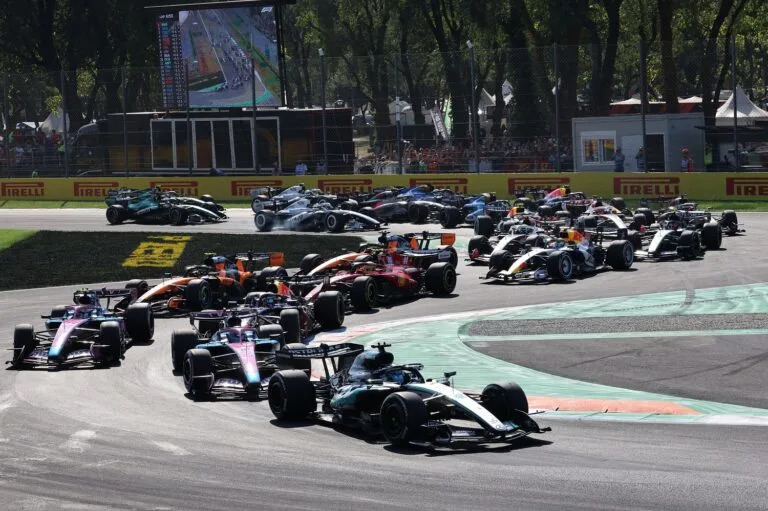
The FIA confirms Formula 1 grands prix will shorten to 290 kilometers from 2027, aligning race format with upcoming power unit changes and revised race-management rules.
The decision follows a 2026 increase in fuel-flow limits. Higher throughput raises fuel demand at 305 kilometers, clashing with cars and tanks designed to earlier specifications.

2026 fuel-flow increases drive the distance compromise to avoid costly chassis and tank redesigns.
Rather than force costly redesigns, organisers trim distance by roughly two to three laps. Teams retain packaging targets while strategies shift around stint length, lift-and-coast thresholds, and pit windows.
Race distance cuts to 290km from 2027, trimming roughly two to three laps per event.
Race control also adopts a hard stop, replacing the three-hour start‑to‑finish window. The two-hour cap on green-flag running stays, clarifying outcomes during heavily interrupted events.
The update mirrors debates around safety-car deployment, echoing analysis in the FIA safety car procedures coverage.
To protect track time on disrupted Fridays, officials allow greater flexibility to extend free practice. That reduces the risk of compressed programs when weather or incidents intervene.
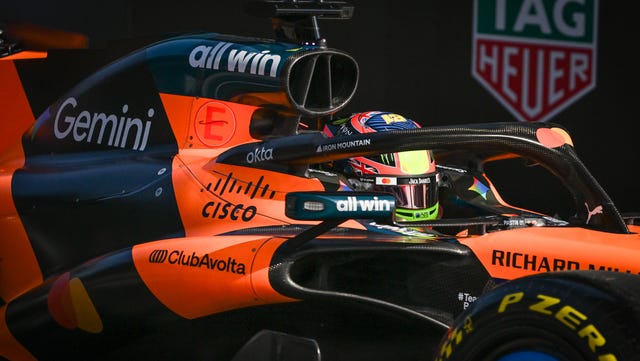
A hard stop replaces the three-hour window; the two-hour racing-time cap remains.
From 2027, gearbox homologation disappears. Suppliers gain development freedom between seasons, trading performance potential against reliability risk and cost, under oversight from the Sporting Advisory Committee.
Minor technical revisions accompany the package. Specifics remain pending, but teams expect clarifications to aerodynamics and packaging to dovetail with the post‑2026 power unit architecture.
Gearbox homologation ends in 2027, granting manufacturers greater development latitude.
Strategically, shorter races may reward aggressive energy deployment and undercuts, especially where tyre degradation moderates. Margins tighten for fuel targets, safety-car pit windows, and late‑race push laps.
Further context on the power‑unit direction appears in our F1 launch 2027 guide, while broader governance themes surface in Honda magic and FIA intervention coverage for additional perspective on recent decisions.
Collectively, the measures aim to balance competition, cost, and fan experience. Teams now calibrate 2027 designs and operations around the confirmed distance, control, and development frameworks.
Visual Summary
F1 Race Distance CUT for 2027
From 305km to 290km: FIA makes one of the biggest rule changes in decades.
2-3 laps shorter!
2-3 laps shorter!
Fuel flow ↑
drives the change
drives the change
“Hard stop”
new race end barrier
new race end barrier
Gearbox
homologation gone
homologation gone
What’s Changing?
F1 race distances shorten for the first time in decades.
Fuel rule →
Lap cuts, new race end logic,
gearbox rules unlocked.
2027: Formula 1 evolves for power, strategy, and fans. 🏁

Daniel Miller reports on Formula 1 Grand Prix weekends with race-day analysis, team-radio highlights, and point-standings updates. He explains power-unit upgrades, aerodynamic developments, and driver rivalries in straightforward, SEO-friendly language for a global F1 audience.




