

https://shop.fervogear.com/cart

Lewis Hamilton Calls F1 Learning ‘Not Natural’ Ahead of Big Changes

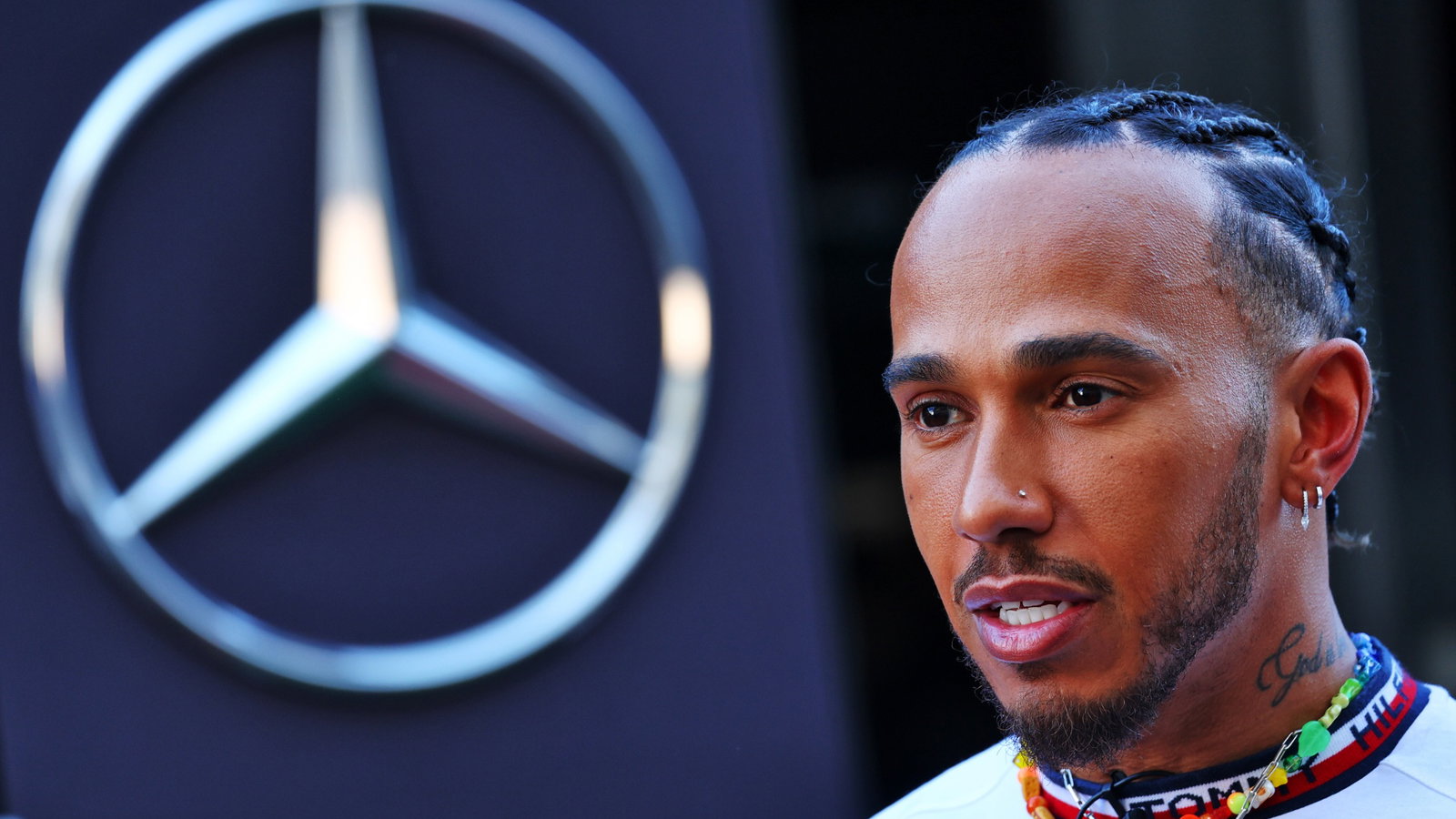
Highlights
- Hamilton finds 2026 F1 cars still “not natural” to drive
- 2026 engine rules emphasize increased energy management
- Chassis design shifted back to 2021-style aerodynamics
- Hamilton trails leader Kimi Antonelli by 101 championship points
- Teams focus on closer collaboration and future 2027 plans
- Formula 1 adapts with new rules and evolving race strategies
Lewis Hamilton says the 2026 Formula 1 cars still feel not natural to drive, as the field adapts to new power-unit demands and revised aerodynamics.
The rules elevate energy deployment and recovery, reshaping race management, lift-and-coast targets, and how teams balance stint pace against battery state-of-charge.

“It is definitely still not natural, and we still are having to work at it massively.” — Lewis Hamilton
Hamilton sits 101 points behind leader Kimi Antonelli, highlighting how mastering these hybrids remains as important as pure aerodynamic efficiency.
Chassis philosophy shifts from 2025’s ground-effect emphasis toward bodywork-driven load, closer to 2021 concepts where Hamilton thrived.
That pivot reduces reliance on aggressive floor sealing and increases sensitivity to airflow conditioning, wheel wake control, and ride-height stability across varying fuel loads.
Design emphasis shifts back toward 2021-style aerodynamics, reducing reliance on aggressive ground-effect sealing.
Hamilton accepts the direction but stresses the learning curve. He says driver and team must work harder to decode behaviour and broaden operating windows.
Crucially, development now spans 2026 understanding and 2027 rule preparations, forcing tighter collaboration, clearer trade-offs, and relentless correlation between track data and simulation.
Under the 2026 ruleset, energy management becomes a decisive performance differentiator.
Form remains volatile across the field. Ferrari, McLaren, Red Bull, and Mercedes have all found gains, tightening the spread and punishing small execution errors.
Hamilton targets incremental steps and consistency, a message reinforced by his measured response to Ferrari fans and expectations after recent swings in form.
“Our goal is to make that next step.” — Lewis Hamilton
Calendar variety compounds the task. Azerbaijan, Bahrain, and Singapore demand different compromises on drag, braking stability, and energy deployment.
Circuit characteristics also shape racing quality. Madring continues to draw criticism for constrained overtaking windows and marginal DRS effects.
Off-track, contract narratives persist, including reports around a McLaren agreement, which influence long-term planning and resource allocation.
Ferrari-related expectations remain in focus after the Italian GP, sustaining debate over targets and upgrade cadence approaching the final flyaways.
As familiarity grows, execution should improve. For now, Hamilton’s view is clear: performance exists, but extracting it consistently remains an acquired skill.
Visual Summary
2021: Ground Effect
2026: Aero Focus
🤡
🖐
Hamilton Wrestles with 2026 F1 Cars
“Still Not Natural” – Adapting to Change
2021
2026
2027
2026
2027
Hamilton
Next round of changes awaits…
101 pts behind Antonelli
8-1 Win gap this season
Formula 1’s evolving game: Can Hamilton master the unfamiliar… again?

Daniel Miller reports on Formula 1 Grand Prix weekends with race-day analysis, team-radio highlights, and point-standings updates. He explains power-unit upgrades, aerodynamic developments, and driver rivalries in straightforward, SEO-friendly language for a global F1 audience.