
https://shop.fervogear.com/cart

Otmar Szafnauer Flags Issues in Cadillac’s US-UK Split Structure

Highlights
- Cadillac entered Formula 1 as the 11th team in 2026 season.
- Cadillac’s design split between Silverstone, Indianapolis, and South Carolina.
- Otmar Szafnauer warns split setup may hinder championship chances.
- Team currently sits bottom of constructors’ standings with zero points.
- Centralized operations favored by leading F1 teams for better performance.
- Challenges include reliability issues and complex transatlantic coordination.
Former Alpine team principal Otmar Szafnauer warns Cadillac’s split US‑UK operating model risks capping its Formula 1 ceiling, arguing it compromises the focus required to fight for titles in 2026 and beyond.
General Motors entered F1 under the Cadillac banner as the 11th team for 2026, building a European base in Silverstone while keeping major design and simulation functions in Indianapolis and South Carolina.

Speaking on the High Performance Racing podcast with Jake Humphrey, Szafnauer referenced a discussion with Cadillac consultant Pat Symonds and questioned whether a transatlantic model can match established title contenders’ integration.
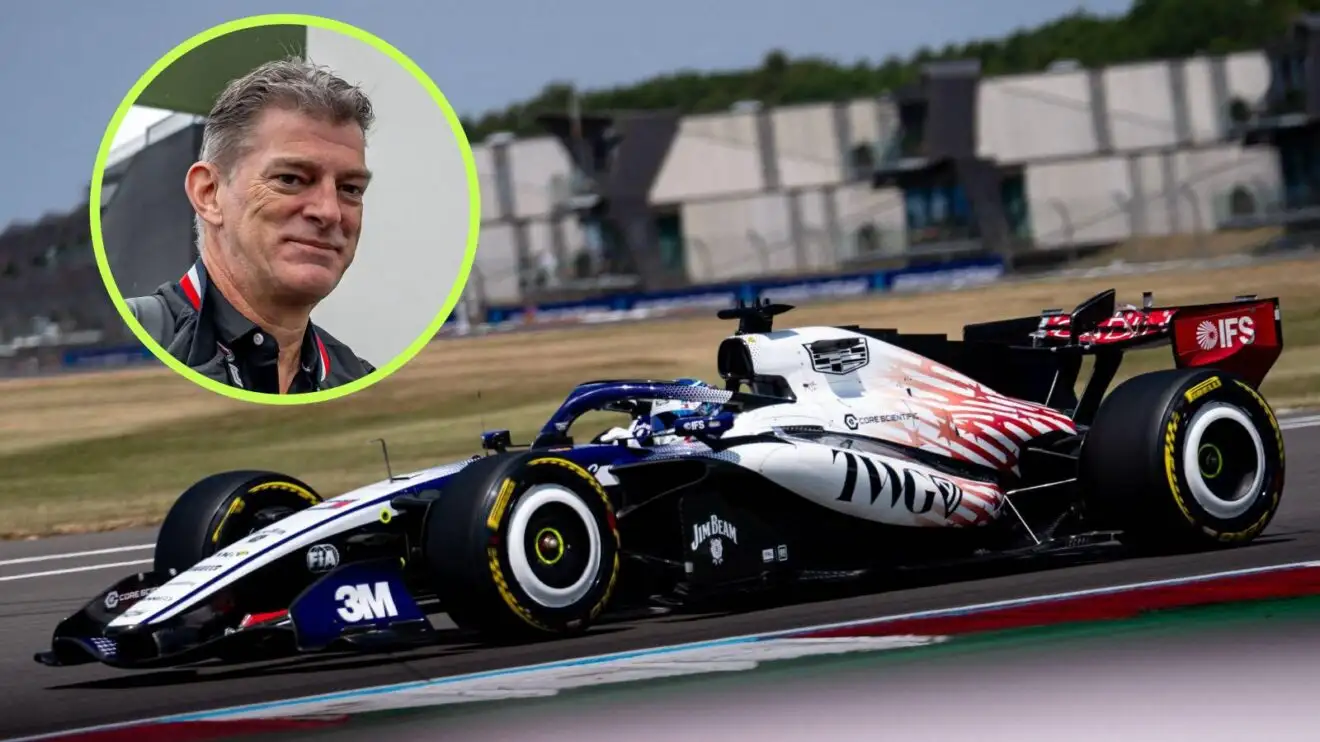
Pat Symonds’ view, relayed by Szafnauer: the structure is “only suboptimal if you want to win the world championship.”
The logic is simple. Leading teams centralize for faster decision-making, tighter feedback loops, and stronger correlation between track, wind tunnel, and CFD. Splitting capability adds latency and dilutes accountability.
Cadillac’s early results underline the scale of the task. The team sits last in the constructors’ standings with no points, while reliability setbacks and penalties have compounded a steep learning curve.
Cadillac remains bottom of the constructors’ table with zero points as its debut campaign unfolds.
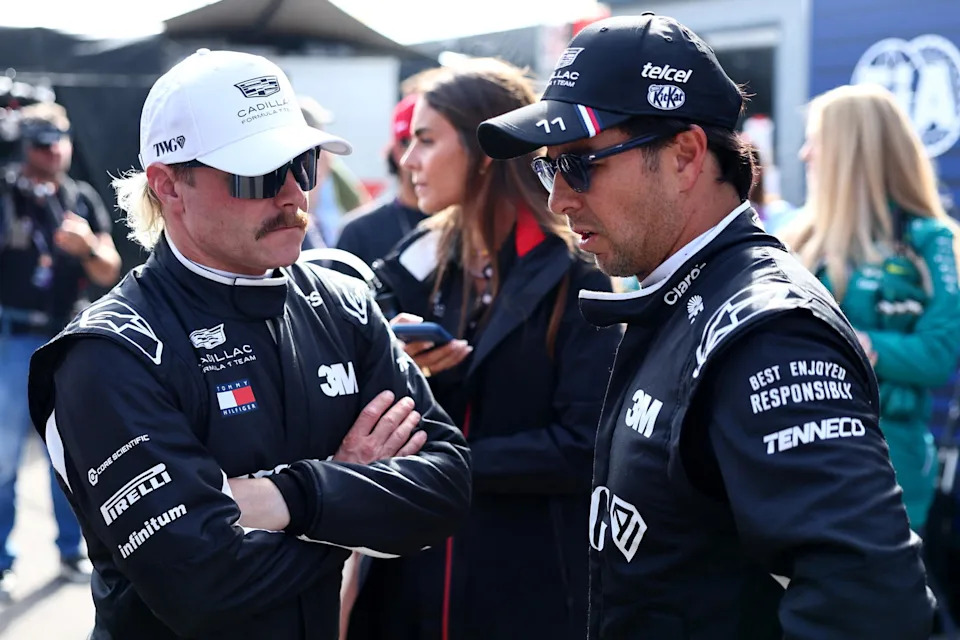
Szafnauer acknowledged the quality of Cadillac’s drivers, including Sergio Perez’s early testing work, and a promising power unit. But he argued structure can choke potential if communication and iteration speed lag.
The practical headwinds are significant: time zones, version control across sites, and freight lead times. Under cost-cap and ATR limits, inefficiency carries an opportunity cost that rivals with single-site models avoid.
Centralized operations correlate with faster development cycles and clearer accountability in F1’s cost‑capped era.
Short term, Cadillac’s path is about stabilizing reliability, strengthening track-to-factory correlation, and clarifying ownership of performance streams across sites to preserve iteration speed.
Longer term, the team must decide whether to centralize further or engineer processes robust enough to neutralize transatlantic friction. Either way, sustained gains demand sharper integration.
Visual Summary
🇺🇸
Indianapolis
South Carolina
South Carolina
🇬🇧
Silverstone, UK
Cadillac’s split US-UK formula risks their World Championship dream
“Only suboptimal if you want to win the world championship.”
— Pat Symonds (per Otmar Szafnauer)
2026 Constructors’ Championship:
0 pts
Leaders
Divided teams can’t conquer.
Cadillac’s cross-Atlantic ambitions have created friction and communication delays—problems their rivals in a single base simply don’t face.
Cadillac’s cross-Atlantic ambitions have created friction and communication delays—problems their rivals in a single base simply don’t face.
The dream: An American F1 force.
The risk: A world championship out of reach—unless one team, in one place, rallies as one.

Daniel Miller reports on Formula 1 Grand Prix weekends with race-day analysis, team-radio highlights, and point-standings updates. He explains power-unit upgrades, aerodynamic developments, and driver rivalries in straightforward, SEO-friendly language for a global F1 audience.