
https://shop.fervogear.com/cart

Top 6 F1 Tech Highlights to Watch at the Azerbaijan GP

Highlights
- Azerbaijan GP starts tough triple-header shaping championship battle.
- Williams introduces lighter chassis aiming to reduce driver weight.
- Ferrari’s ADUO 2 engine debuts in Azerbaijan with Perez.
- McLaren returns low-drag ‘H-wing’ for improved straight-line speed.
- Aston Martin brings lighter parts, targets 2027 development gains.
- Energy management and brake cooling critical on Baku’s long straights.
Formula 1 arrives in Baku to open a demanding triple-header that could define the 2026 title fight, with the Azerbaijan GP emphasizing efficiency over downforce on its vast straights.
Most teams prioritise fine-tuning rather than overhauls, with Mercedes and Ferrari expected to delay final development packages as resources pivot to regulation-bound, longer-term performance gains.

Williams targets recovery with a lighter chassis to cut driver-carried ballast. James Vowles says its manufacturing approach is unique, potentially informing the next five years of design.
Drivers, including Alex Albon, expect a helpful step, not a transformative leap, as the team chases lap time through weight reduction and refined set-up.
Aston Martin already made its biggest aero change in Budapest. Baku brings lighter components to approach the 768kg minimum, supporting a measured trajectory toward a stronger 2027 platform.
Baku’s straights prioritise aerodynamic efficiency and energy strategy over peak downforce, sharpening upgrade choices across the grid.
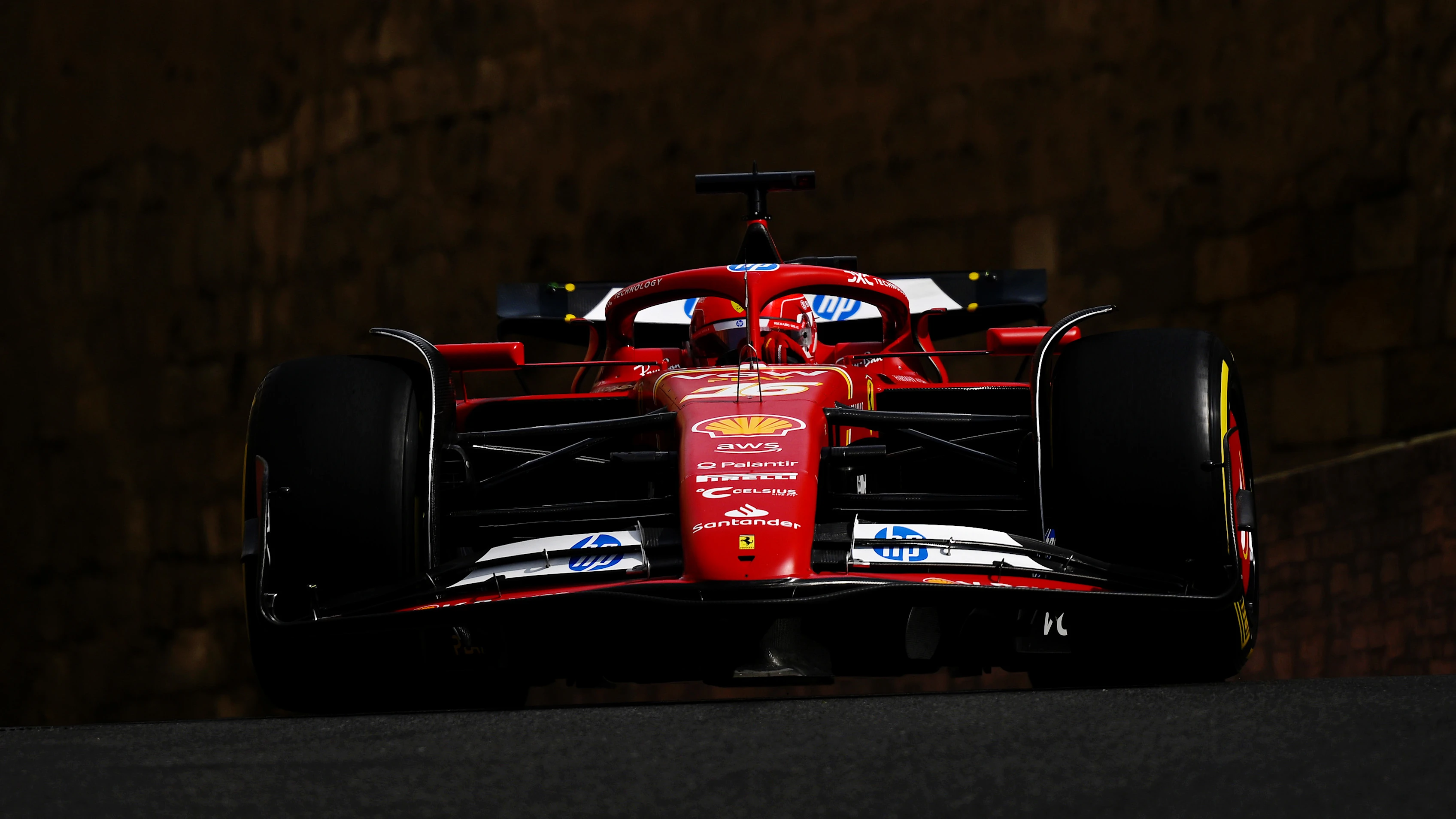
Ferrari’s ADUO 2 power unit entered service in early September with the works team and Haas. After installation delays, Cadillac equips Sergio Perez with it for Azerbaijan; Valtteri Bottas waits longer.
The unit promises increased power and arrives alongside minor aero tweaks. Charles Leclerc could continue with his post-Monza spec or switch to a fresh engine despite a likely grid penalty.
McLaren reinstates its low-drag ‘H-wing’ for Baku’s main straight, complementing gains since summer in medium and fast corners. Another package is slated for evaluation with 2027 rules in mind.
Technical chief Rob Marshall underlines a tight lead battle and the need for relentless iteration as McLaren targets straight-line and low-speed gains, outlined in a recent Baku update overview.
Energy deployment is pivotal. The run from Turn 1 to Turn 16 offers harvesting windows, but the push to Turn 1 demands disciplined battery use to protect overtaking and defence.
Outlap and qualifying speed deltas complicate energy plans down Baku’s main straight, shaping harvest and deployment choices.
Whether Turns 18 and 19 are flat will shape deployment maps. Pace deltas on outlaps and qualifying runs complicate harvest timing and boost usage on the main straight.
Brakes and tyres cool dramatically down the endless straight. With greater energy harvesting in 2026 reducing brake usage, discs and carcasses start the lap colder than earlier seasons.
That increases lock‑up risk into Turn 1. McLaren’s Marshall warns front brakes and tyres may be relatively cold at braking, heightening mistakes on traffic-affected outlaps and the opening stint.
Front-end temperatures at Turn 1 could catch drivers out, especially on outlaps and safety car restarts.
Fine margins will matter across the triple-header. The Baku start and evolving Azerbaijan Grand Prix weather could swing strategy as teams juggle weight, engine performance, and aero efficiency for championship-critical gains.
Visual Summary
CITY WALL
CITY WALL
ENERGY DEPLOYMENT BATTLE
Every Gram, Every Watt, Every Meter
Baku’s power straights and cool corners demand precision—Weight-saving, engine power, and aero tricks could decide the championship as F1 enters a triple-header showdown.
🪶
Williams rolls out a uniquely light chassis
Williams rolls out a uniquely light chassis
⚡
New “ADUO 2” engine for Ferrari & Haas
New “ADUO 2” engine for Ferrari & Haas
🦾
McLaren brings back the low-drag ‘H-wing’
McLaren brings back the low-drag ‘H-wing’
🔋
Aston Martin shaves grams with new parts
Aston Martin shaves grams with new parts
⌛
Mercedes & Ferrari hold upgrades for later rounds
Mercedes & Ferrari hold upgrades for later rounds
Cold front brakes & tires
mean more lock-ups risking chaos at Turn 1!
Triple Header Begins: Fine Margins Will Decide Everything
With upgrades delayed, weight trimmed, and engines bristling with new tricks, every team chases that extra tenth. Baku’s power straight is the battlefield — tiny gains could tip the 2026 World Title.

Daniel Miller reports on Formula 1 Grand Prix weekends with race-day analysis, team-radio highlights, and point-standings updates. He explains power-unit upgrades, aerodynamic developments, and driver rivalries in straightforward, SEO-friendly language for a global F1 audience.