
https://shop.fervogear.com/cart

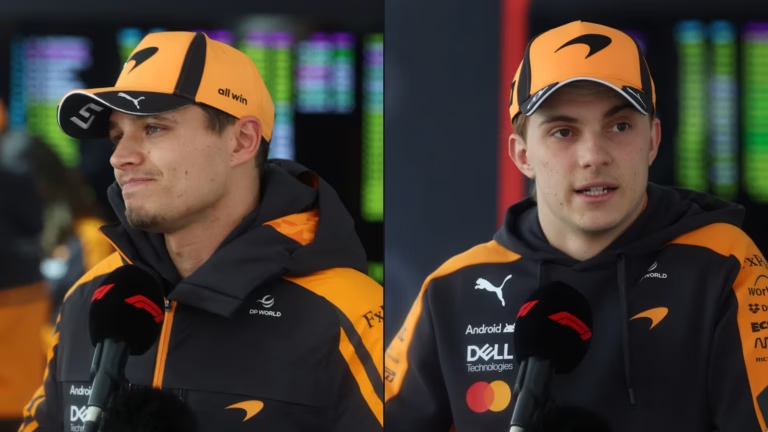
Lando Norris Firmly Denies George Russell’s 2026 F1 Car Claim


Highlights
- Lando Norris rejects Russell’s claim about 2026 car driving advantages.
- 2026 F1 cars focus on wing downforce, not ground-effect aerodynamics.
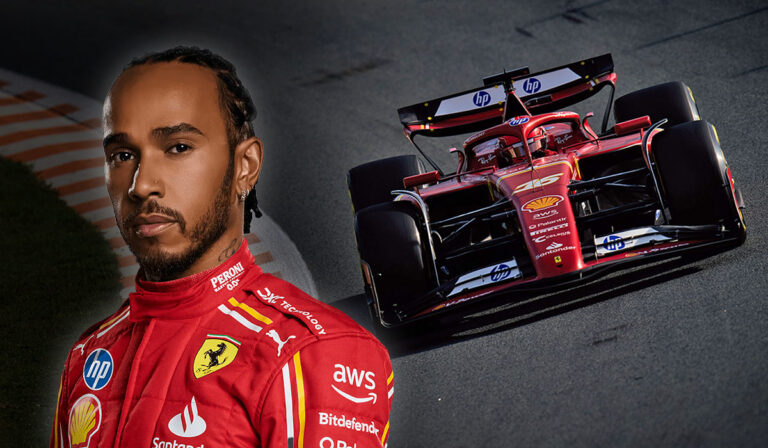
- Lewis Hamilton benefits from rear-end movement in new car design.
- Russell trails teammate by 81 points; Piastri 66 points behind.
- Norris credits adaptability, not driving style, for his performance.
- Drivers and teams still adjusting to major 2026 car changes.
Lando Norris rejects George Russell’s claim that certain driving styles inherently suit the 2026 Formula 1 cars, arguing adaptability, not style, explains the performance split to date.
The 2026 regulations pivot from 2022–25 ground-effect reliance to wing-led downforce, reshaping balance, yaw characteristics, and steering demands across entry, mid-corner, and exit phases.

That shift frees the rear more, a trait that appears to complement Lewis Hamilton’s preferences, while others manage frequent micro-corrections to stabilise load through longer corner arcs.
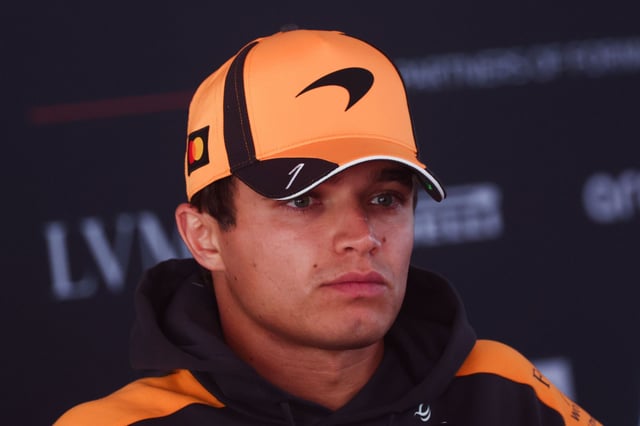
Early results underline adaptation gaps. Russell trails his teammate by 81 points, and Oscar Piastri sits 66 points adrift in the standings.
Russell attributes the spread to driving style suitability under the new rules. Norris disagrees, saying his baseline style does not naturally suit the McLaren.
Norris says performance comes from adaptability, not a ‘lucky’ driving style.
He credits rapid setup understanding and willingness to adjust inputs for his gains, rather than any intrinsic compatibility with the car’s revised characteristics.
Direct comparisons are limited. Norris notes he has never shared a garage with Kimi Räikkönen, Hamilton, or Russell, so cross-referencing styles remains speculative.
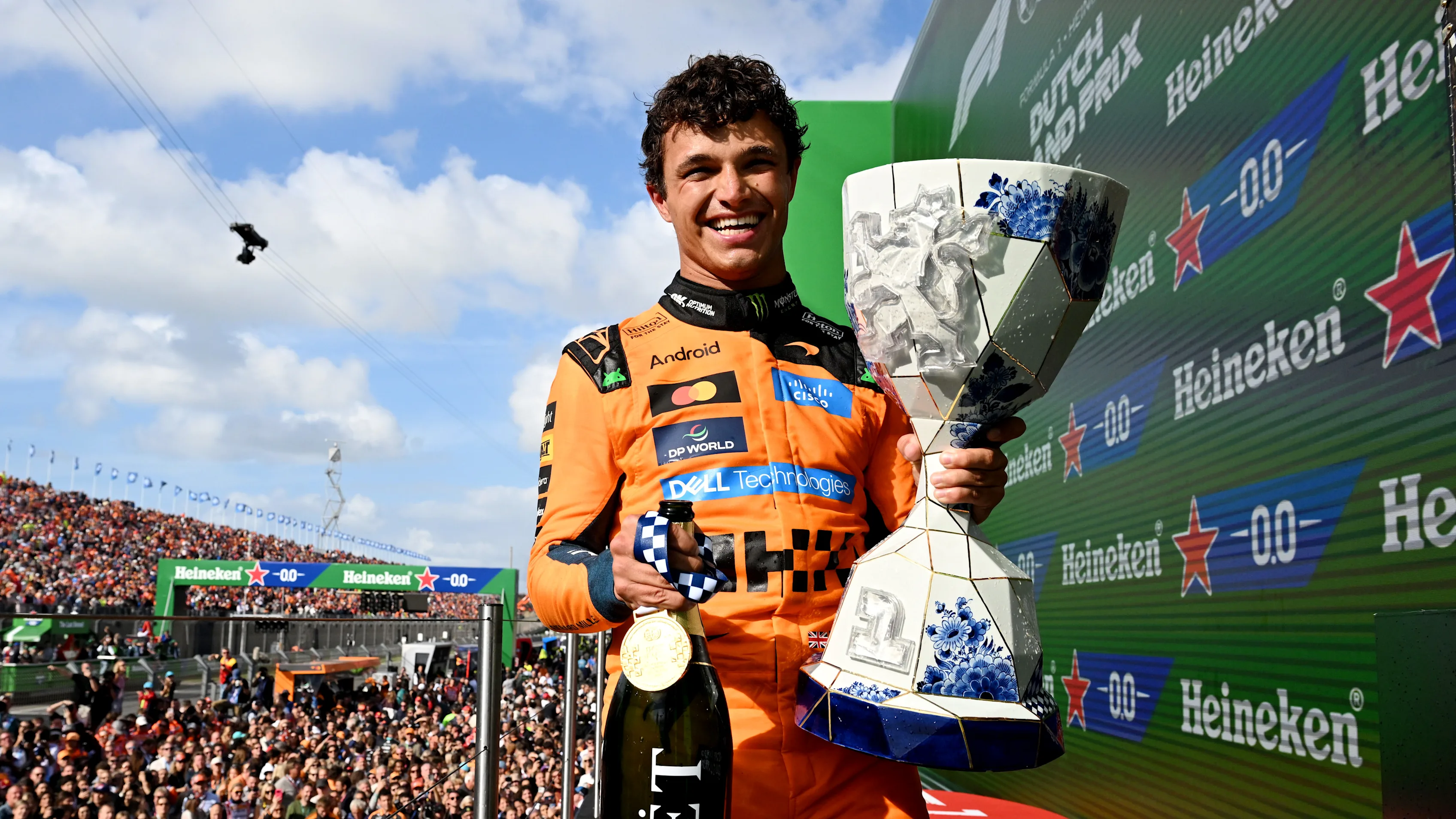
Crucially, Norris stresses the discontinuity between 2025 and 2026 machinery, describing the driving experience as fundamentally different and demanding new techniques and setup pathways.
“Not even 1% feels the same between 2025 and 2026,” Norris says.
The aero reweighting reduces underfloor load sensitivity and pushes teams toward broader aero-balance windows. Rear stability under braking and rotation becomes a primary tuning battleground.
That places a premium on drivability, tyre management, and correlation between simulation and track. Drivers who adapt inputs to shifting balance mitigate the reduced platform stability.
With the Azerbaijan Grand Prix next, teams continue compressing learning curves. McLaren’s trajectory, Norris’s 2026 form, and Russell’s title approach will indicate whose adaptation strategy scales best.
Adaptation speed is emerging as a decisive differentiator in the 2026 championship.
Visual Summary
Norris’s Real Edge
“Not even 1% of the experience feels the same.”
Lando Norris challenges the myth that 2026 F1 car changes favor certain driving styles. He says the winners are those who adapt fastest.
→ 2025: Piastri started strong
→ 2026: Norris’s adaptability shines
→ 2026: Norris’s adaptability shines
2025: Ground-Effect
⟶
2026: Wing Downforce
+81
vs. Russell
-66
Piastri gap
No style is king.
Adapt or get left behind.
Adapt or get left behind.
2026 is survival of the fastest learner.

Daniel Miller reports on Formula 1 Grand Prix weekends with race-day analysis, team-radio highlights, and point-standings updates. He explains power-unit upgrades, aerodynamic developments, and driver rivalries in straightforward, SEO-friendly language for a global F1 audience.