
https://shop.fervogear.com/cart

Lando Norris Reveals Key F1 Driver Challenge: ‘Not Seen This Year’

Highlights
- 2027 F1 races reduce distance from 305km to 290km
- Engine power increases to 420kW via higher fuel flow
- Drivers criticize current focus on battery over driving skill
- Norris calls race distance cut a temporary compromise
- Longer races expected with bigger fuel tanks and allowances
- 2027 rules aim to emphasize driver skill and competitiveness
Lando Norris welcomes Formula 1’s 2027 regulation reset, including trimming race distance from 305km to 290km, arguing it aligns engine changes with racing objectives and restores emphasis on driver influence.
The cut accompanies increased fuel flow and 420kW output, rebalancing combustion and hybrid roles. Teams face tighter fuel windows and energy deployment choices across shorter but more intense stints.

Engine power rises to 420kW under higher fuel-flow limits for 2027.
Drivers have criticised battery‑centric racing, particularly during overtakes. Norris says constant state‑of‑charge calculations curb attacking intent and reduce the on‑edge feel expected at the limit.
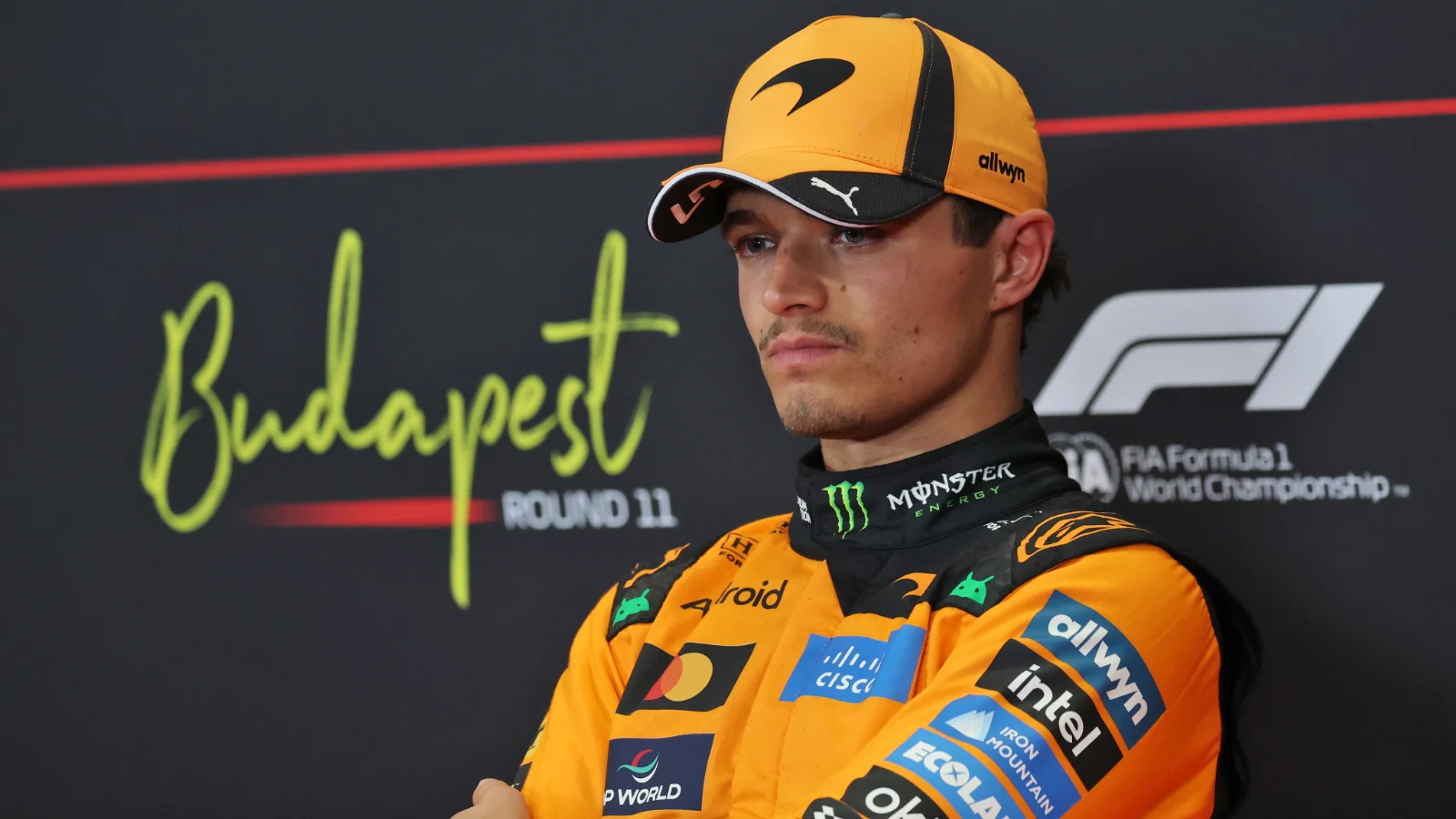
That view matches his call to prioritise a driver’s ability to extract performance from the car over energy‑game mastery, strengthening the link between feel, commitment, and lap‑time.
Norris frames the 290km limit as a necessary, temporary compromise while manufacturers and the FIA bed in the revised power‑unit formula and its operational constraints.
“You’re not pushing harder; you’re just too focused on the battery,” says Norris.
Strategically, shorter distances will influence tyre usage, cooling margins, and lift‑and‑coast targets. Expect higher peak power to compress stint variation and punish inefficient deployment or traffic management.
He expects race length to return once manufacturers endorse larger fuel tanks and allowances, enabling original distances without reviving excessive saving that blunts combat.
The 2027 ruleset aims to keep drivers central while evolving efficiency and sustainability, ensuring the spectacle stems from execution rather than energy bookkeeping.
Norris views the shorter distance as a stopgap until bigger tanks and higher fuel allowances allow longer races.
That direction aligns with his season narrative, highlighted by an adaptable Azerbaijan GP performance as teams iterate around evolving deployment windows and race craft demands.
He has reinforced these themes in comments on F1’s 2026 direction, urging a balance that rewards commitment, precision, and adaptability over software‑driven gamesmanship.
With teams already modelling 2027 scenarios, competitive order will hinge on integrating higher engine output with cleaner energy strategies, giving drivers more agency in decisive moments.
Visual Summary
⚡
➖
➖
⟶
➖
⟶
305km
290km (2027)
SHORTER RACES, PURE RACING:
F1 shifts focus back to driver skill
F1 shifts focus back to driver skill
“It’s about drivers making the difference. That’s what this sport is about.”
— Lando Norris
“
“
420kW
New engine power
(2027)
🔥
Combustion power
returns focus
Driver Skill
Battery Management
Battery Management
F1 is shrinking distances to let drivers push harder.
Norris and peers cheer a comeback for pure racecraft.
The future? Longer races will return—once tech catches up.
Norris and peers cheer a comeback for pure racecraft.
The future? Longer races will return—once tech catches up.

Daniel Miller reports on Formula 1 Grand Prix weekends with race-day analysis, team-radio highlights, and point-standings updates. He explains power-unit upgrades, aerodynamic developments, and driver rivalries in straightforward, SEO-friendly language for a global F1 audience.