

https://shop.fervogear.com/cart

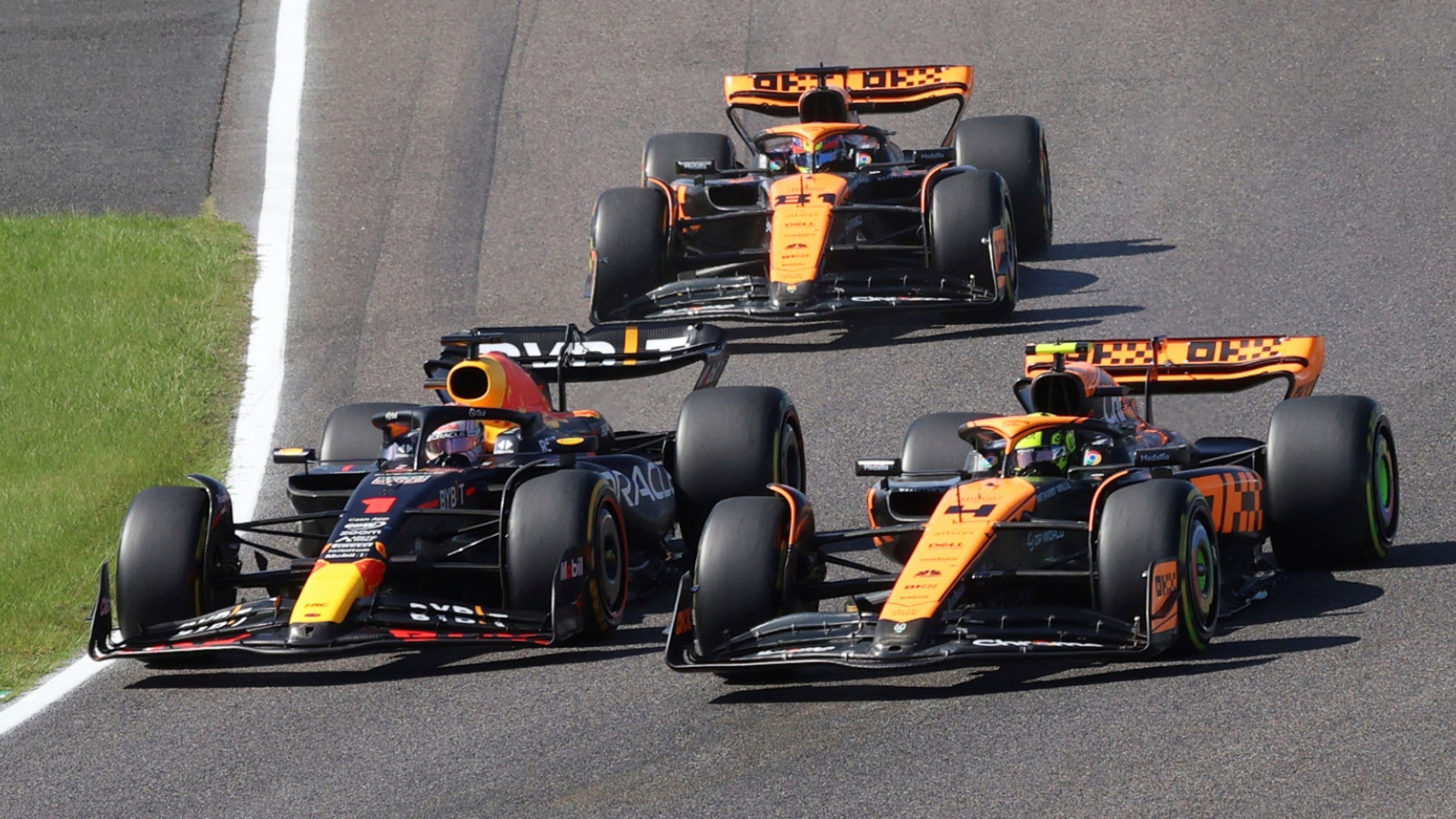
McLaren Launches Bold Strategy for High-Stakes Baku Showdown

Highlights
- McLaren submits eight upgrades, focusing on aerodynamics and airflow.
- Red Bull brings five updates, mainly on floor and sidepod designs.
- Mercedes and Ferrari opt to retain current car setups for Baku.
- Audi introduces extensive upgrades across multiple car components.
- 2026 Azerbaijan Grand Prix scheduled for September 26 in Baku.
- Upgrade battle expected to influence qualifying and race performance.
McLaren and Red Bull bring major upgrades to Baku for the 2026 Azerbaijan Grand Prix on September 26.
Mercedes and Ferrari remain unchanged, sharpening a development battle at the Baku City Circuit.

McLaren submits eight updates across sidepod, engine cover, floor, diffuser, rear suspension, and rear wing, targeting airflow efficiency and straight-line drag tailored to the street layout.
A redesigned sidepod inlet and engine cover drive cleaner flow rearwards. An alternative sidepod geometry provides flexibility for conditions across practice, supporting cooling choices and aerodynamic balance.
Floor edges and diffuser are reworked to widen the load window. Revised rear suspension fairings aim to harness new flow structures without compromising stability over bumps and kerbs.
McLaren submits eight updates, the largest package among frontrunners.
A race-specific rear wing flap position trims drag on Baku’s extended straight. The team weighs that gain against sensitivity through the castle section and downhill braking zones.
Red Bull counters with five changes centred on revised floor and diffuser contours. The target is higher local downforce while preserving a robust, predictable underfloor flow field.
A reprofiled sidepod-to-floor junction improves sealing and consistency. Updated cooling louvres suit the reshaped bodywork, while mirror and halo refinements reduce wake losses and support extra load.
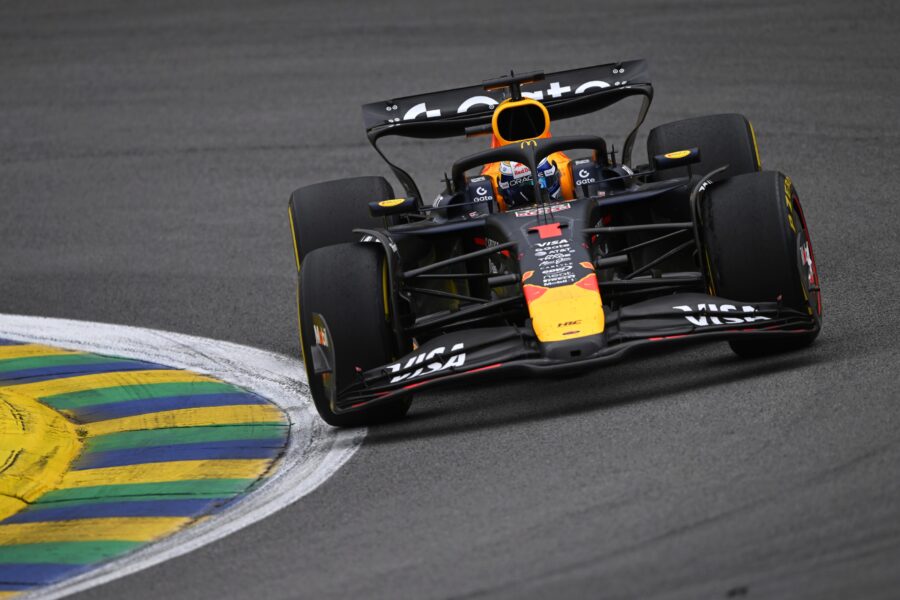
Both teams chase qualifying rotation and race stability on the street surface. Correlation and setup bandwidth decide whether gains carry through traffic, tyre warm-up, and safety car interruptions.
Red Bull refines the floor–sidepod interface to protect underfloor load and stability.
Mercedes and Ferrari choose continuity, focusing on understanding and future events. The risk is ceding ground in sectors demanding efficient downforce, braking stability, and traction over long stints.
Mercedes and Ferrari arrive in Baku with no new parts.
Audi introduces the deepest midfield package. Changes span nose and front wing, front suspension covers, floor, halo, engine cover, rear suspension, brake ducts, beam wing, rear wing, and endplates.
Audi rolls out a multi-component overhaul aimed at consistent cornering downforce.
Williams adds a new floor and tail revisions, plus front-corner bodywork, rear suspension cladding, and rear brake duct parts. Racing Bulls refines front wing, brake ducts, and suspension profiles.
Cadillac tweaks brake cooling geometry and diffuser winglets. Aston Martin, Haas, and Alpine bring no updates, prioritising reliability and setup refinement for the weekend’s evolving conditions.
Track characteristics reward efficient aero and braking confidence. Expect volatile qualifying, with slipstream effects on the main straight and traffic complicating tyre preparation across short runs.
McLaren’s drivers, including Lando Norris, must validate gains through practice runs. Work undertaken on Thursday will inform risk appetite on ride heights and wing level.
Away from the garages, paddock narratives track setup trends and reliability flags. See our Baku paddock stories for context as the weekend develops.
Visual Summary
➤
➤
McLaren
8upgrades
8upgrades
Red Bull
5upgrades
5upgrades
Moving ahead
2026 Azerbaijan GP
Baku City Circuit
Baku City Circuit
Sep 26, 2026 · Fast straights, tight corners
NO
⟁
Mercedes
no updates
no updates
Ferrari
no updates
no updates
Status quo
McLaren
Sidepod, Floor, Diffuser, Engine Cover, Rear Wing…
▲ 8 Updates
Red Bull
Floor, Sidepod, Diffuser, Mirrors, Halo
▲ 5 Updates
Audi
Most extensive non-top team
9 areas
Williams
New floor, aero, suspension
5 updates
Racing Bulls
Front wing, brake ducts
3 updates
Cadillac
Brake & diffuser tweaks
McLaren
VS
Red Bull
⭑
Upgrade Duel
Pressure on: Mercedes & Ferrari
Must maximize old setups
🛣️
Who will conquer the street?
⚡
Who will conquer the street?
⚡
Lando Piastri
Will he unleash McLaren’s upgrades on Baku’s edge?
Find out how Piastri’s pushing the limits →
Will he unleash McLaren’s upgrades on Baku’s edge?
Find out how Piastri’s pushing the limits →
The upgrade wave grows: Will fresh packages decide the title?

Daniel Miller reports on Formula 1 Grand Prix weekends with race-day analysis, team-radio highlights, and point-standings updates. He explains power-unit upgrades, aerodynamic developments, and driver rivalries in straightforward, SEO-friendly language for a global F1 audience.