
https://shop.fervogear.com/cart


How Racing Teams Organize Suit Sizing Across Driver Lineups
Discover how racing teams organize suit sizing for multiple drivers to ensure proper fit, comfort, and safety within their lineups.

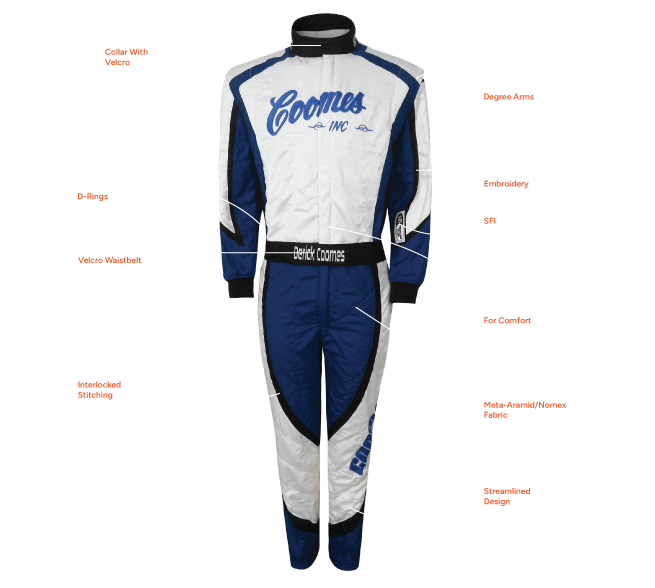
Proper suit sizing is a critical aspect of racing teams’ preparations for their driver lineups. Race suits are one of the vital pieces of gear drivers rely on—not only for comfort and performance but also for safety. Managing suit sizing across multiple drivers involves careful coordination, measurement, and planning. In this article, we explore how racing teams organize suit sizing to help drivers perform their best on the track.
Why Suit Sizing Matters in Racing
Race suits provide drivers with protection, fire resistance, and comfort under intense conditions. An ill-fitting suit can limit mobility, reduce comfort during long races, or even pose safety risks if excessively loose or tight. For teams supporting several drivers, each with unique body types and preferences, organizing suit sizing efficiently is essential.

Additionally, race suits often must meet specific standards set by sanctioning bodies, so teams carefully manage suit specifications alongside sizing.
Initial Measurements and Driver Profiles
The first step in organizing suit sizing is to collect precise measurements from each driver. Teams typically gather the following data:
- Height
- Chest circumference
- Waist size
- Inseam length
- Arm length
- Shoulder width
- Neck size
Many teams maintain detailed driver profiles that include these measurements, along with preferences for fit (e.g., snug or slightly loose), which informs decisions when ordering or altering suits. Periodic re-measurement can be important since drivers’ sizes may change over time due to training or other factors.
Choosing Between Custom and Off-the-Shelf Suits
Teams must decide whether to outfit drivers with custom-made suits or off-the-shelf options:
- Custom suits: Tailored specifically to the driver’s measurements, offering optimal fit and comfort. Custom suits require lead time for manufacturing and can be adjusted for driver preferences.
- Off-the-shelf suits: Available in standard sizes and can be altered slightly if needed. Off-the-shelf suits offer shorter delivery times and may be more cost-effective for some teams.
Depending on team size, budget, and driver needs, a mixed approach might be used. FervoGear supports teams with various options to fit unique lineups.
Managing Suit Inventory and Rotation
For teams with multiple drivers, managing suits involves tracking available sizes and ensuring suits are ready before each event. Best practices include:
- Maintaining an inventory log with suit sizes and assigned drivers.
- Scheduling fitting sessions well ahead of race weekends.
- Keeping backup suits or spare components (such as gloves or undersuits) in various sizes.
- Monitoring suit wear and tear, and planning replacement or repairs when necessary.
Effective inventory management helps prevent last-minute sizing issues that can affect driver comfort or compliance.
Alterations and Adjustments
Even with accurate measurements, some drivers may require minor adjustments to their suits. Skilled tailors familiar with racing gear can alter elements like sleeve length, crotch fit, or torso width. Teams typically arrange:
- On-site fitting and alteration services at major events.
- Pre-race fitting sessions at the team shop.
- Clear communication with drivers about comfort or mobility concerns.
These refinements ensure drivers have suits that support their performance without distraction.
Collaborating with Drivers and Suppliers
Communication is key when organizing suit sizing:
- Drivers: Providing feedback about suit fit and comfort helps teams make better-informed choices.
- Suit suppliers: Reliable partners like FervoGear work closely with teams to accommodate sizing needs and tailoring requirements.
- Compliance officers: Ensuring suits meet any applicable regulations per sanctioning bodies by checking current rulebooks is the team’s responsibility.
Practical Checklist for Racing Teams Organizing Suit Sizing
- Collect detailed driver measurements and maintain updated profiles.
- Decide between custom, off-the-shelf, or hybrid suit options.
- Schedule and perform thorough fitting sessions ahead of events.
- Maintain suit inventory logs and track suit conditions.
- Arrange for timely alterations and repairs.
- Communicate regularly with drivers and suppliers regarding fit and preferences.
- Verify suit compliance with current sanctioning body regulations.
Conclusion
Successfully organizing suit sizing across a driver lineup requires attention to detail, ongoing communication, and good relationships with suit suppliers like FervoGear. By carefully managing measurements, inventory, and alterations, racing teams provide drivers with suits that enhance comfort and performance, enabling them to focus on the race ahead.
For teams and drivers seeking more information on race suits and sizing options, consulting with specialized suppliers and checking the latest safety regulations is recommended.