
https://shop.fervogear.com/cart


Why Correct Sleeve and Cuff Fit Matters in a Racing Suit
Proper sleeve and cuff fit in a racing suit ensures comfort, prevents hazards, and enhances driver performance on the track.

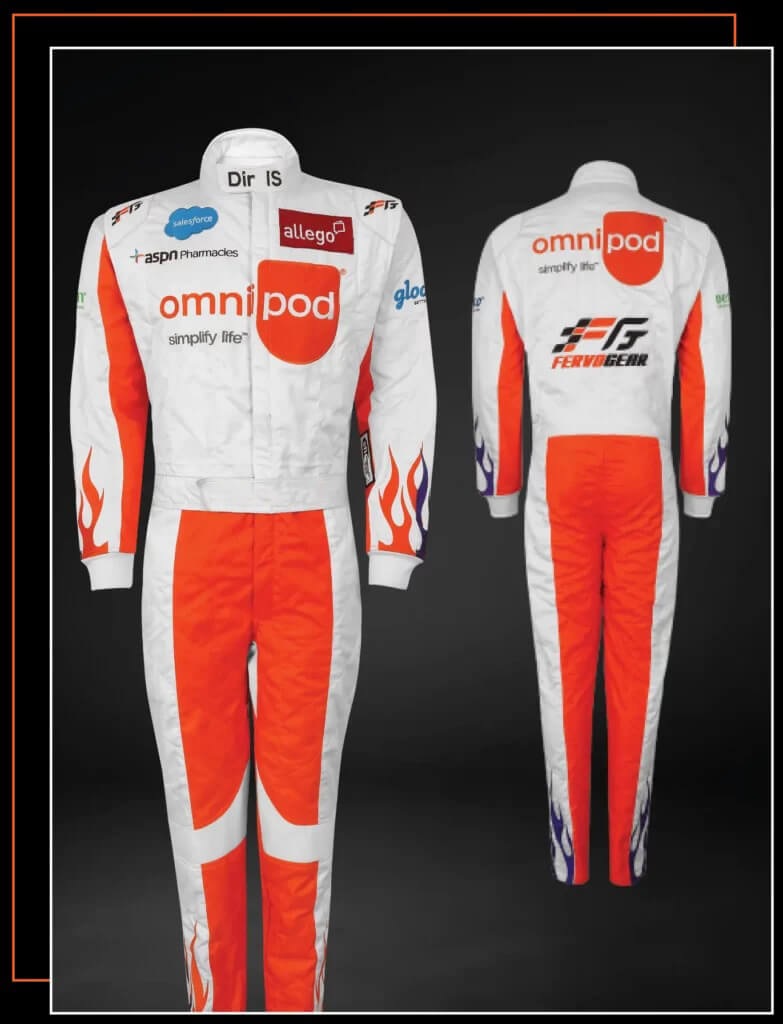
When it comes to racing suits, every detail matters — from the fabric to the fit. While much attention is often given to overall suit size and protection level, the fit of the sleeves and cuffs is equally important. Proper sleeve and cuff fit can impact driver comfort, safety, and performance on the track. In this article, we explore why these elements matter and offer practical advice for drivers and teams selecting their racing gear.
Understanding Sleeve and Cuff Fit in Racing Suits
The sleeves of a racing suit protect a driver’s arms, while the cuffs secure the sleeve ends around the wrists. Together, they serve essential functions:

- Protection: Racing suits are designed to shield drivers from fire, abrasion, and heat. Properly fitting sleeves ensure the protective material remains in place where it’s needed.
- Comfort: Ill-fitting sleeves can be restrictive or allow excess material to bunch, causing discomfort and distraction.
- Functionality: Well-fitted cuffs help seal out elements and keep gloves securely positioned.
Why Sleeve Fit Is Critical
The sleeve length and circumference affect both movement and safety. Too long or too loose, and sleeves can bunch up, interfere with steering, or even catch on controls. Too short or tight, and the driver may experience restricted arm movement or skin irritation.
Risks of Incorrect Sleeve Length
- Reduced Protection: Sleeves that ride up can expose skin during a crash or fire.
- Interference: Excess sleeve material can get caught on steering wheels, dashboard controls, or safety harnesses.
- Discomfort: Sleeves that are too tight limit mobility and may cause chafing.
Why Proper Cuff Fit Matters
Cuffs are the interface between the suit and gloves. Their fit and design influence the overall sealing of the suit and driver comfort.
Benefits of Well-Fitting Cuffs
- Enhanced Safety: Proper cuffs reduce the chance of heat, flames, or harmful materials entering between glove and suit.
- Improved Comfort: Snug cuffs prevent the sleeve from sliding up during driving or in an accident.
- Better Control: Secure cuff fit helps keep gloves in place, ensuring better steering and pedal control.
Potential Issues with Poorly Fitted Cuffs
- Loose cuffs can allow foreign objects or debris into the suit.
- Tight cuffs may be uncomfortable or restrict blood circulation.
- Wear and Tear: Improper cuffs can degrade faster due to excessive movement or incorrect sizing.
Practical Tips for Achieving Correct Sleeve and Cuff Fit
When selecting or fitting a racing suit, consider these practical pointers to ensure an optimal sleeve and cuff fit:
1. Measure Carefully
- Measure arm length from shoulder to wrist while bending your elbow slightly to mimic driving posture.
- Check wrist circumference where the cuff will sit.
2. Consider Movement
- Try on the suit and simulate driving motions to confirm sleeves do not restrict mobility.
- Ensure cuffs stay in place during arm extension.
3. Coordinate with Gloves
- Test gloves worn over the suit cuffs to assess seal integrity and comfort.
- Ask about cuff designs—some suits feature elastic, hook-and-loop closures, or stretch panels for improved fit.
4. Consult Rulebooks
- Regulatory bodies often specify sleeve and cuff requirements for safety and compliance.
- Always check the current rulebook of your sanctioning body to ensure your suit meets necessary standards.
5. Work with Experienced Suppliers
- Fitting a suit through an experienced provider like FervoGear ensures access to professional guidance and customization options.
- Discuss your racing discipline to get recommendations suited for your needs.
Maintaining Sleeve and Cuff Fit Over Time
Racing suits are an investment, and maintaining proper sleeve and cuff fit requires attention:
- Regularly inspect seams and fabric for wear near cuffs.
- Address any fit issues as suit fabric can stretch or shrink with time and cleaning.
- Store suits properly, avoiding folding in ways that could deform sleeves or cuffs.
Conclusion
The sleeve and cuff fit of a racing suit may seem like minor details but are crucial for driver comfort, safety, and performance. Prioritizing the right fit helps ensure protective coverage remains in place, movements are unimpeded, and the driving experience is as comfortable as possible. Drivers and teams should measure carefully, consider their unique needs, and consult relevant safety guidelines when selecting suits. Working with trusted suppliers like FervoGear can provide expert support to get the best fit for every driver’s unique profile and racing demands.
Remember, always verify your suit’s specifications against your specific sanctioning body’s latest rulebook for compliance.