

https://shop.fervogear.com/cart

What a Racing Driver Should Check Before Putting On a Fire Suit
Essential checklist for racing drivers to verify safety and comfort before donning their fire suits. Ensure compliance and readiness every time.

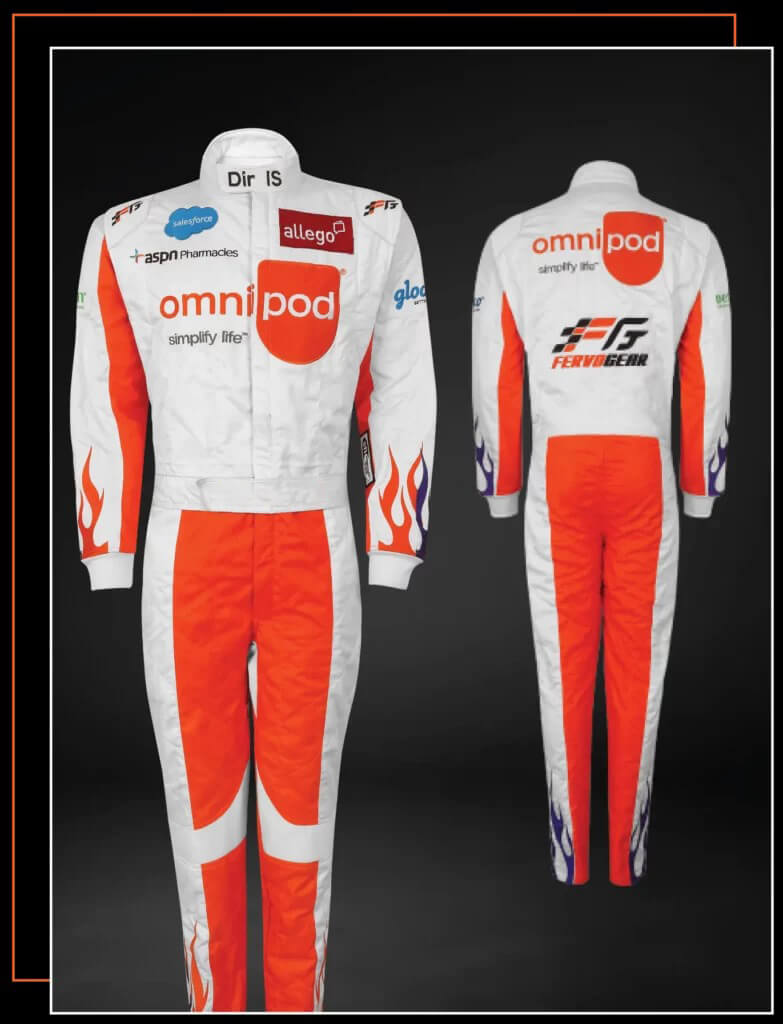
For racing drivers, putting on a fire suit is a critical step in race preparation. This essential garment serves as a vital barrier against fire and heat during an emergency, helping to protect the driver from serious injury. However, before stepping into the car, it’s important to perform a series of checks to ensure the suit is in proper condition and worn correctly. This article outlines what every racing driver should check before putting on a fire suit to maximize safety, comfort, and compliance.
Inspect the Fire Suit for Visible Damage
Before donning your fire suit, carefully examine it for signs of wear or damage. Fire suits can degrade over time and with repeated use, potentially compromising their protective qualities.

- Look for tears, holes, or worn fabric. Any damage to the outer layer or inner lining can reduce flame resistance.
- Check for loose stitching or seams. Weak seams can unravel and reduce coverage.
- Examine for stains or chemical exposure. Certain chemicals might deteriorate fire retardant properties.
If you find any issues, consider repair by a professional or replacement. Never use a damaged fire suit in competition or practice.
Verify the Suit’s Certification and Compliance
Racing fire suits must meet specific standards dictated by the sanctioning body governing your series or event. These certifications ensure the suit provides tested flame-resistant protection.
- Check the certification labels inside the suit. Look for recognized standards such as FIA 8856-2000, SFI 3.2A/5, or other relevant approvals.
- Confirm the certification is current. Fire suit certifications may expire or be updated over time.
- Consult your racing organization’s rulebook. Requirements can vary, so review the latest regulations before racing.
Always ensure your fire suit complies with the standards required for your race to avoid disqualification and maintain optimal safety.
Ensure Proper Fit and Comfort
Fit is crucial both for safety and driver comfort. An ill-fitting fire suit can restrict movement, cause discomfort, or fail to provide adequate protection.
- Try on your fire suit before race day. Confirm that it fits snugly but allows free movement.
- Check sleeve and pant lengths. Sleeves should reach wrists without riding up; pant legs should reach the ankles.
- Wear any intended base layers during the fitting. Fire-resistant underwear and socks add thickness and may affect fit.
- Move around to test flexibility. Practice sitting in your racing seat while wearing the suit to replicate race conditions.
If the suit feels too tight or loose, adjustments or a different size may be necessary.
Inspect Fasteners and Closures
Fire suits use zippers, Velcro, and snaps to secure the suit fully. These components must function properly to ensure full coverage.
- Test the zipper: It should move smoothly and lock in place without catching fabric.
- Check Velcro strips: They should firmly hold and not peel off easily.
- Examine snaps or buttons: Make sure they fasten securely and are intact.
Broken or malfunctioning closures can expose skin and defeat the fire suit’s protection.
Prepare Additional Fire-Resistant Gear
The fire suit is only one piece of the protective ensemble. It’s important to have compatible, fire-resistant accessories.
- Fire-resistant gloves: Check for fit and condition.
- Balaclava or head sock: Inspect and confirm flame resistance.
- Socks and shoes: Should comply with fire safety recommendations for your series.
- Helmet compatibility: Ensure your helmet fits comfortably over the head protection layers.
Test putting on all gear together to confirm comfort and no interference.
Practice Proper Fire Suit Donning Technique
Putting on your fire suit correctly is important for maximizing its protective function and comfort.
- Put on base layers first. Start with fire-resistant underwear and socks.
- Step into the suit carefully. Avoid pulling or stretching fabric unnecessarily.
- Fully zip and fasten all closures. Double-check each layer is secured without folds or gaps.
- Adjust collars and cuffs. These should seal without being too tight.
Having a routine can ensure no steps are missed when preparing for race sessions.
Regular Maintenance and Suit Care
Caring properly for your fire suit extends its useful life and maintains protection.
- Follow manufacturer cleaning instructions. Typically, gentle washing with recommended detergents is advised.
- Store the suit in a cool, dry place. Avoid prolonged exposure to sunlight or moisture.
- Inspect after each use. Look for accumulation of dirt, burns, or damage.
Routine maintenance protects your investment and helps ensure the suit works when you need it.
Conclusion
Before you get behind the wheel, taking the time to thoroughly check your fire suit should be a non-negotiable step. From inspecting for damage to verifying certification and fit, and preparing all associated gear, a conscientious approach increases your safety on track. At FervoGear, we encourage every driver and team to build consistent pre-race gear checks into their routine to protect what matters most: the driver. Always consult the latest rulebooks for your racing series and prioritize quality fire suits and maintenance to stay protected and confident every time you race.