

https://shop.fervogear.com/cart

How Racing Drivers Should Layer Fire-Resistant Undergarments
Learn best practices for layering fire-resistant undergarments to stay protected and comfortable during races. Essential tips for racing drivers.

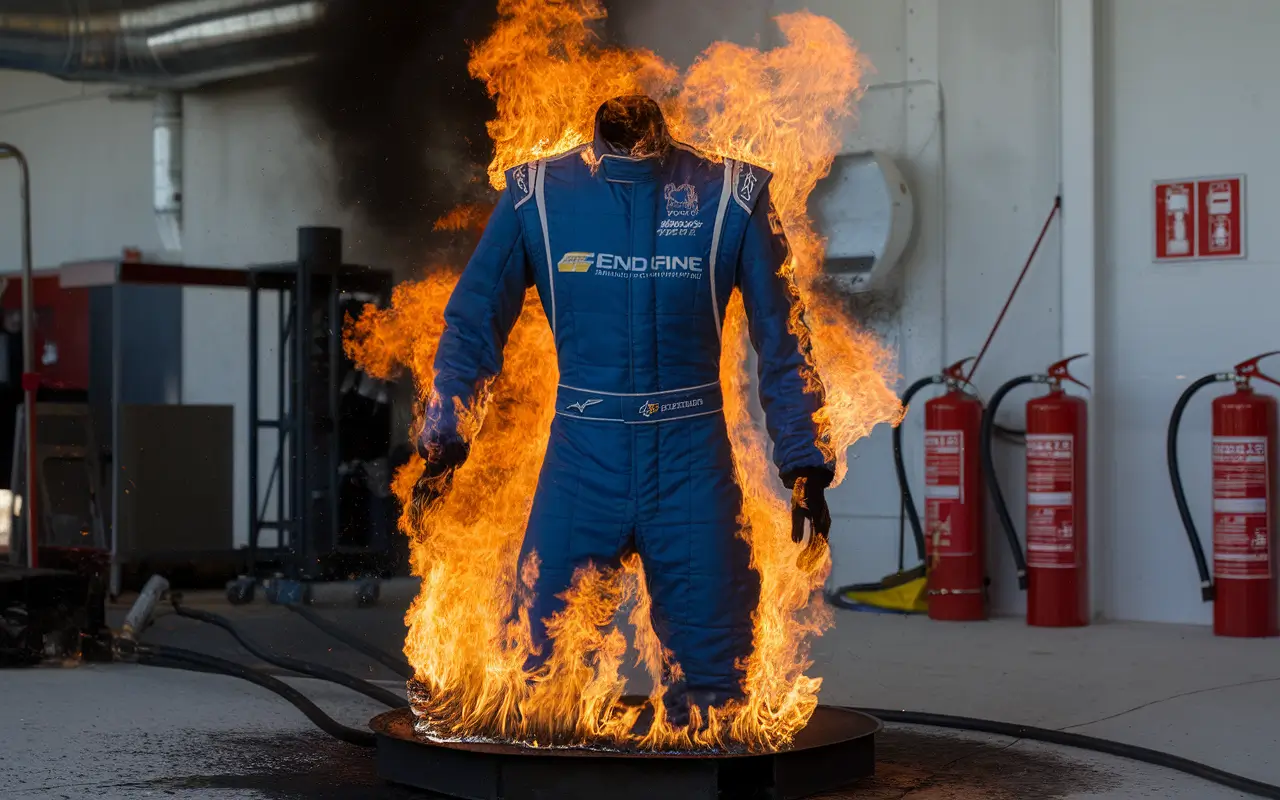
Racing drivers rely on fire-resistant gear to protect themselves in high-risk environments where the threat of fire is real. One key component of this protective ensemble is the proper layering of fire-resistant undergarments. This article explores how drivers can approach layering these garments effectively to maximize safety, comfort, and compliance with racing regulations.
Understanding Fire-Resistant Undergarments
Fire-resistant undergarments serve as the first line of defense beneath your race suit. They are made from specialized materials designed to resist ignition and reduce burn injuries. Often, these garments include long-sleeved shirts and pants that fit snugly to create a protective barrier.

Since heat and moisture can build up quickly during a race, it’s crucial to select undergarments that offer both fire resistance and breathability.
Why Layering Matters
Layering isn’t just about adding bulk for warmth. With fire-resistant undergarments, layering strategically enhances thermal protection and can improve comfort by wicking away sweat. However, improper layering might restrict movement or even compromise safety by creating hot spots.
Benefits of Proper Layering
- Enhanced thermal protection by increasing the barrier thickness against heat and flames.
- Improved moisture management to keep skin dry and reduce discomfort.
- Better fit under the race suit, minimizing bunching or irritation during driving.
Recommended Layering Strategy
Professional advice for layering fire-resistant garments generally includes the following steps:
1. Start with a Base Layer
The base layer should be a lightweight, fitted fire-resistant shirt and long underwear. This layer prioritizes moisture-wicking and comfort. Materials commonly used include Nomex or other flame-retardant fibers approved for racing.
2. Add Additional Layers as Needed
If conditions require extra insulation, an additional fire-resistant mid-layer can be worn. This could be a light fleece or an extra Nomex shirt. Keep in mind that too many layers might restrict movement or cause overheating.
3. Consider Climate and Conditions
In cooler weather, having two layers could be beneficial, but for hot climates, a single high-quality base layer may suffice. Your goal should be to balance fire protection and temperature regulation.
4. Ensure Proper Fit
Undergarments should fit snugly but not constrictively. Loose layers can bunch up and reduce protection effective. Layers should not alter the proper fit of your race suit.
Practical Checklist for Layering Fire-Resistant Undergarments
- Verify that all undergarments meet or exceed fire-resistance requirements as per your sanctioning body’s current rulebook.
- Choose materials designed specifically for fire protection, like Nomex or equivalent.
- Begin with a fitted base layer emphasizing moisture-wicking and comfort.
- Use only one additional mid-layer if necessary and appropriate for conditions.
- Try on all layers with your race suit to ensure no restriction or bunching.
- Replace undergarments regularly to maintain integrity and performance.
- Consult your team or technical experts if uncertain about layering guidelines.
Important Safety Considerations
While layering can improve protection, always check the current regulations of your racing sanctioning body. Some organizations specify limits on the number of layers or particular certifications required for undergarments. Failure to comply can lead to penalties or invalidated insurance coverage.
Never compromise on quality or fit for the sake of convenience. Racing drivers should also ensure that all fire-resistant clothing is well-maintained, cleaned according to manufacturer instructions, and inspected regularly for wear and tear.
Integrating FervoGear Fire-Resistant Undergarments
At FervoGear, our fire-resistant undergarments are designed to offer excellent breathability and protection, making them ideal for layering. Drivers can select from options tailored to their needs—whether they require just a base layer or additional insulation.
Proper layering with the right materials can significantly contribute to driver safety and comfort on race day. Remember, meticulous preparation behind the scenes plays an essential role in on-track performance.
Final Thoughts
Layering fire-resistant undergarments correctly is a crucial step for racing drivers seeking maximum protection and comfort. Start with a high-quality base layer, add layers thoughtfully based on conditions, and always comply with current safety regulations. By paying close attention to fit, fabric, and layering strategy, drivers can focus confidently on their race knowing their safety gear works reliably.