https://shop.fervogear.com/cart
What a Designer Needs for Your Custom Racing Suit Mockup
Learn the key information to provide a designer for an accurate custom racing suit mockup, ensuring your suit fits and reflects your style perfectly.

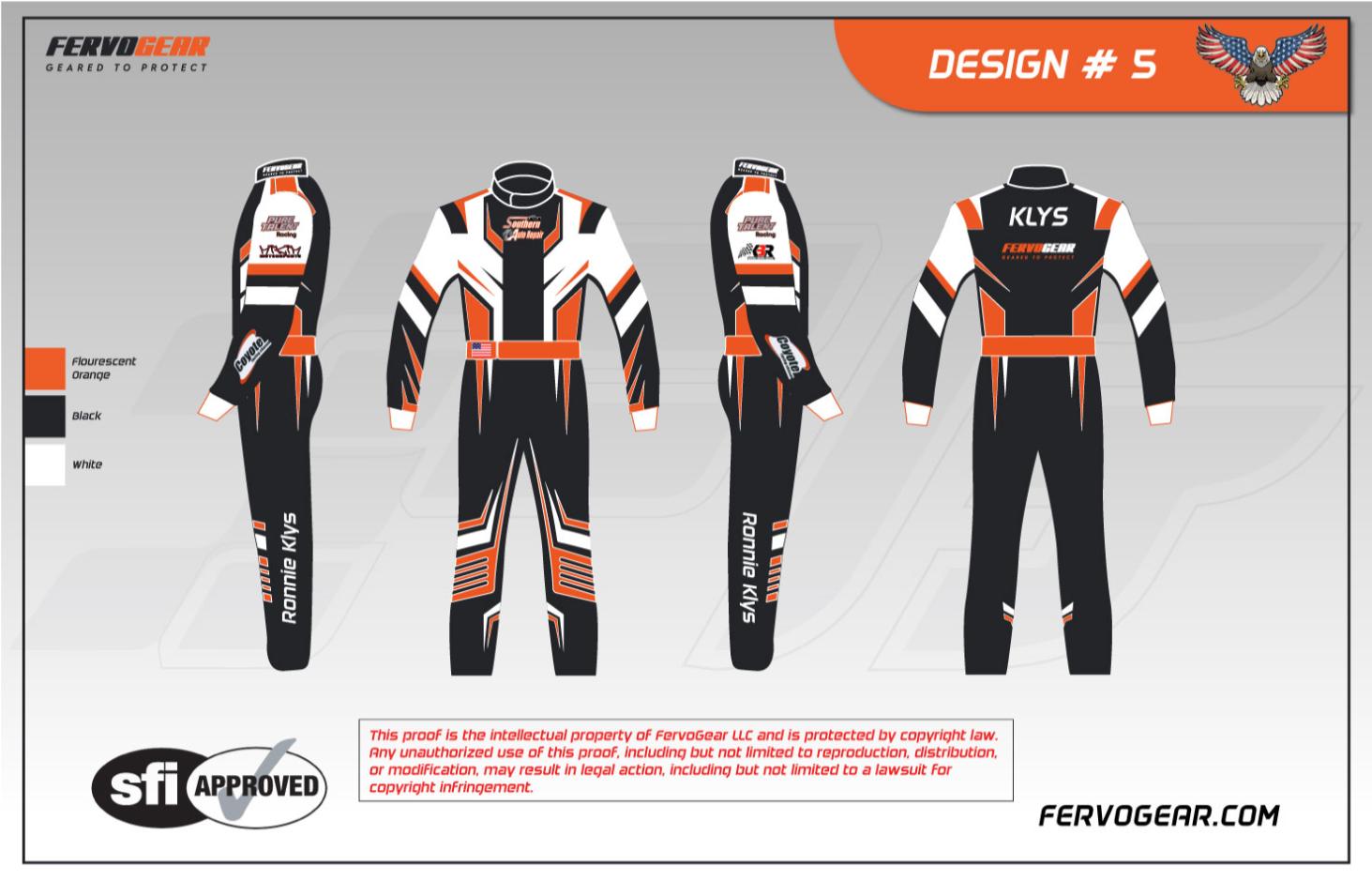
Getting a custom racing suit is an exciting step for any driver or team looking to combine safety, comfort, and personal style on the track. A vital part of this process is the design mockup, which provides a visual representation of your finished suit before production. To ensure the mockup accurately reflects your needs, you must provide key information to the designer. In this article, we’ll outline what designers need to create an effective custom racing suit mockup and help you prepare for a smooth design process with FervoGear or any custom suit provider.
Why the Mockup Matters in Custom Racing Suit Design
The mockup serves several important functions: it gives you a clear preview of the suit’s graphics, colors, and branding; it helps confirm measurements and fit preferences; and it provides a platform for revisions before finalizing production. Because racing suits can be a significant investment and must comply with safety regulations, making sure your mockup is detailed and accurate can save time and avoid costly changes.
Key Information Designers Need for a Custom Racing Suit Mockup
A designer relies on precise and comprehensive information to create a mockup that meets your expectations. Below is a checklist of critical elements to gather before starting the design phase:
1. Accurate Measurements
Proper fit is crucial for comfort and safety. Provide the designer with consistent and accurate measurements such as chest, waist, hips, inseam, sleeve length, shoulder width, and height. If possible, have these measurements taken professionally or consult a sizing guide from your suit manufacturer like FervoGear to ensure precision.
2. Style Preferences and Suit Cut
Inform your designer about the style of racing suit you prefer—whether it’s a one-piece or two-piece design, and the type of fit (e.g., slim, regular, or loose). Highlight any specific features such as stretch panels, collar style, or pocket placements that impact the visual layout of the suit.
3. Color Palette and Branding
Specify the exact colors you want on your suit, keeping in mind color codes (Pantone or HEX) if you require a precise match. Include details about team logos, driver names, sponsors, and other graphics. Providing high-resolution artwork files or vector logos ensures clean reproduction on the mockup and final suit.
4. Placement and Size of Graphics
Clarify where logos and graphics should appear on the suit and approximate sizing. Discuss whether you want subtle branding or bold, standout elements. Designers often appreciate sketches or references to communicate your vision clearly.
5. Regulations and Compliance Notes
While designers focus on aesthetics, it’s important to mention any sanctioning body or racing series requirements that affect suit design (color restrictions, logo placements, etc.). Always check the latest rulebook for your series and share relevant details so the mockup aligns with those rules.
6. Material Preferences
If you have a preference for certain materials or finishes (matte vs. glossy prints, type of fabric textures), communicate these to the designer. While the mockup will primarily be a graphic representation, understanding the material helps in designing visuals that work well with the fabric characteristics.
Additional Tips for an Effective Mockup Collaboration
To make the most of your custom racing suit mockup process, consider the following practical tips:
- Provide Reference Images: Sharing photos or previous suits you like can help guide the designer’s creativity and avoid misunderstandings.
- Be Clear About Revision Limits: Understand how many revisions are included and communicate changes concisely to expedite the process.
- Ask Questions: Don’t hesitate to ask your designer about technical constraints or recommendations for improving the design.
- Confirm Scale: Ensure the mockup reflects proportional sizing so the design elements appear as intended on the physical suit.
- Consider Visibility: Remember your suit will often be seen at high speeds and varying lighting—contrasting colors and clear logos improve visibility and branding impact.
Conclusion
Designing a custom racing suit mockup is a collaborative process that depends on clear and detailed communication. Providing accurate measurements, color and branding details, style preferences, and compliance notes equips your designer to create a mockup that truly represents your vision and requirements. At FervoGear, we emphasize working closely with drivers and teams to ensure their suits offer both performance and individuality. Before you begin, always double-check the latest regulations relevant to your racing series, and approach the mockup as an opportunity to refine your ideal racing look with confidence.
By preparing the necessary information and maintaining open dialogue, you can achieve a custom suit design tailored perfectly to you, setting you up for success each time you take the track.