

https://shop.fervogear.com/cart

Why Sleeve and Cuff Fit Matters in Racing Suits
Proper sleeve and cuff fit in racing suits ensures optimal comfort, enhances driver safety, and improves performance on the track.

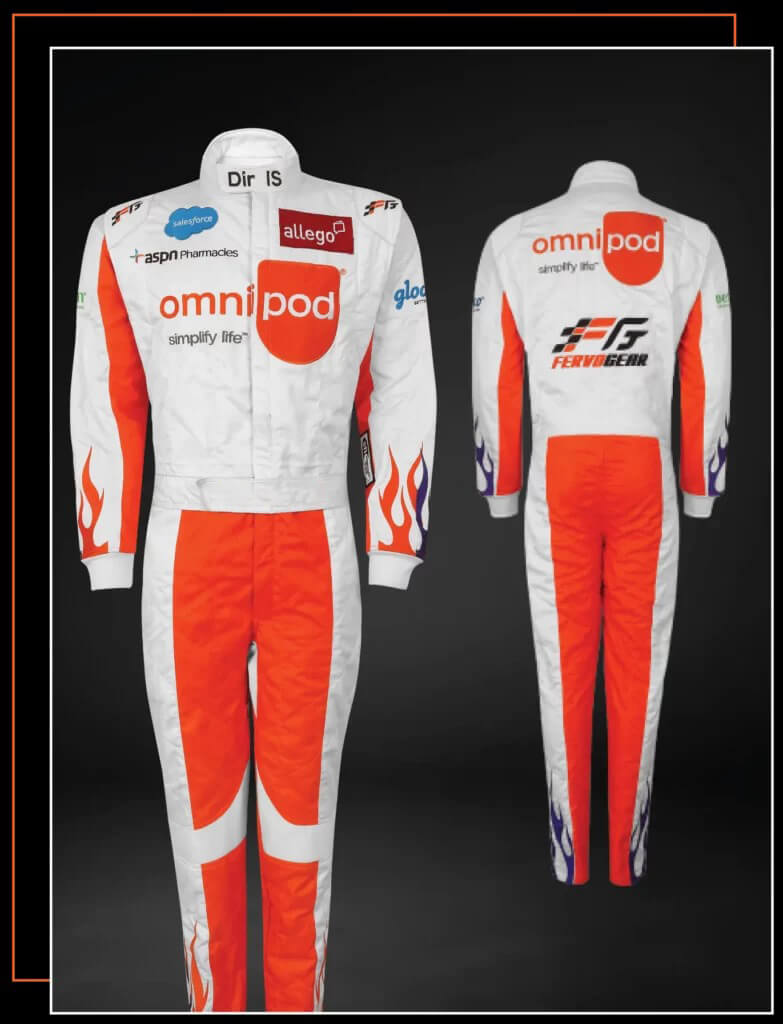
The fit of your racing suit plays a crucial role in your overall comfort and safety on the track. Among the various elements that affect fit, the sleeves and cuffs often receive less attention but are just as important. Understanding why the correct sleeve and cuff fit matters can help drivers make better gear choices and enhance their racing experience.
Comfort and Mobility
Racing demands precise control and quick reactions. Ill-fitting sleeves or overly tight cuffs can restrict your arm movements, causing discomfort and potentially affecting your steering and gear shifting.

Well-fitted sleeves should allow a full range of motion without excess fabric bunching up or sliding down your arms during racing. The cuffs need to be snug but not too tight, ensuring the suit stays in place without cutting off circulation.
Checklist for Comfortable Sleeve and Cuff Fit
- Ensure sleeves reach the wrist without excess length.
- Confirm cuffs fit close to the wrist but don’t feel constricting.
- Move your arms through typical racing motions to check for restrictions.
- Consider adjustable cuffs if available for a tailored fit.
Safety Considerations
Racing suits are designed with safety in mind, often made from flame-resistant materials. While the materials offer protection, the fit of the sleeves and cuffs directly impacts how effectively the suit performs under stressful conditions.
Loose cuffs can allow flames or hot gases to reach the skin, while overly tight cuffs may cause discomfort or blood flow issues. Properly fitted sleeves help shield arms completely and reduce the risk of fabric catching or snagging on equipment.
Always consult the current rulebook of your sanctioning body to ensure your suit complies with specific safety standards, especially regarding sleeve and cuff dimensions.
Professional Appearance
A racing suit that fits well contributes to a professional appearance. Neatly fitting sleeves and cuffs complement the overall look, giving drivers confidence on and off the track. This can also be important for teams when presenting sponsors and maintaining a polished image.
Maintenance and Longevity
Improperly fitting sleeves and cuffs can wear out faster, particularly in areas prone to friction like the wrists. Ensuring the correct fit helps preserve the fabric integrity, extending the lifespan of the suit.
Tips to Maintain Sleeve and Cuff Fit
- Follow manufacturer wash instructions to avoid shrinkage.
- Avoid over-tightening adjustable cuffs to prevent material stress.
- Check seams regularly for signs of wear.
- Consider professional alterations if the fit changes over time.
Choosing the Right Fit with FervoGear
When selecting a racing suit from FervoGear, pay particular attention to sleeve length and cuff fit. If possible, try suits on wearing your usual racing gloves to get an accurate sense of fit and comfort. Our suits are designed to balance protection and mobility, but personal fit preferences can vary.
If you have any doubts about fit, consult our sizing guides or reach out for personalized advice before making a purchase.
Final Thoughts
Correct sleeve and cuff fit in a racing suit is more than just a matter of comfort; it’s an integral part of ensuring safety and optimal performance on the track. By prioritizing these details, drivers can focus on their race with confidence, knowing their gear is working with them.
Always check the latest regulations from your racing authority regarding suit requirements and fit specifications. Investing time to get the right sleeve and cuff fit will reward you with a better racing experience and potentially longer-lasting gear.