
https://shop.fervogear.com/cart

Concerns Rise Over Williams Upgrade as Baku Package Surfaces


Highlights
- Williams introduces lighter chassis and minor aero upgrades for Azerbaijan GP.
- New chassis built with a revolutionary method, but performance unproven.
- Aero tweaks include removing bargeboard stay and refining rear wheel airflow.
- Audi and Red Bull bring major updates aiming to close performance gaps.
- McLaren and Cadillac also introduce upgrades addressing cooling and bodywork issues.
- Williams’ true progress will be measured by on-track performance in Baku.
Williams arrives in Baku with a lighter chassis and minor aero updates, seeking to arrest its difficult 2026 season at the Azerbaijan Grand Prix.
The FW48 has been overweight and uncompetitive despite an off‑season push to rebuild design, manufacturing, and operations across the Grove team.

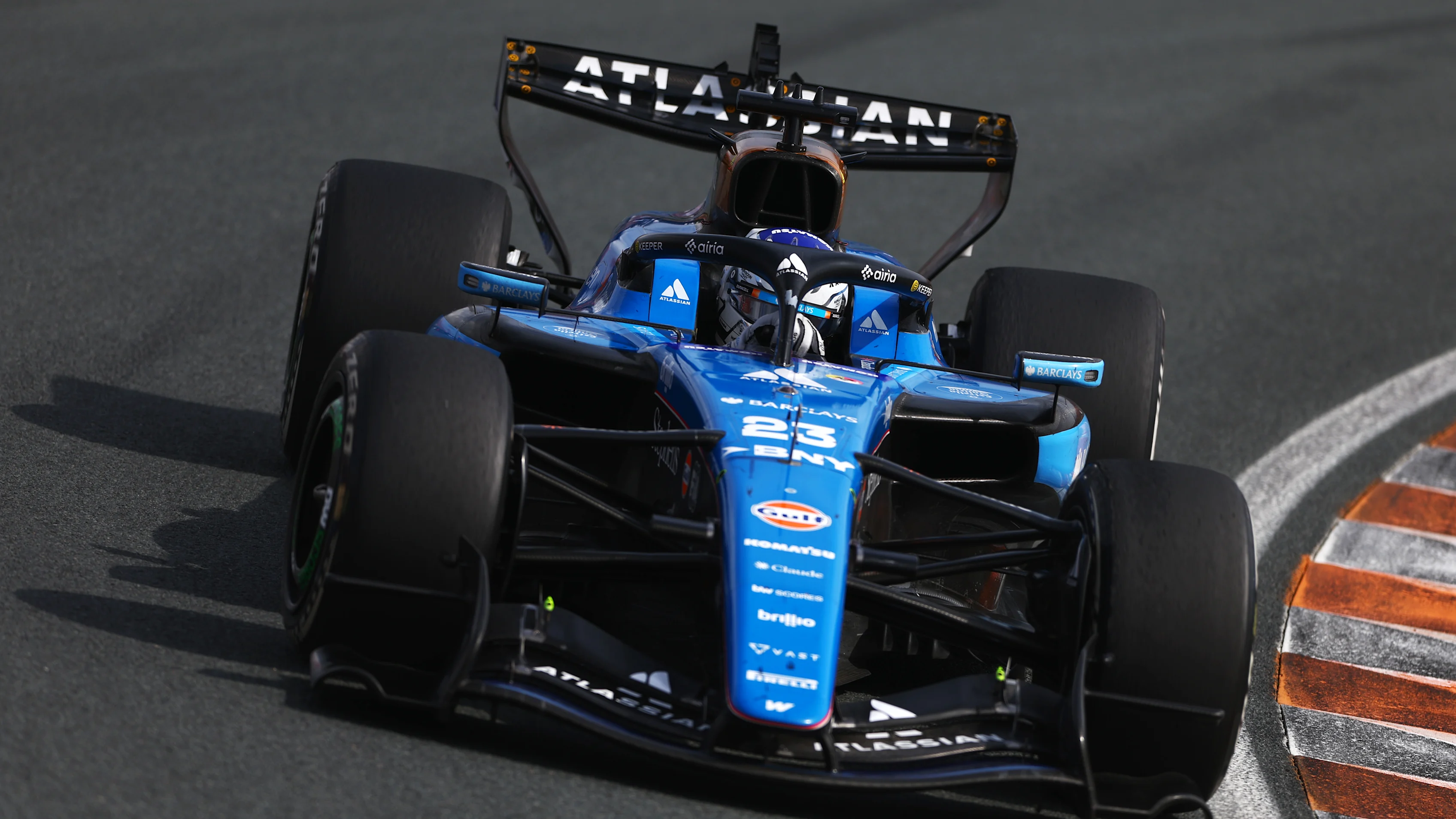
Two new chassis, built using a “revolutionary” method, are lighter. Any advantage will be proven by lap time and tyre usage rather than by visual inspection.
Pursuing novel construction carries risk when fundamentals still need consistent execution under the current regulations and resource constraints.
Williams’ lighter chassis debuts in Baku, produced with a new construction approach that must be validated on track.
Aerodynamically, Williams has removed a stay supporting the bargeboard footplate. Trimming unnecessary structure saves weight, though gains are inevitably small.
Detailing around the rear wheel contact patch now better aligns airflow with the tyre squirt, helping seal the floor locally. There are brake duct tweaks and updated rear suspension cladding.
Rear bodywork has been refined too. These are incremental changes unlikely to close the gap to the midfield leaders, but they should improve efficiency and balance if correlation holds.
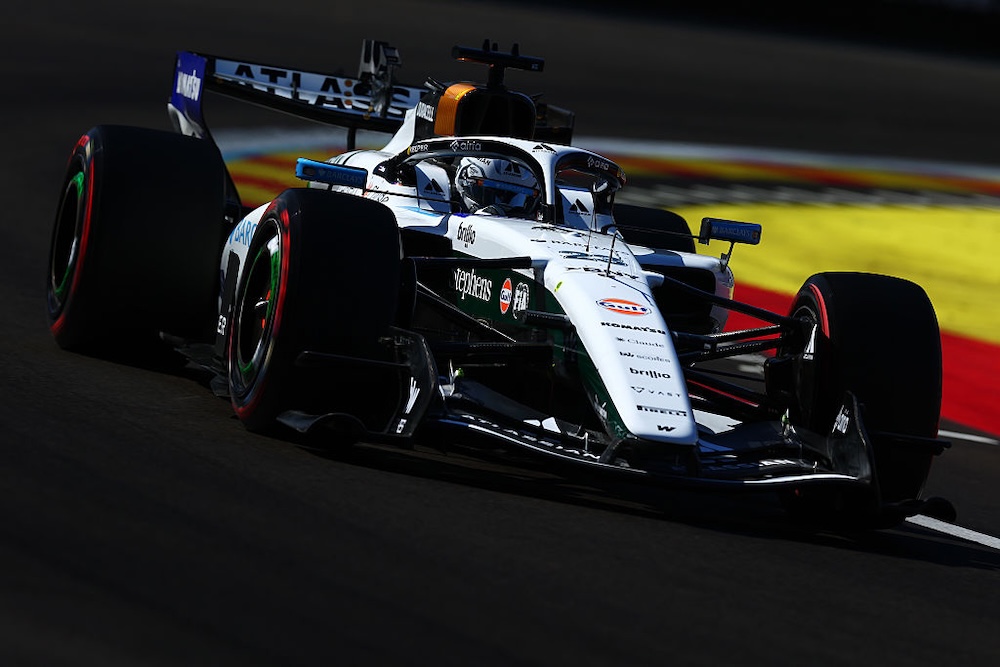
Williams’ aero tweaks are subtle and unlikely to close the midfield gap immediately.
Performance relative to Racing Bulls will be the clearest indicator of progress. That team currently defines the midfield target Williams must reach in Baku.
For wider context, see the Azerbaijan weekend preview, which outlines track demands. A full FW48 package breakdown is also available for those upgrades.
Audi continues its surge, scoring in five of the last six races. The R26 gains a new front wing, nose fairing, suspension tweaks, updated floor, revised bodywork, and rear wing.
Audi’s R26 receives a broad update spanning front wing, floor, bodywork, and rear wing assemblies.
Red Bull targets floor and sidepods to boost downforce and flow. The RB22 adds a sidepod split line, revised floor geometry, tweaked louvres, altered mirror mounts, and reprofiled halo vane.
Racing Bulls brings front wing geometry changes, revised front brake ducts, and updated front suspension legs, continuing its steady refinement push.
Elsewhere, Cadillac updates brake cooling inlets to tackle persistent overheating from its debut season. McLaren introduces a notable bodywork package aimed at improved cooling and aerodynamic consistency.
For Williams, Baku is a critical validation step. Weight reduction and subtle aero tweaks must translate into lap time, straightline efficiency, and better tyre management across the weekend.
Further context on internal challenges is explored in Williams’ recent reflections, while the latest paddock stories capture developments as teams arrive in Baku.
Visual Summary
–13kg
Lighter chassis, but will it deliver?
Hope or Hype?
✂️
Weight Saving
Weight Saving
Aerodynamic tweaks
New chassis
(“revolutionary” method)
WILLIAMS
vs
RACING BULLS
vs
RACING BULLS
Chasing →
Almost every team brought upgrades to Baku.
Williams must prove their risks can bring results on track.
Williams must prove their risks can bring results on track.
Upgrades across the grid: Audi, Red Bull, Racing Bulls, McLaren, Cadillac all in the mix — but all eyes on Williams’ scale-tipping gamble.

Daniel Miller reports on Formula 1 Grand Prix weekends with race-day analysis, team-radio highlights, and point-standings updates. He explains power-unit upgrades, aerodynamic developments, and driver rivalries in straightforward, SEO-friendly language for a global F1 audience.