
https://shop.fervogear.com/cart

Discover Top Tyre Strategy Choices for Azerbaijan Grand Prix Success

Highlights
- George Russell claimed pole position by eight-tenths in Baku qualifying.
- Mercedes showed strong pace; Russell’s fifth pole of the season.
- Race expected to follow a one-stop strategy with varied tire choices.
- New 2026 rules enhance overtaking opportunities via active aerodynamics.
- Energy deployment and tire management crucial on Baku’s tight street circuit.
- Safety cars and weather could heavily influence race strategies and outcomes.
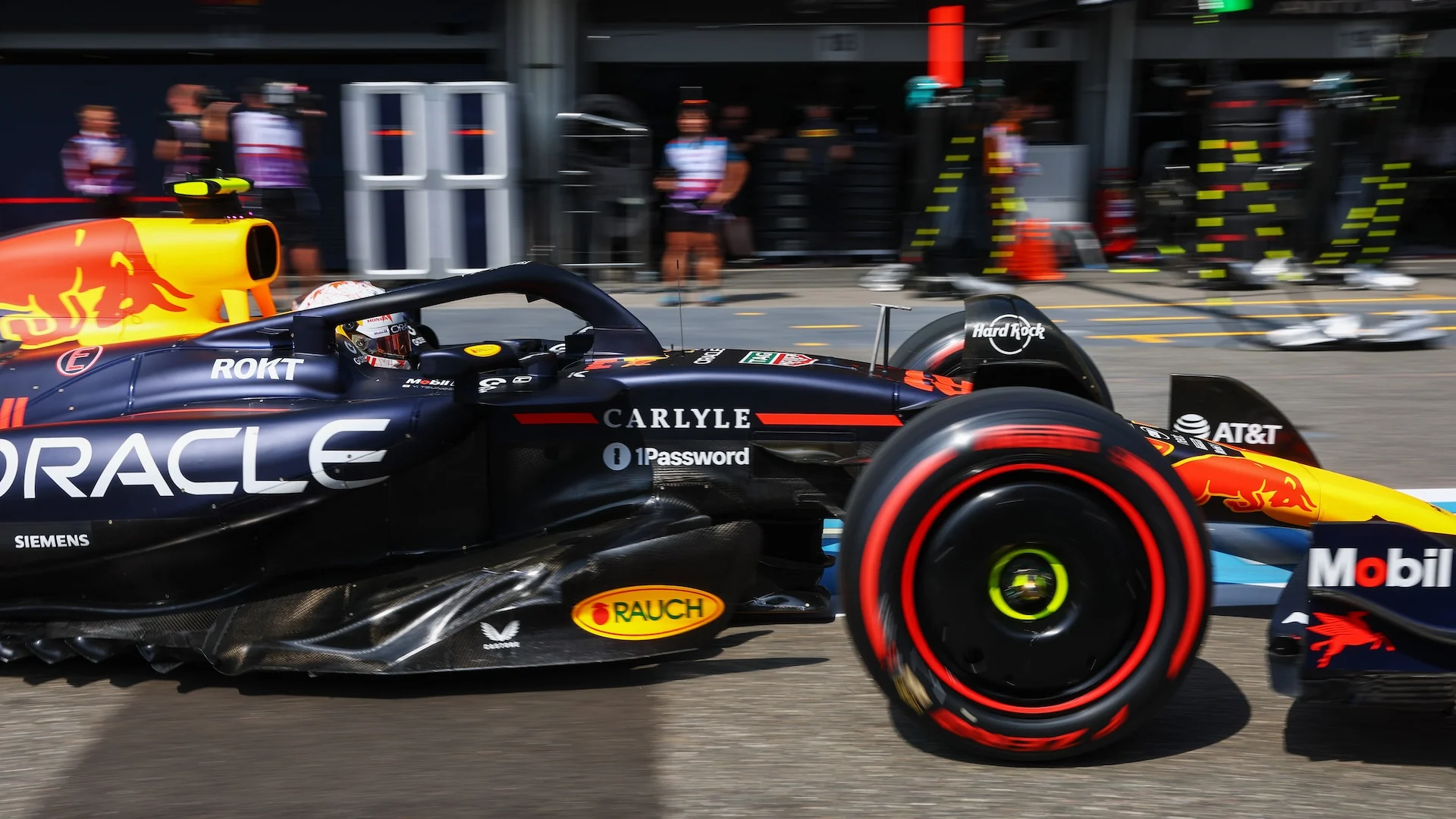
George Russell seized pole in Baku by eight-tenths, setting up a strategy-led 2026 Azerbaijan Grand Prix. Mercedes’ margin frames a race likely decided by tyre choices and incident management.
It is Russell’s fifth pole of the season, achieved after Kimi Antonelli’s Q1 crash. Charles Leclerc starts second, the deficit underlining Mercedes’ pace on Baku’s punishing street layout.

Strategy modelling points to a one‑stop race, with soft, medium, and hard all viable. For broader context, see the Azerbaijan GP weekend hub covering tyre selections and stint profiles.
Overtaking prospects improve under 2026 rules. Active aerodynamics and freer energy deployment should extend passing zones, especially here. The starting order remains influential, but tools to attack have expanded.
Energy use down the main straight, and into Turn 1, will be decisive. Against that backdrop, the starting grid could reshuffle if deployment windows are exploited smartly.
George Russell’s pole came by eight-tenths, the largest qualifying gap of the weekend.
Opening on softs offers track position, then handing over to mediums or hards. The inverse—starting hard, finishing soft—could unlock late-race grip, especially if a neutralisation compresses the pack.
Baku’s extremes stress tyres. Long flat‑out sections spike temperatures before slow corners demand traction. Balancing abrasion against graining risk will dictate out‑lap aggression and stint length.
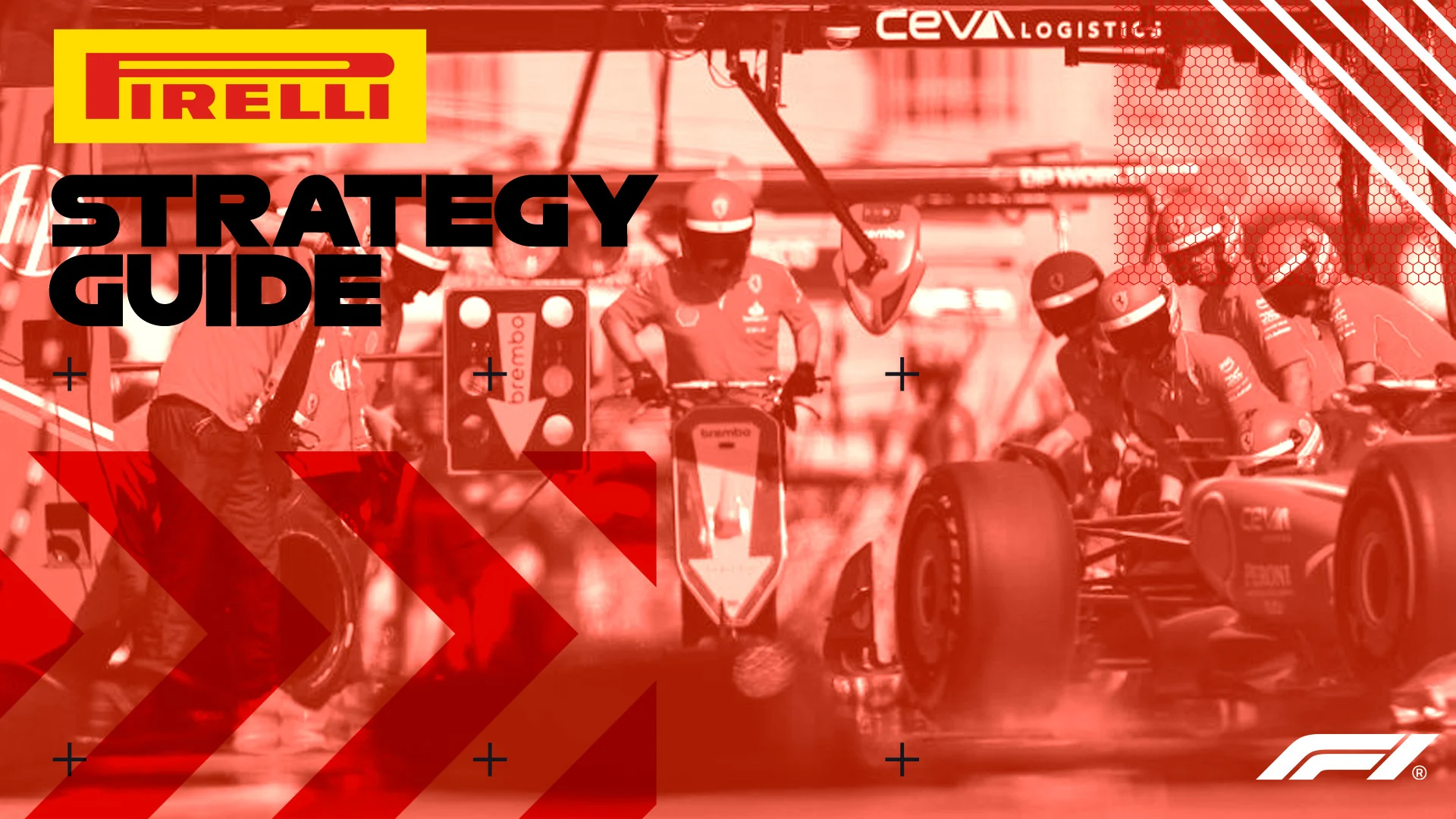
Safety cars are frequent here, so flexibility matters. Wide windows enable opportunistic stops, while limited warm‑up on hards can punish mistimed calls. Undercuts may be marginal along Baku’s long straights.
All three tyre compounds are in play, with wide pit windows encouraging reactive calls.
Weather could swing the balance between softness and durability. Teams track the weather forecast to time stops and manage brake and PU cooling.
Mercedes carries the benchmark, yet Ferrari and others can threaten by splitting strategies. Leclerc’s pace suggests pressure if degradation bites, particularly in traffic after the first round of stops.
Active aero and new energy rules in 2026 should widen overtaking opportunities into Turn 1.
For broadcast times and live coverage options, the Azerbaijan Grand Prix watch guide outlines how to follow the race across key markets.
Expect a contest defined by execution and adaptability. The team best at managing tyres, deployment, and caution periods should control track position when it matters most.
Visual Summary
+0.8s
Russell’s
Pole Stunner
Pole Stunner
3️⃣
Tire Choices
Soft, Medium, Hard
Soft, Medium, Hard
⚡️
Energy Battles
Active Aero & Deploys
Active Aero & Deploys
Baku turns into a strategic maze for 2026 —
With Russell on pole, a shattered favorite, and three tire paths to choose from, the race becomes a game of tactical mind-games and electric boosts. The only straight line is down to Turn 1. Everything else is up for grabs.
With Russell on pole, a shattered favorite, and three tire paths to choose from, the race becomes a game of tactical mind-games and electric boosts. The only straight line is down to Turn 1. Everything else is up for grabs.
S = Soft tire
M = Medium
H = Hard
💥 = Antonelli crash
M = Medium
H = Hard
💥 = Antonelli crash

Daniel Miller reports on Formula 1 Grand Prix weekends with race-day analysis, team-radio highlights, and point-standings updates. He explains power-unit upgrades, aerodynamic developments, and driver rivalries in straightforward, SEO-friendly language for a global F1 audience.