Lewis Hamilton expects no grid penalties for 2026 season.
Hamilton’s power unit remains in good shape after Madrid retirement.
Other drivers like Norris and Russell have faced penalties.
Ferrari plans engine upgrades, Leclerc may face penalties soon.
Hamilton benefits from limited engine mileage on recent races.
Team will monitor performance and decide on penalties later.
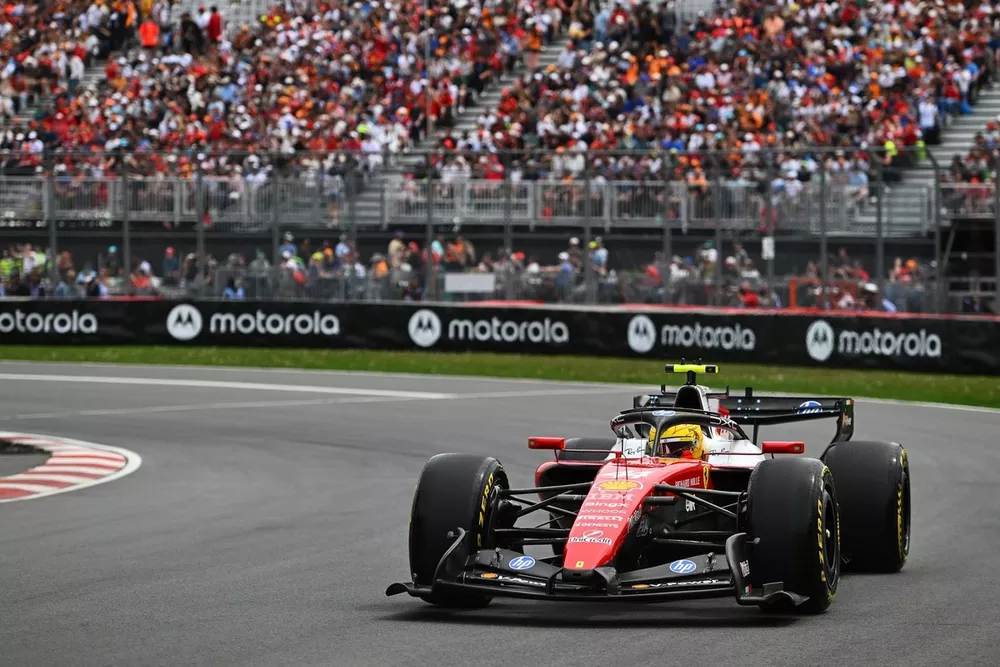
Lewis Hamilton says he does not expect to take a grid penalty for the rest of the 2026 season, following his early retirement in Madrid that reduced engine mileage.
The Ferrari driver reports his power unit pool remains healthy. Lower usage at Madrid limits wear across components and keeps him within the allocation set by the sporting regulations.
Image Credit: RacingNews365
Elsewhere on the grid, the picture differs. Lando Norris, Kimi Antonelli, and Liam Lawson have already served penalties as component use escalates through the campaign.
George Russell is also expected to take a hit during the Americas triple‑header, underlining how late‑season attrition often forces strategic changes to power unit plans.
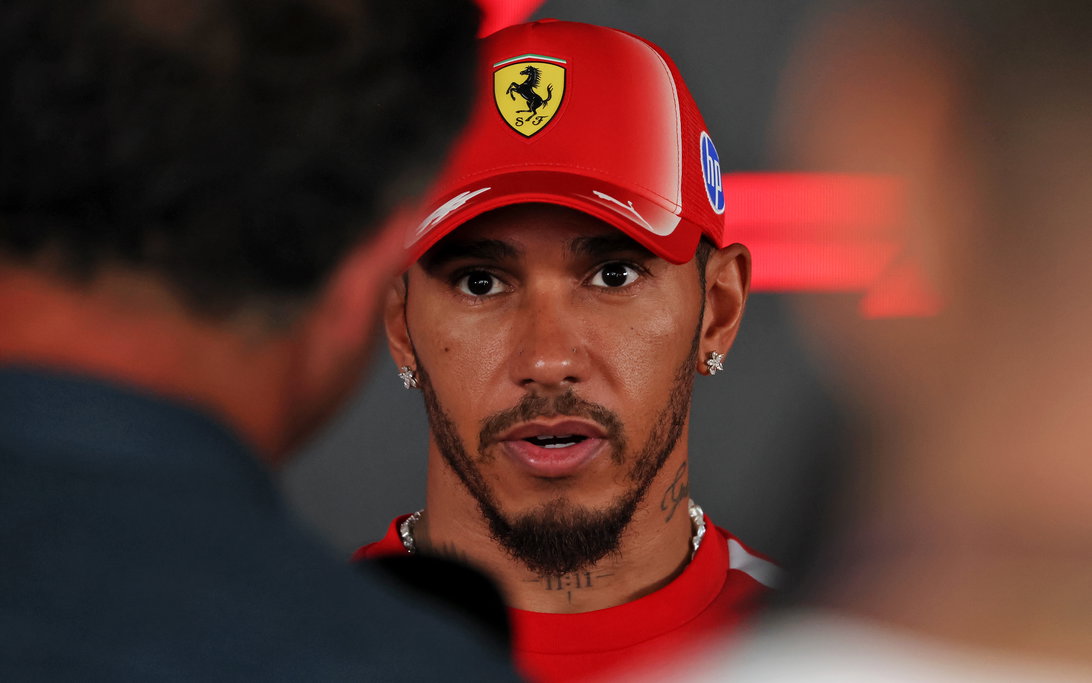
“I currently don’t foresee that I have to take a penalty… we didn’t do the mileage on the last race; I gained a race.”</fervogear_custom]
Ferrari is pursuing upgrades via the FIA’s Additional Development and Upgrade Opportunities pathway. That brings performance potential, but swapping parts could still trigger penalties if allocations are exceeded.
Charles Leclerc remains at higher risk after his Italian Grand Prix crash damaged components. That situation feeds into the evolving team dynamic and the Ferrari‑Hamilton‑Leclerc rivalry that shapes operational calls.
Hamilton benefits from underused elements in his pool. That grants Ferrari flexibility to defer any changes until performance fade outweighs the grid‑drop cost.
He accepts natural degradation will continue with mileage. The key is timing: when fresh parts deliver more lap time than a penalty costs in track position.
Image Credit: Motorsport
[fervogear_custom]Ferrari will continue to monitor performance trends and only commit to changes when the gains outweigh a grid drop.
Remaining rounds, including Azerbaijan, Bahrain, Singapore, and the United States, place different stresses on thermal efficiency and deployment. Staying penalty‑free maximizes starting position and strategic freedom.
The growing emphasis on component management has already defined outcomes this year. Recent focus on Azerbaijan GP grid penalties shows how allocations can reshape weekends.
Other frontrunners have already absorbed penalties, highlighting the competitive value of Hamilton’s intact allocation.
Context from pre‑season lays the groundwork for current decisions, with expectations around Hamilton’s 2026 Ferrari project emphasizing reliability, deployment efficiency, and allocation control.
Visual Summary
GRID PENALTY
⛔️⬇️
STILL SAFE
Hamilton’s Engine AVOIDS a Grid Penalty
(for now)
✨ Early Madrid retirement = Engine Saved
Norris Antonelli Lawson
Already Penalized
Russell
Next to Drop?
Leclerc
Risk Rising!
🇦🇿
🇧🇭
🇸🇬
🇺🇸
Penalty-free start boosts Hamilton’s title hopes for remaining key races
Ferrari must keep balancing engine health vs. performance…
For now, Hamilton’s meter is in the green
Daniel Miller reports on Formula 1 Grand Prix weekends with race-day analysis, team-radio highlights, and point-standings updates. He explains power-unit upgrades, aerodynamic developments, and driver rivalries in straightforward, SEO-friendly language for a global F1 audience.
Daniel Miller
Daniel Miller reports on Formula 1 Grand Prix weekends with race-day analysis, team-radio highlights, and point-standings updates. He explains power-unit upgrades, aerodynamic developments, and driver rivalries in straightforward, SEO-friendly language for a global F1 audience.