
https://shop.fervogear.com/cart

Inside Mercedes’ Rivals’ Most Devastating 2026 Defeat

Highlights
- George Russell sets pole with 0.837s gap over rivals
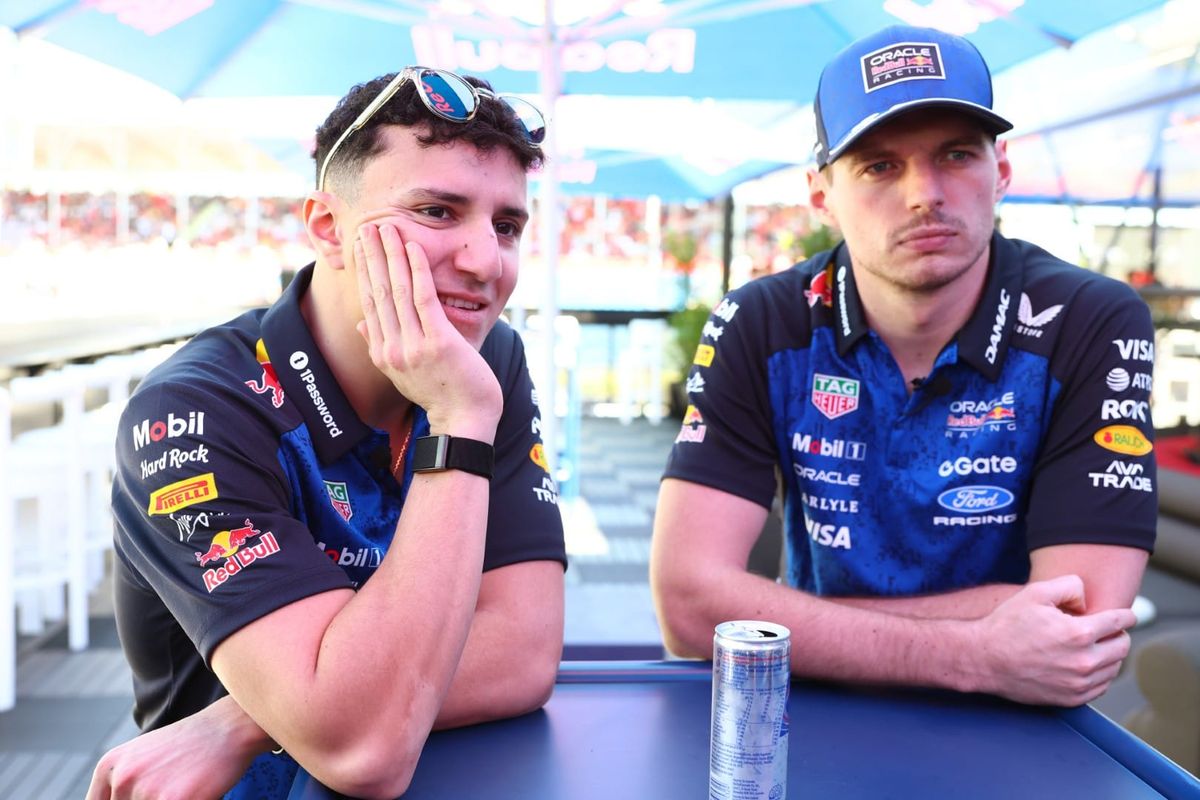
- Max Verstappen suffers power issues, qualifies eighth
- Red Bull confirms energy system glitch causing speed loss
- McLaren faces straight-line speed problems, struggles on Baku straights
- Lewis Hamilton starts sixth, hindered by tire and traffic issues
- Kimi Antonelli crashes in Q1, fails to advance
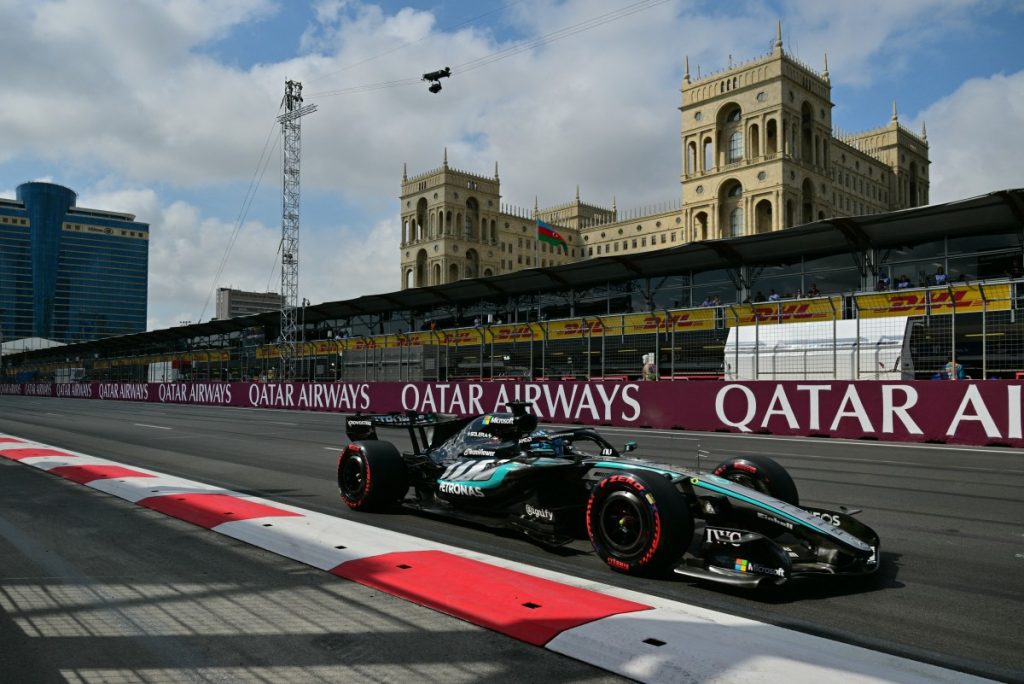
George Russell takes Azerbaijan Grand Prix pole in Baku with a 0.837s cushion, the largest Mercedes qualifying margin of 2026, despite being the team’s sole representative in Q3.
The benchmark eclipses the 0.785s spread from Australia, reflecting a strong car–power unit package and rivals’ operational turbulence. That mirrors themes from recent analysis of Mercedes’ Baku strengths.

Russell credits a timely slipstream and a car that is increasingly predictable as development steps bed in, continuing momentum since his Austrian GP victory.
Red Bull had looked poised to challenge after Max Verstappen topped final practice, but qualifying unraveled. Verstappen ended eighth, 1.5s off Russell, his biggest Q3 deficit this year.
He reported intermittent power loss and an energy deployment glitch that forced him to abort his last run. Cold tyres and a late yellow flag further compromised the lap.
Verstappen reports an energy deployment glitch and abandons his final Q3 attempt.
Team principal Laurent Mekies said the energy delivery issue worsened through qualifying, costing top speed and unsettling tyre usage on the crucial push laps.
Isack Hadjar salvaged Red Bull’s session with fourth, more than half a second quicker than Verstappen. Combining Verstappen’s best sectors suggested a ceiling around 1.014s from pole.
McLaren also struggled on Baku’s long full-throttle sections. Lando Norris said time bled on the straights versus Mercedes and even teammate Oscar Piastri.
Andrea Stella pointed to fuel injection behaviour, rather than core power-unit output, as a likely factor. Efficiency-led upgrades still need optimisation to convert into straight-line speed.
McLaren suspects fuel injection behaviour underlies its Baku straight-line deficit.
Lewis Hamilton qualified sixth. Front-tyre warm-up proved marginal, and weaving on the main straight did not generate enough carcass temperature for peak grip.
Run-plan dynamics hurt too. Ferrari’s late switch left Hamilton without a tow, while Charles Leclerc used Hamilton’s slipstream to reach the front row, still 0.5s adrift of Russell.
Hamilton loses critical tow after Ferrari alters out-lap sequence, compounding tyre warm-up limits.
Kimi Antonelli crashed in Q1 as grip evolved rapidly. Earlier technical interruptions had limited mileage, heightening exposure to a volatile surface, as covered in Mercedes’ support for Antonelli.
Overall, Mercedes’ baseline looks robust and well-matched to Baku’s deployment demands. Rivals face straight-line losses and energy-mapping gremlins as immediate priorities.
The strategic picture matters next. Safety Cars, tow trains, and tyre phase management could disrupt the order, tying into Mercedes’ broader strategic direction this season.
Title context also lingers in the background, echoing recent concern about championship volatility if execution wavers or reliability gremlins spread beyond qualifying.
Visual Summary
🏁 RUSSELL POLE
By 0.837s – Record Margin!
⭐ MERCEDES GULF (+0.837s)
🔻 Verstappen P8
+1.5s
Leclerc: P2, Slipstream from Russell
+0.521s
🛑 Red Bull: Power issues, P4 best
🟠 McLaren: Speed deficit
🚩 Antonelli crash (Q1)
MERCEDES
– MAXIMUM GAP
– MAXIMUM GAP
Russell shatters qualifying margin in Baku.
Merc leaves rivals in the dust.
McLaren & Red Bull: power woes, no answers.
Merc leaves rivals in the dust.
McLaren & Red Bull: power woes, no answers.
0.837s
is the new benchmark as George Russell claims pole and headlines a weekend of technical drama.
Verstappen – his largest quali deficit all year (+1.5s).
Slipstreams, yellow flags, and shattered hopes define Baku’s qualifying.
is the new benchmark as George Russell claims pole and headlines a weekend of technical drama.
Verstappen – his largest quali deficit all year (+1.5s).
Slipstreams, yellow flags, and shattered hopes define Baku’s qualifying.
Daniel Miller reports on Formula 1 Grand Prix weekends with race-day analysis, team-radio highlights, and point-standings updates. He explains power-unit upgrades, aerodynamic developments, and driver rivalries in straightforward, SEO-friendly language for a global F1 audience.