

https://shop.fervogear.com/cart

Christian Horner Delivers Harsh Critique After Leaving Red Bull: ‘Lost Its Vibe’

Highlights
- Christian Horner left Red Bull 15 months ago under unclear circumstances.
- Horner reportedly received a severance payout between £50-80 million.
- He claims Red Bull lost its unique vibe after his departure.
- Horner denied performance dip caused his removal from the team.
- Internal investigations followed allegations of controlling behaviour against Horner.
- Red Bull continues strong results but reportedly lacks former energy and identity.
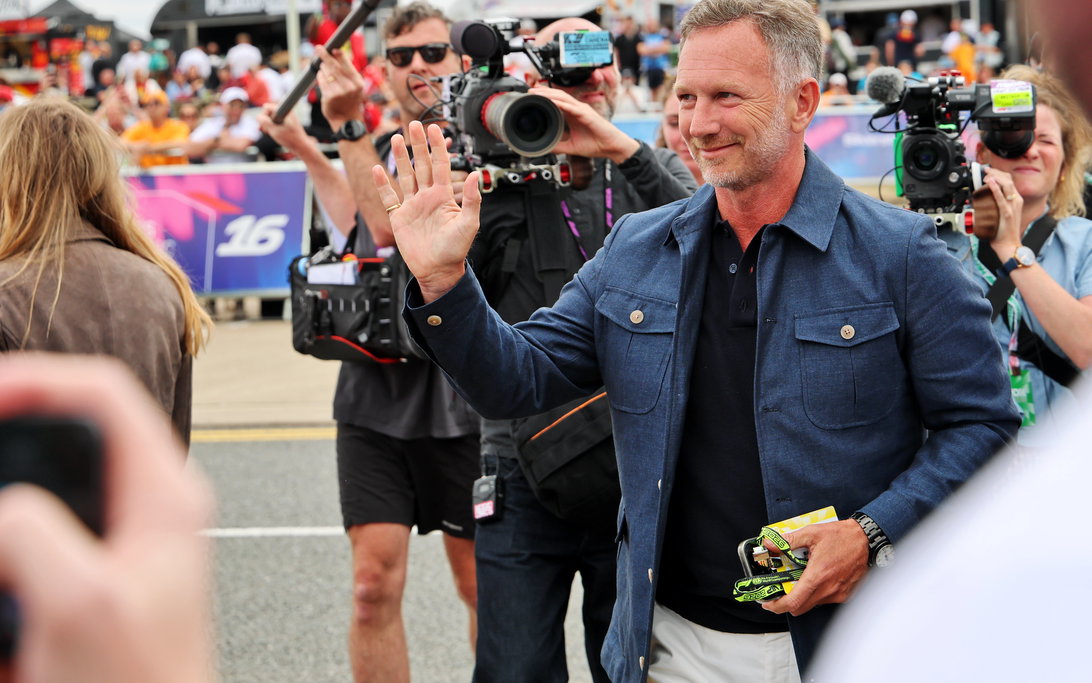
Christian Horner delivers a stark appraisal of Red Bull 15 months after his removal as team principal, telling The Times the team has “lost its mojo” since his July exit.
He says the circumstances remain unclear after two decades in charge, and argues the decision reflects a shift away from a leader-centric structure.

Reports place his severance between £50 million and £80 million. Horner avoids details but contends such a payout implies no wrongdoing on his part.
He maintains performance was not the trigger, pointing to competitive weekends around his exit, including leading the British Grand Prix before weather reshaped the result.
“If you look at that team 12 months down the line, it’s lost its mojo, its presence, its vibe.” — Christian Horner
An internal investigation in 2024 follows an allegation from a female employee of controlling behaviour. Horner does not directly link that process to his removal.
Red Bull initiated internal inquiries in 2024 after a controlling‑behaviour allegation against Horner.
Horner says he had six years left on his contract when told Red Bull wanted a different direction. He adds he never received a clear explanation beyond perceived performance slippage.
Horner: “I was never given a clear explanation” for his removal.
Since his departure, the team continues to score strongly with Max Verstappen, yet Horner argues the operation has lost energy and identity under revised leadership.
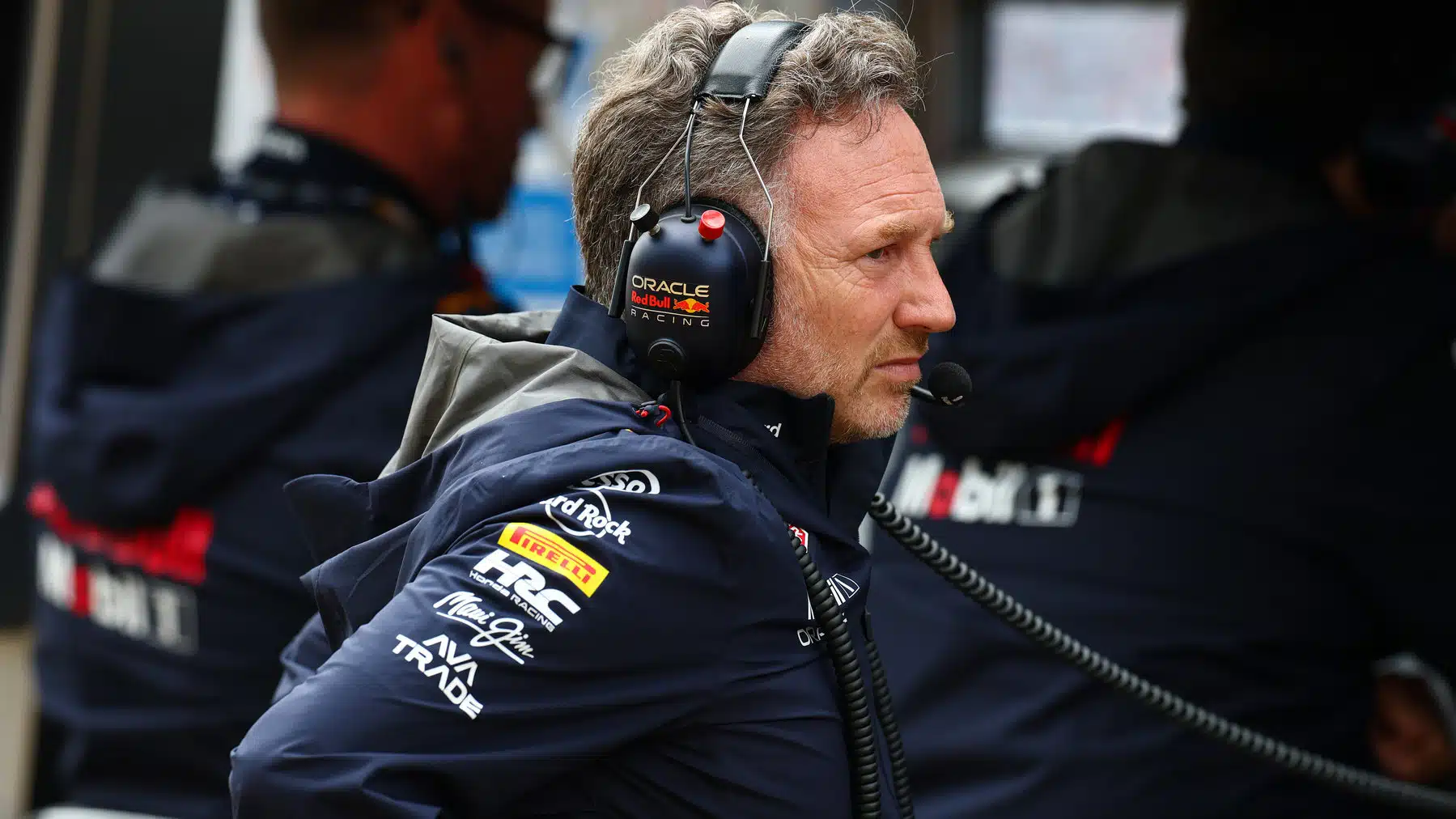
Questions also persist over internal dynamics involving Helmut Marko and Verstappen, with authority lines reshaped and responsibilities redistributed.
Strategically, leadership transitions can dilute decision-making clarity and risk appetite. Under the cost cap, cohesion and rapid iteration become decisive advantages.
Any loss of edge compounds operational challenges from evolving regulations and reliability. This season’s car issues further complicate momentum and mask underlying performance potential.
The driver pipeline and succession conversations, including Liam Lawson, underline how leadership changes intersect with future planning.
On‑circuit race management also faces scrutiny, with debates about team orders informing perceptions of control, unity, and adaptability.
Red Bull targets stability and renewed clarity under its new leadership. Whether Horner’s verdict endures will depend on culture, technical direction, and execution through the remainder of 2026.
Visual Summary
?
Red Bull’s “vibe” gone? Christian Horner slams team’s loss of identity after his costly exit.
Severance
💸
Horner Era
|
Now
|
Now
⚡
💤
Energy meter: “Mojo” ⬇ since leadership change
“It’s lost its mojo, its presence, its vibe.”
– Christian Horner
– Christian Horner
Ongoing: Red Bull faces car issues & culture shake-up in the 2026 F1 season

Daniel Miller reports on Formula 1 Grand Prix weekends with race-day analysis, team-radio highlights, and point-standings updates. He explains power-unit upgrades, aerodynamic developments, and driver rivalries in straightforward, SEO-friendly language for a global F1 audience.