

https://shop.fervogear.com/cart

Red Bull Finally Solves Max Verstappen’s Long-Standing Car Problem

Highlights
- Red Bull addressed RB22 rear part degradation issue at Azerbaijan GP
- Upgrades included redesigned floor and adjusted sidepods for RB22
- Technical director Waché confirmed upgrade effectiveness after first practice
- Full degradation fix not possible this year, says team principal
- Lessons from RB22 to influence 2027 RB23 car development
- Verstappen hopeful improvements will reduce degradation in future seasons
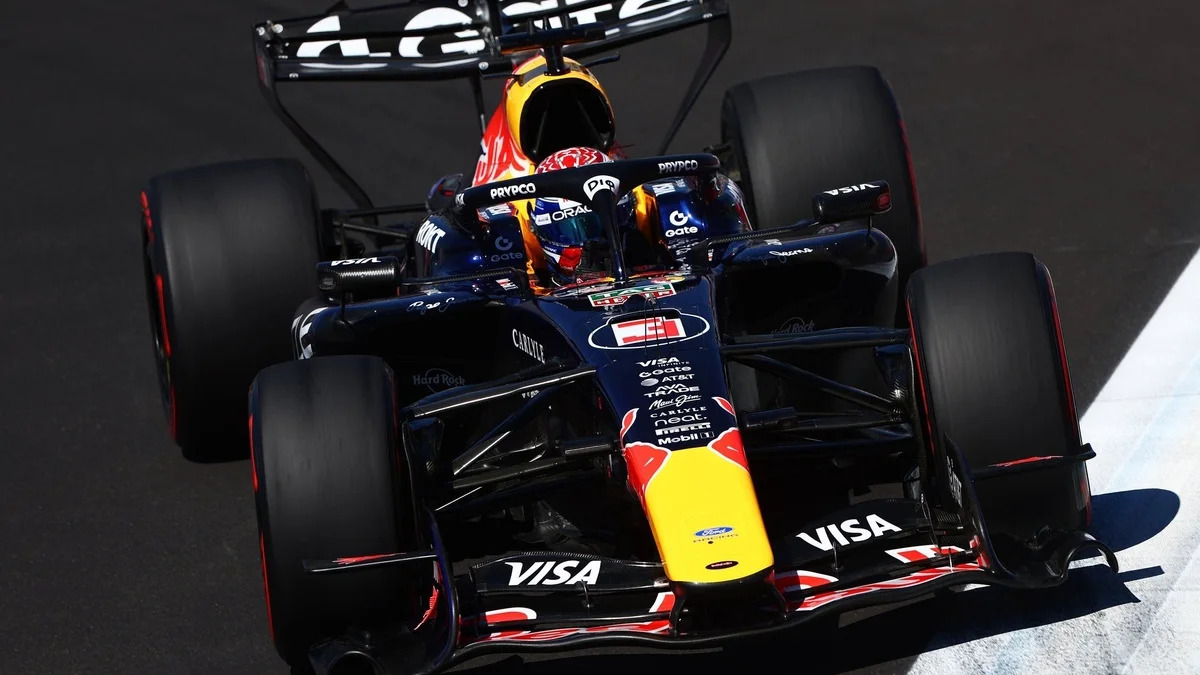
Red Bull takes a meaningful step in Baku toward resolving a long-running rear-end degradation trait that Max Verstappen has highlighted for several seasons. The RB22’s latest package aims to stabilise tyre and balance evolution across stints.
The team introduces a redesigned floor and reworked sidepods as part of its final in-season push, a move intended to address component wear characteristics and stint fade. That upgrade suite, the final upgrade package for the RB22, also serves as a rolling research project for the 2027 car.

Technical director Pierre Waché reports positive correlation after first practice in Azerbaijan, noting the car behaves as modelling predicted. While welcome, the emphasis already shifts to the next-generation machine under stable regulations.
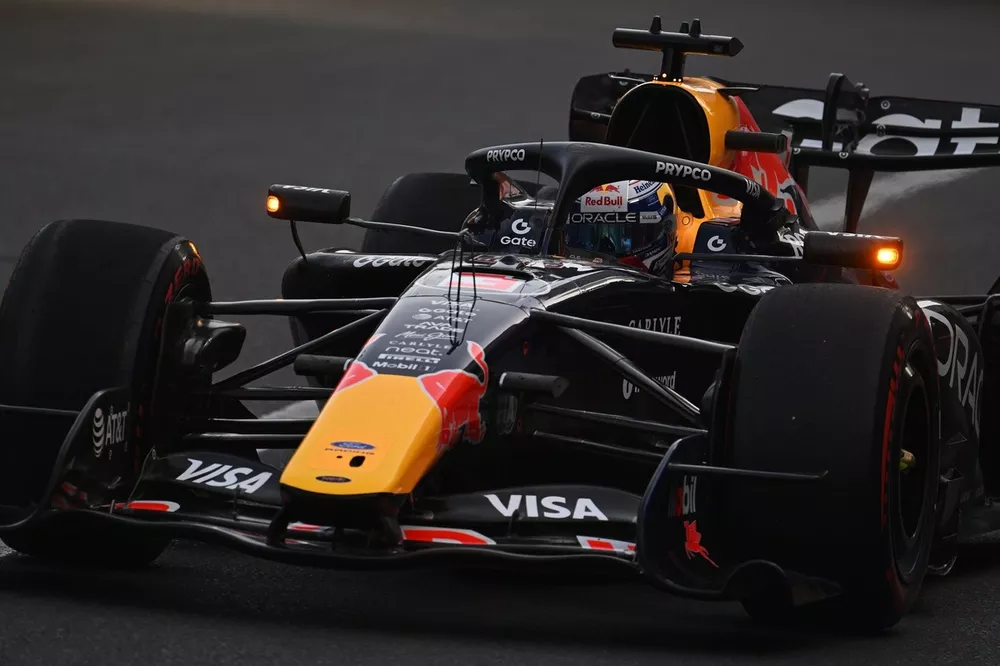
The underlying issue concerns how specific rear assemblies wear through running, subtly shifting balance and spiking tyre temperatures. Verstappen has repeatedly referenced this persistent car degradation behaviour across varied rule sets and car concepts.
Team principal Laurent Mekies concedes the limitation cannot be fully eradicated this season given architecture locks and development bandwidth. With little headline performance left to unlock, Red Bull focuses on bankable learning.
Mekies says a complete cure is not feasible on the RB22 within the current season.
Recent feedback loops, including Verstappen’s detailed debriefs from Monza and Baku, refine the understanding of the car’s operating window. Engineers balance mass distribution, rear load generation, and aero efficiency to avoid triggering new weaknesses.
Waché confirms the upgrade’s intent and model correlation after FP1 in Azerbaijan.
Waché characterises the problem as “massive,” reflecting the complexity of trading mechanical robustness, aero load, and weight placement. The approach remains iterative rather than revolutionary, with risk managed through small steps.
Verstappen remains cautiously optimistic, noting the team is finally homing in on the correct areas. Some fixes arrive too late to transform 2026, but the direction of travel now looks clearer for the next project.
RB22 learnings will feed directly into the RB23 for 2027 development.
Red Bull’s technical effort in the 2026 season’s final months is about protecting race pace and tyre life while safeguarding long-run consistency. With stable rules tightening margins, progress here could decide early-2027 competitive order.
Visual Summary
⏳ 3+ Years of rear degradation
🔧 Final RB22 Upgrade
“We’re finally identifying the right areas to improve.
The issue was massive — but we’re making progress.”
— Verstappen & Waché
RB22
RB23

Daniel Miller reports on Formula 1 Grand Prix weekends with race-day analysis, team-radio highlights, and point-standings updates. He explains power-unit upgrades, aerodynamic developments, and driver rivalries in straightforward, SEO-friendly language for a global F1 audience.