

https://shop.fervogear.com/cart

Williams upgrades and Red Bull moves spark fierce F1 development battle

Highlights
- Williams shed 7 kilograms to improve FW48 lap times.
- Williams removed strut and reshaped floor edges aerodynamically.
- Red Bull redesigned RB22 sidepods to enhance rear stability.
- Red Bull’s upgrades tailored to Max Verstappen’s driving style.
- Both teams focus on different upgrades for Azerbaijan GP.
- Upgrades tested in Baku to gather data for future races.
Red Bull and Williams arrive in Baku with targeted upgrades for the 2026 Azerbaijan Grand Prix, seeking gains as the development battle intensifies across the Formula 1 grid.
McLaren draws headlines with larger changes, yet these packages underline divergent priorities and tight resource management, with both teams chasing efficiency rather than wholesale redesigns.

Williams emphasises weight reduction on the FW48 over pure downforce, after months prioritising work on next year’s car and keeping the current specification largely static.
The Baku kit removes roughly seven kilograms from the chassis, a saving worth about two tenths per lap in representative conditions.
Williams’ seven‑kilogram saving is worth around two tenths per lap in typical conditions.
Supporting tweaks include deleting the bargeboard‑to‑chassis strut and reshaping the floor’s leading edge to steady balance under braking, rotation, and traction phases.
Further detail appears in the team’s Baku upgrade analysis.
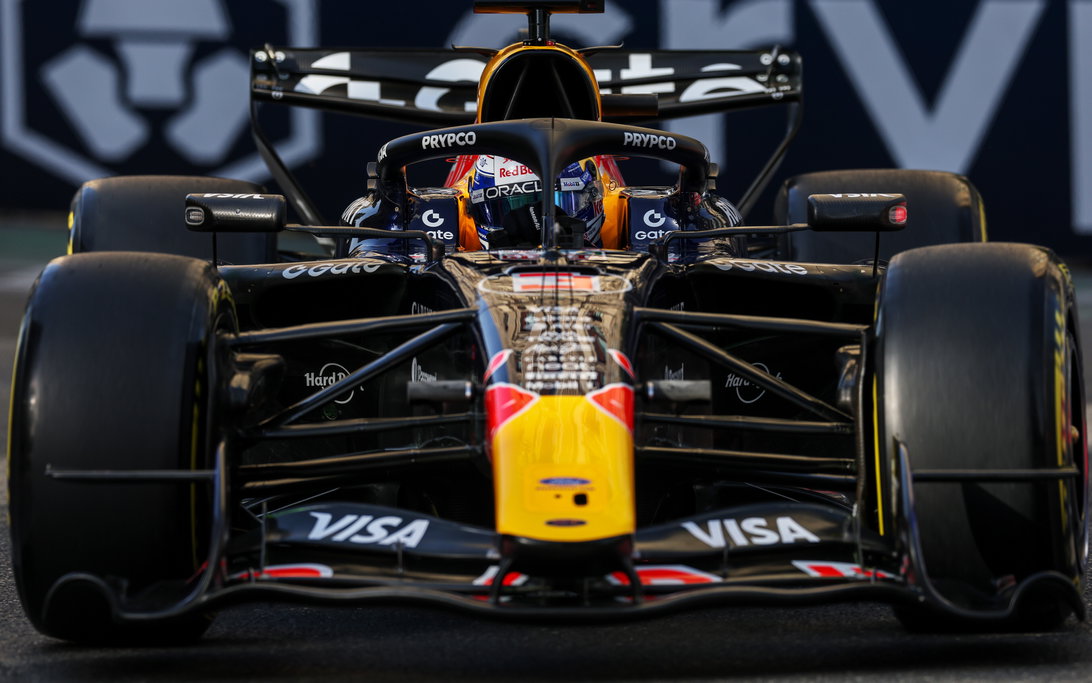
Red Bull’s update is more visible. The RB22 carries a reworked sidepod undercut and a wider adjacent floor edge to manage vortices and better seal the platform.
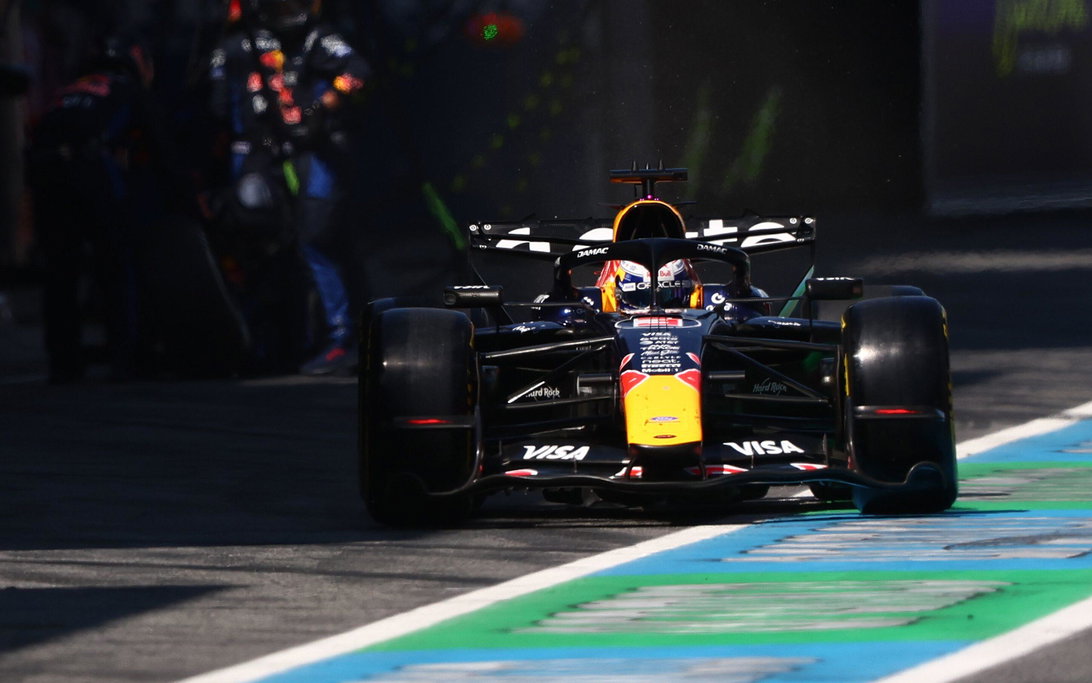
These surfaces guide flow more effectively, add bodywork load, and calm rear behaviour through varied throttle and steering inputs, addressing mid‑corner instability seen earlier.
The geometry also suits Max Verstappen’s preferences, enabling assertive rotation without over‑stressing the rear, as outlined in Red Bull’s upgrade focused on Verstappen.
Red Bull’s reworked sidepods and wider floor edge target rear stability and suit Verstappen’s rotation‑friendly style.
The contrasting paths are clear: Williams chases fundamental mass reduction; Red Bull targets handling sensitivity via load distribution and refined flow conditioning.
Baku’s streets stress braking stability, traction, and tyre temperatures, offering a clean read on these changes. Red Bull’s final upgrade package frames the direction for coming rounds.
For Williams, aggressive light‑weighting always carries trade‑offs, with potential durability or setup margins to manage, as explored in their upgrade concerns discussion.
Baku track mileage will validate these packages and shape setup baselines for upcoming events.
Both teams expect to bank correlation data across practice, then tune ride heights and differential settings to extract consistency through the long straights and low‑speed complexes.
Even modest gains matter in a compressed field. The stopwatch often rewards quiet, incremental steps over headline‑grabbing overhauls through improved balance and tyre management.
As the weekend unfolds, lap‑time traces, tyre degradation, and driver feedback will reveal which philosophy delivers the clearer advantage in Baku.
Visual Summary
🚙
🚗
🚙
🚗
VS
Williams: -7kg
⬇️ Focused on shedding weight
+0.2s/lap faster
+0.2s/lap faster
Red Bull: Rear Upgrade
✨ Targeted rear-end consistency
More stable for Verstappen
More stable for Verstappen
Engineering Showdown in Baku:
Williams chases ounces & Red Bull chases control.
Every tenth gained, a step closer to the front.
Williams chases ounces & Red Bull chases control.
Every tenth gained, a step closer to the front.
⚖️
Chasing Lightness
Weight savings unleash real speed at a street circuit
💨
Mastering Airflow
Rear-end stability boosts Verstappen’s confidence
Every kilo
matters
Airflow
perfected
Baku: Weight lost vs Grip gained.
Every upgrade counts in the race to stay ahead.
Who wins the F1 development war?
Every upgrade counts in the race to stay ahead.
Who wins the F1 development war?

Daniel Miller reports on Formula 1 Grand Prix weekends with race-day analysis, team-radio highlights, and point-standings updates. He explains power-unit upgrades, aerodynamic developments, and driver rivalries in straightforward, SEO-friendly language for a global F1 audience.