

https://shop.fervogear.com/cart

Why Was Valtteri Bottas Far Slower in the Azerbaijan GP?


Highlights
- Bottas was over 1.6 seconds slower than Perez in qualifying.
- Bottas was 46 seconds behind Perez by first pitstop on lap 26.
- Bottas’ race ended due to braking system failure and lock-up.
- Perez kept pace with midfield, briefly overtaking Sainz and Bortoleto.
- Perez called Baku one of his best weekends, pushing aggressively.
- Cadillac Racing faces questions over performance gap and reliability issues.
Cadillac Racing’s weekend in Baku is defined by a stark intra-team gap, as Valtteri Bottas trails Sergio Perez throughout the Azerbaijan Grand Prix weekend.
The split is immediate in qualifying. Bottas laps over 1.6 seconds slower than Perez, despite encountering a yellow flag, underlining a persistent single-lap deficit.

The trend continues in the race. By his lap-26 stop, Bottas sits more than 46 seconds behind, averaging close to 1.9 seconds lost per lap to his teammate.
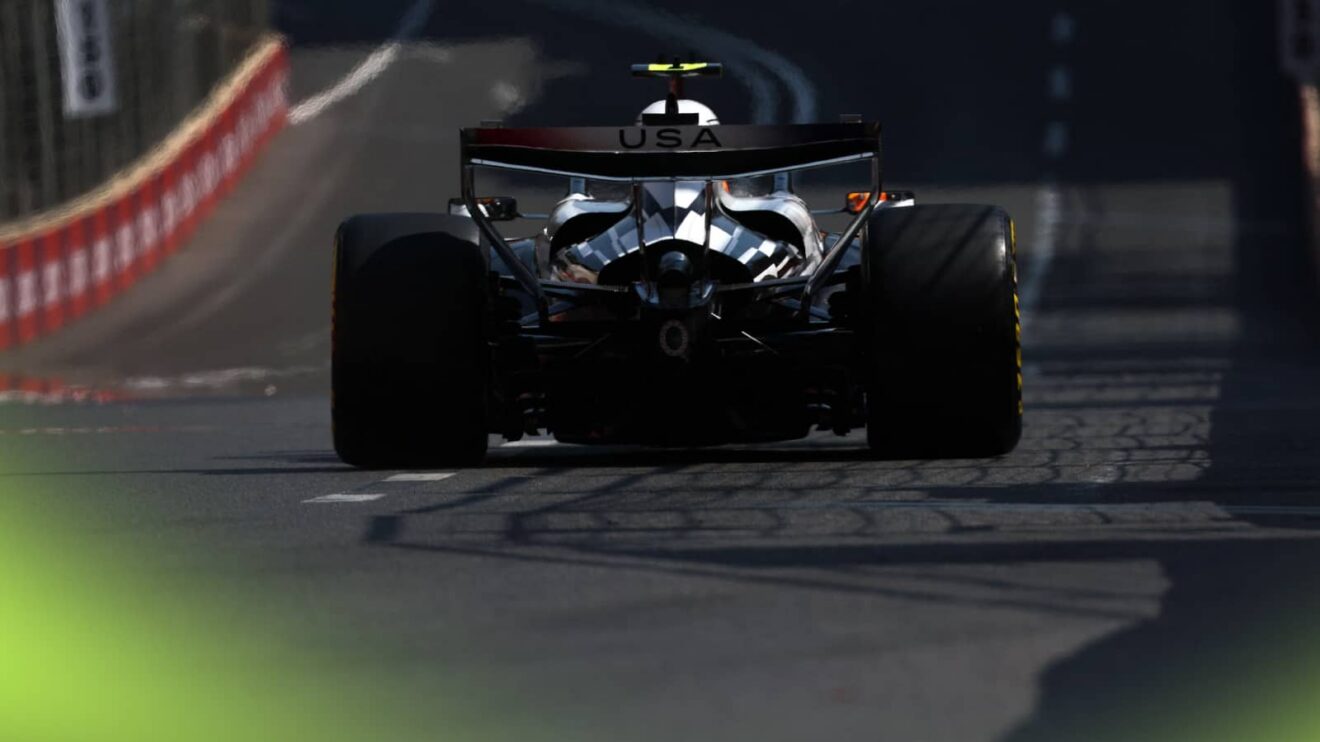
Safety-car phases compress the field, yet Bottas still fades at roughly 1.6 seconds per lap, unable to hold midfield pace or match Perez’s rhythm.
“Honestly, no pace at all. I could only fight with Fernando… pretty far off.” — Valtteri Bottas
Bottas references lifting and coasting but suggests it does not explain the gap, indicating an underlying issue that Cadillac must diagnose post-event.
The race ends abruptly for Bottas after a Turn 1 lock-up. A braking-system fault appears to disable the rear brakes and disrupt energy harvesting, leaving him in the wall.
While Williams and Audi runners circulate nearby, Perez sustains midfield pace in his opening stint and capitalizes on a safety car to briefly clear Carlos Sainz and Gabriel Bortoleto.
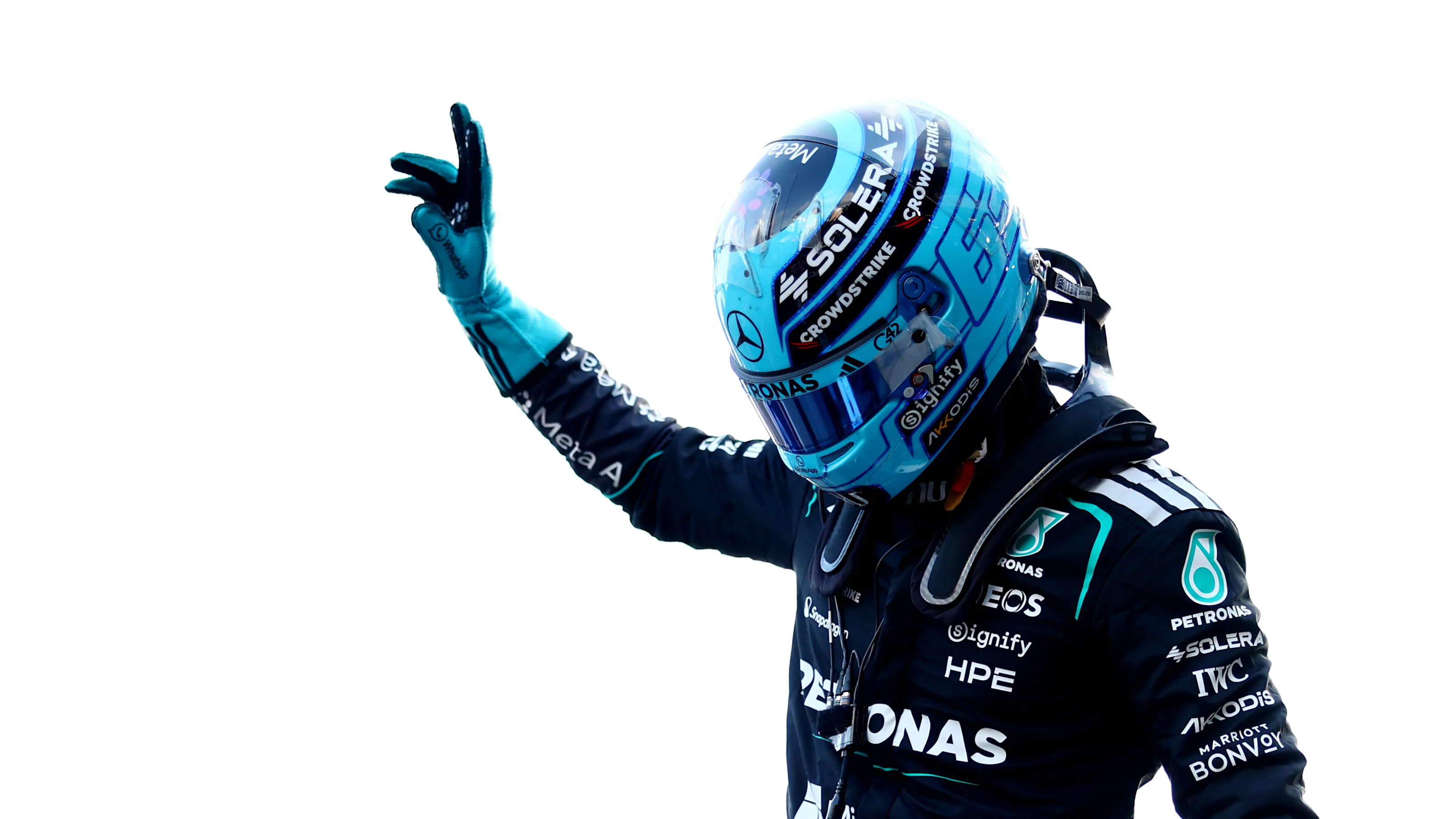
Perez eventually slips to 15th after the restart but calls the performance one of his strongest in Baku, extracting performance despite straight-line limitations.
“This has been one of my best weekends in Baku. I managed to get 150% out of that car.” — Sergio Perez
He cites rivals’ overtake modes and Cadillac’s top-speed shortfall as obstacles, creating significant delta on the straights and constraining passing opportunities.
“If anything went wrong at any corner I would have put it in the wall.” — Sergio Perez
The contrast is clear. Perez drives aggressively within a narrow margin, while Bottas’s conservative approach is compounded by mechanical issues and a chronic pace shortfall.
Frequent safety-car interruptions, typical of Baku’s jeopardy, shape strategy and track position, echoing incidents seen in the recent Baku clash coverage.
Cadillac now faces twin tasks: closing the performance gap and addressing reliability. The street circuit’s thermal and braking demands, and its tyre management profile, magnify any imbalance.
Perez’s benchmark also comes against competitive references, including Williams, which brings updates here, as outlined in the Williams upgrade brief. That makes the intra-team delta more conspicuous.
For Bottas, the priority is correlation work and system checks. For Perez, the takeaway is operational sharpness, extracting results when safety cars and execution align.
Visual Summary
BOTTAS
+1.6s/lap
Technical issue: DNF
46s+ gap
by Lap 26
PEREZ
P15 finish
“150% effort!”
Bottas hits the brakes —literally & figuratively
as Perez floors it in Baku!
+1.9 s/lap Bottas losing pace
3 consecutive defeats
150% effort by Perez
❝
If anything went wrong at any corner I would have put it in the wall. So when you do a race like this, you feel really proud.
If anything went wrong at any corner I would have put it in the wall. So when you do a race like this, you feel really proud.
❝
Honestly, no pace at all… For sure, we lost some time. Otherwise, pretty far off, so lots of things to look into from this weekend.
Honestly, no pace at all… For sure, we lost some time. Otherwise, pretty far off, so lots of things to look into from this weekend.
Two teammates, two destinies: Bottas meets frustration and failure, while Perez wrings every drop from his Cadillac.
Azerbaijan’s narrow streets make the gap impossible to ignore.
Azerbaijan’s narrow streets make the gap impossible to ignore.

Daniel Miller reports on Formula 1 Grand Prix weekends with race-day analysis, team-radio highlights, and point-standings updates. He explains power-unit upgrades, aerodynamic developments, and driver rivalries in straightforward, SEO-friendly language for a global F1 audience.