

https://shop.fervogear.com/cart

F1 Revives V8 Engine Dreams as New Powertrain Details Surface

Highlights
- Formula 1 plans return of turbocharged 3.0-litre V8 engines by 2030.
- New engines will be 50 kilograms lighter than current hybrid units.
- Electric motor reduced to 100 kilowatts for simpler hybrid system.
- DRS to be replaced by IndyCar-style push-to-pass system after 2025.
- Turbocharged engines retained to meet noise regulations on street circuits.
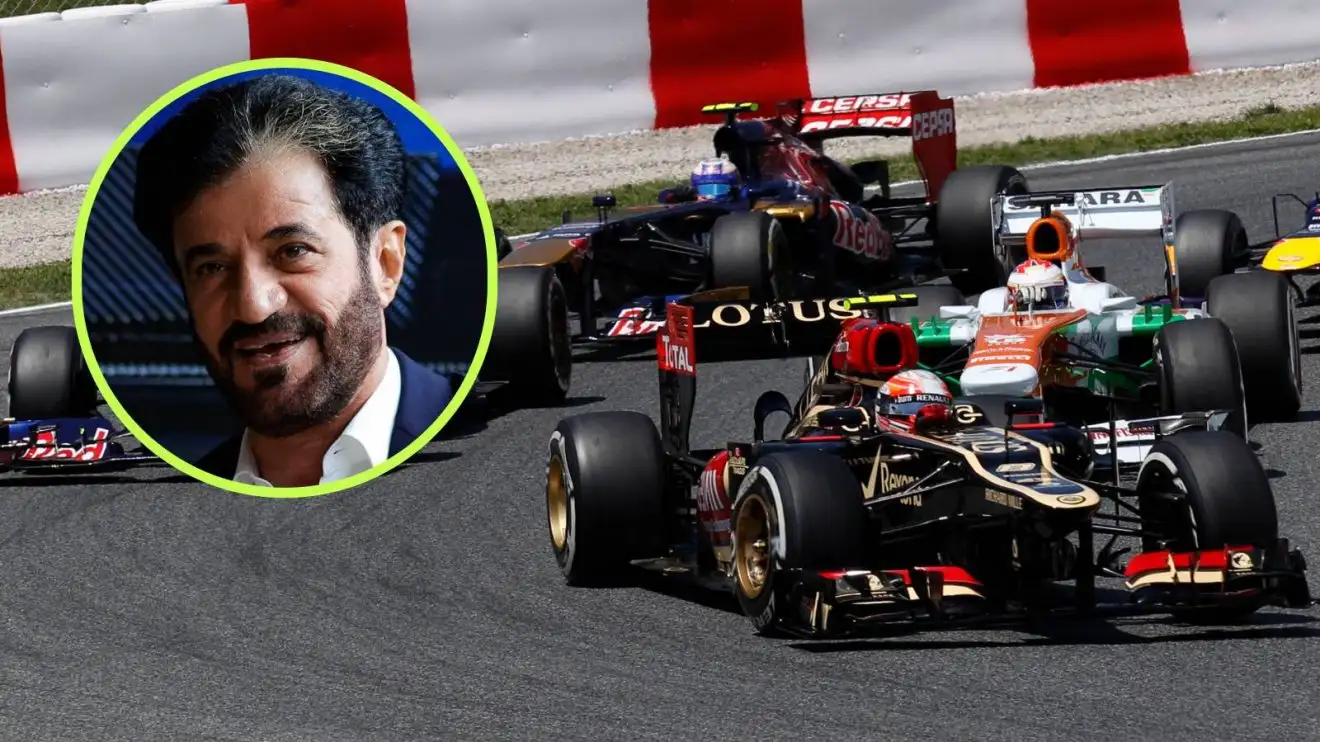
- FIA president and teams support V8 return, aiming for rule finalization soon.
Formula 1 is closing on a 3.0-litre turbocharged V8 with a simplified hybrid system, targeted for 2030, as stakeholders align on a departure from today’s complex power units.
An agreement in principle exists between the FIA, manufacturers, and teams, though technical and sporting details remain open. The shift could bring the next engine cycle forward by one year.

The concept couples a lighter V8 with a 100-kilowatt motor, trimming at least 50 kilograms. Objectives are improved drivability, lower costs, and clearer performance differentiation.
FIA president Mohammed Ben Sulayem has publicly backed a V8 return, and team principals broadly support the direction. Final sign-off hinges on energy deployment rules and operational policing.
Emphasis on electrical deployment under last season’s engine regulations drew criticism, with drivers arguing cars felt heavier and less rewarding. The new layout seeks to restore throttle feel and braking consistency.
New power units target at least 50kg weight reduction and a 100kW electric motor.
A key decision is to retain turbochargers rather than return to naturally aspirated units. Street-race noise limits in Melbourne, Miami, Singapore, and Las Vegas make turbos the pragmatic solution.
A smaller hybrid package eases cooling burdens and packaging compromises, aiding tyre management and balance. That aligns with technical trends showing marginal gains from reduced complexity and weight.
DRS is scheduled to be phased out after 2025. Its replacement is likely an IndyCar-style push-to-pass, providing time-limited power boosts governed by standardised conditions.
DRS will be phased out after 2025, with push-to-pass the leading replacement concept.
Manufacturers strong in turbocharging and energy recovery may transition fastest. Customer teams will watch cost caps, supply contracts, and reliability thresholds that determine grid stability through the early adoption phase.
The 2030 target gives programs a long runway, but clarity this year is vital. Urban venues demand noise compliance, while fans and drivers prioritise character and raceability.
Target debut is 2030, potentially bringing the rule cycle forward by one year.
Any calendar shift around testing or early races, including the Bahrain GP schedule, will influence validation mileage and integration of the new systems across works and customer cars.
If consensus follows, Formula 1 will blend the appeal of V8s with modern efficiency, aiming for a livelier driving experience without abandoning road-relevance or city-circuit constraints.
Visual Summary
F1 Races Toward
Turbo V8 Revival
Turbo V8 Revival
⚖️
–50kg (lighter)
🛠️
3.0L Turbo V8
⚡
Smaller Hybrid (100kW)
📅
2030 (aim)
Noise Laws
Drivers and fans wanted the thrill back. V8 engines roar again, but future-proofed: lighter, simpler hybrids, turbocharged for city races.
🚀Push-to-Pass
replaces DRS for overtakes
2014–2029: Hybrids
2030: V8 Return

Daniel Miller reports on Formula 1 Grand Prix weekends with race-day analysis, team-radio highlights, and point-standings updates. He explains power-unit upgrades, aerodynamic developments, and driver rivalries in straightforward, SEO-friendly language for a global F1 audience.