

https://shop.fervogear.com/cart


What Amateur Drivers Should Know Before Their First Track Day
Essential tips and advice for amateur drivers preparing for their very first track day to ensure safety, fun, and a rewarding experience.

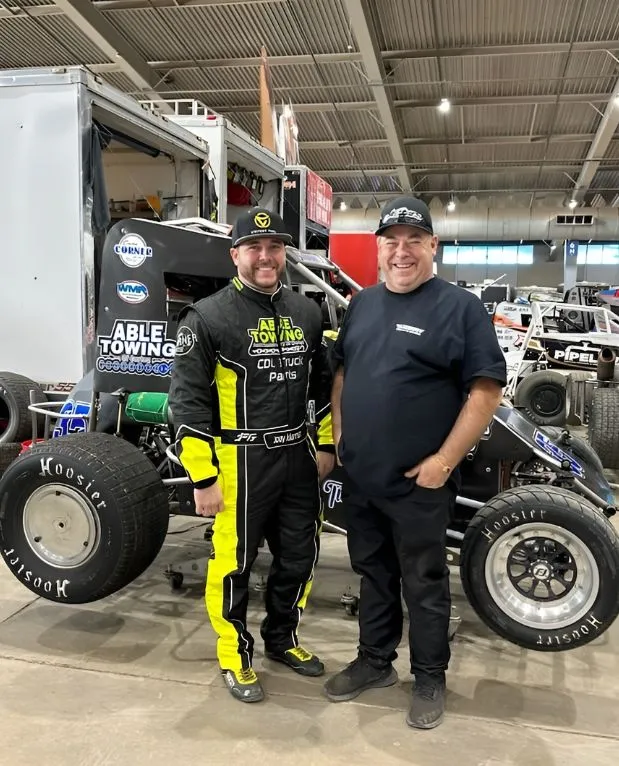
Attending your first track day can be an exciting gateway into the world of high-performance driving, but it also requires preparation and awareness. As an amateur driver, knowing what to expect and how to prepare will help you maximize enjoyment while maintaining safety on and off the track.
Understanding What a Track Day Entails
A track day offers drivers the chance to drive their own car on a professional race circuit, away from public roads and typical traffic conditions. It’s a unique environment designed to test driving skills in a controlled setting. However, track days are not races, but rather timed or untimed sessions focused on skill development, vehicle control, and enjoyment.

Before your first event, it’s valuable to review the track’s rules, session formats, and any specific requirements. Many tracks have online resources, but additional information is often provided during driver briefings.
Preparing Your Vehicle
Your vehicle is central to a successful track day. While race-prepared cars receive lots of attention, many amateurs participate in street cars with minimal modifications.
Basic Vehicle Checks
- Brakes: Ensure pads, rotors, and fluid levels are in good condition. Brakes will be used heavily, so check for any abnormal wear.
- Tires: Use tires with sufficient tread and appropriate pressure as recommended by the track or your car’s manufacturer. Avoid worn or uneven tires.
- Fluids: Check oil, coolant, and brake fluid levels. Hot track conditions can strain fluids.
- Engine and Suspension: Confirm there are no leaks or loose components.
If you are unsure about your vehicle’s condition, consider having a qualified mechanic conduct a pre-track inspection.
Required Equipment
Check with the event organizer for mandatory gear and equipment. Typical requirements include:
- A helmet meeting approved standards (check the sanctioning body’s current regulations).
- Closed-toe shoes with good grip.
- Awell-fastened seatbelt or harness.
- Optional but recommended: fire extinguisher in the car, gloves, and comfortable clothing that covers arms and legs.
FervoGear offers apparel that can be comfortable and suitable for track day environments, though specific safety gear must meet event rules.
Driving Skills and Attitude
Track driving differs significantly from street driving. Amateur drivers should approach their first day ready to learn, adapt, and respect the track and other participants.
What to Expect on Track
- Sessions typically consist of multiple groups based on experience or vehicle speed.
- Passing rules are strictly enforced—know the signals and etiquette before you drive.
- Learn the flag system, which indicates if the track is clear, cautions, or waves of hazards.
Tips for Safe and Enjoyable Driving
- Start slowly and progressively increase your pace as you become familiar with the track layout and your vehicle’s behavior.
- Focus on smooth inputs: gentle throttle, brake, and steering control.
- Attend the driver briefing seriously—it covers safety, flags, and track-specific rules.
- Respect fellow drivers; unpredictable behavior can be dangerous.
Personal Preparation and On-site Tips
Once you arrive at the track, there are several practical steps to make your day stress-free and fun.
Checklist Before Driving
- Confirm your helmet fits and is securely fastened.
- Secure all loose items in the car or remove them.
- Ensure your car’s windows and mirrors are adjusted.
- Remove or secure any objects that could shift during driving.
- Stay hydrated and bring snacks.
During the Day
- Attend every driver briefing or meeting; important updates and safety messages are communicated here.
- Observe other drivers to gauge appropriate speed and technique.
- Take breaks if you feel fatigued or overwhelmed.
- Consider notes on each session to track improvements.
Post-Track Day Considerations
After your session, inspect your vehicle for any signs of wear or damage that might have occurred. Review your driving performance and identify areas for improvement. Many drivers find it helpful to pursue coaching or additional education.
Remember, preparing for future track days by gradually upgrading parts or gear and learning from experiences will enhance safety and enjoyment in the long run.
Final Thoughts
Entering your first track day can be both thrilling and intimidating. By understanding the environment, preparing your vehicle appropriately, and adopting a responsible, learning-driven mindset, you position yourself for a safe and rewarding experience. Stay informed on current rules, take advantage of resources like driver briefings and instructors, and enjoy the ride!