
https://shop.fervogear.com/cart

Understanding Racing Suit Construction and Seam Placement
Explore how racing suit construction and seam placement contribute to driver comfort and performance while meeting safety standards in motorsports.

Racing suits are a vital component of a driver’s gear, offering protection and comfort in the highly demanding environment of motorsports. Understanding how these suits are constructed and why seam placement matters can help drivers and teams make informed decisions about their equipment.
What Is Racing Suit Construction?
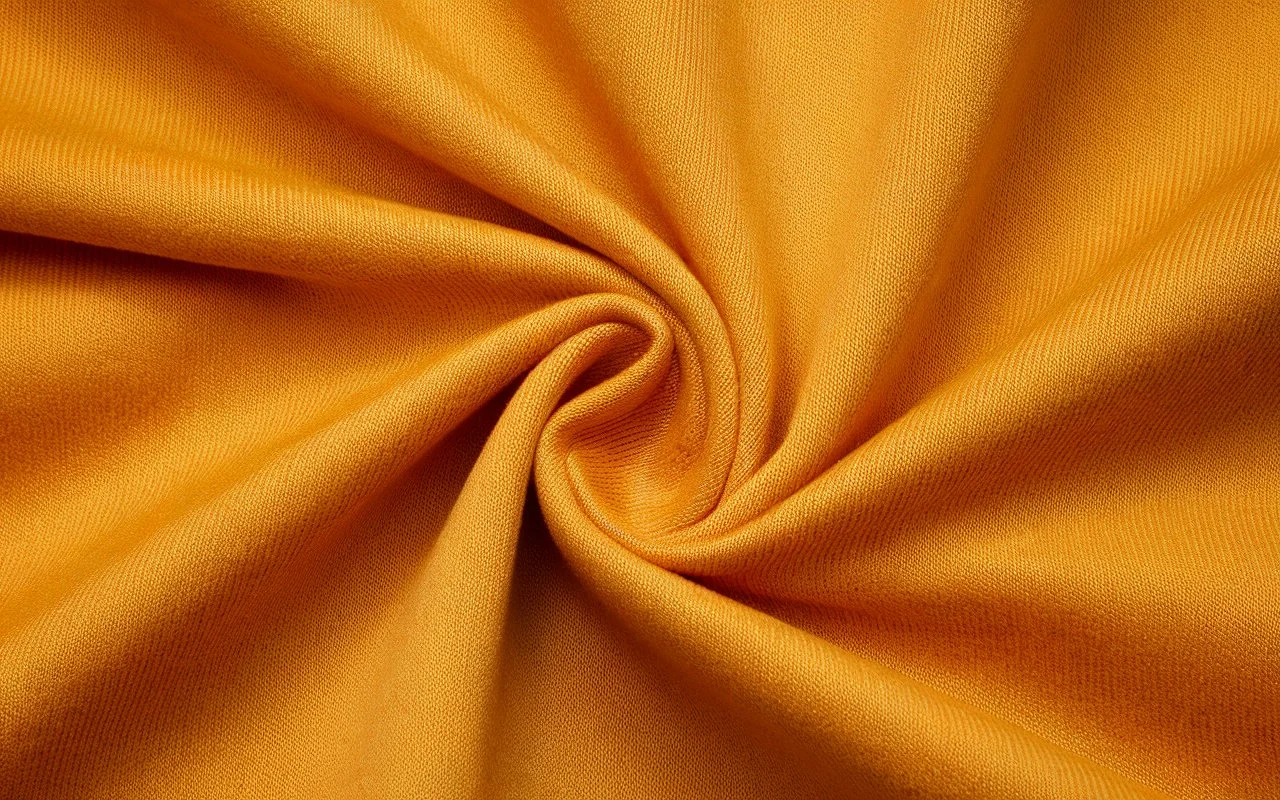
Racing suits are specially designed garments made from multiple layers of flame-resistant materials such as Nomex or similar fabrics. Their construction focuses on protecting the driver from heat and flames while maintaining mobility and comfort over long sessions behind the wheel.

The construction process involves cutting, layering, and sewing several panels of these specialized fabrics together. Each panel is strategically designed to accommodate the anatomy and movements of the driver.
Why Seam Placement Is Important
Seam placement refers to where different pieces of fabric are joined in the racing suit. While seams are necessary to assemble the suit, they can also influence comfort, durability, and safety.
Comfort and Mobility
Seams placed over highly flexible areas or pressure points can cause discomfort or restrict movement. Common areas that require careful seam placement include:
- Shoulders and upper arms – for unrestricted steering wheel movement
- Inside of elbows – to prevent chafing during arm flexion
- Knees and inner thighs – allowing free leg movement and pedal control
- Collar area – to avoid irritation during long drives
Manufacturers often use flatlock stitching or cover seams with binding tape to reduce irritation where skin contact is frequent.
Safety Considerations
The seams in a racing suit are potential weak points that could compromise the integrity of the flame-resistant barrier. Therefore, they are carefully reinforced and positioned to minimize risk:
- Overlap and double stitching techniques are common to strengthen seams
- Seams are generally avoided or reinforced in impact-prone areas to prevent tearing
- Seam placement often considers how the fabric might stretch or stress under various seating positions in the car
For specific safety standards and seam requirements, racing drivers and teams should consult the rulebooks of their sanctioning bodies. These organizations provide up-to-date regulations that suit construction must comply with.
Typical Materials and Their Influence on Construction
Racing suits often use multi-layered Nomex or similar aramid fibers for fire resistance. Each layer adds thickness and protection but may affect the suit’s weight and flexibility.
When layering, seams need to join all layers securely without creating bulky or rigid spots. This balance challenges manufacturers to optimize seam positioning and stitching methods.
Practical Tips for Drivers and Teams
Understanding suit construction helps when choosing or customizing racing gear. Consider these practical points:
- Fit and Sizing: A well-fitted suit reduces excess fabric bulk, which can cause seams to bunch or irritate the skin.
- Check Seam Quality: Inspect double stitching and reinforced seams closely, especially in high-stress areas.
- Comfort Features: Seek suits with ergonomic seam designs that follow natural body contours for enhanced movement.
- Consult Rulebooks: Always review the current standards from your racing series to ensure your suit meets safety criteria.
- Maintenance: Proper care and routine inspections of your suit can help detect seam wear and prevent unexpected failures.
Choosing FervoGear Racing Suits
FervoGear is committed to delivering racing suits that balance protection, comfort, and durability. Our expertise in fabric technology and thoughtful seam placement helps drivers focus on their performance without compromising safety.
While every driver’s needs differ, exploring the construction details often clarifies options and improves confidence in your racing gear.
Conclusion
Racing suit construction and seam placement play a critical role in driver comfort, flexibility, and safety in motorsports. Thoughtful design and stitching practices contribute to a suit’s performance on and off the track.
Drivers and teams are encouraged to stay informed about the materials and construction methods used in their suits and to verify compliance with the latest safety regulations. Choosing well-constructed gear like those offered by FervoGear can make a positive difference during intense racing conditions.