
https://shop.fervogear.com/cart

Racing Suit Ventilation: Balancing Comfort and Protection on the Track
Learn how racing suit ventilation enhances driver comfort without sacrificing essential safety on the track.

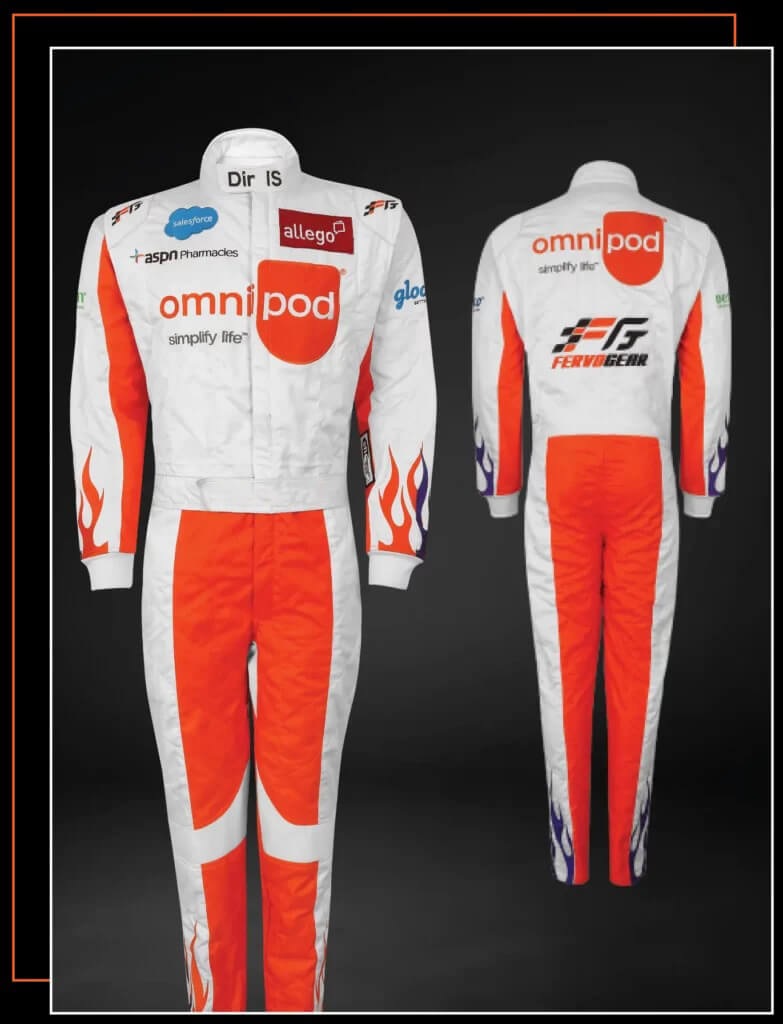
Racing suits are a critical part of a race car driver’s safety gear, designed to protect against fire, abrasion, and other hazards encountered on the track. However, the intense physical demands and high temperatures inside racing vehicles make comfort equally important. Efficient racing suit ventilation can help drivers stay cool and focused, but it must never compromise protection. In this article, we explore how ventilation works in racing suits and offer practical advice on balancing comfort with safety.
Understanding Racing Suit Ventilation
Racing suits are typically constructed from multiple layers of flame-resistant materials such as Nomex. While these materials provide the required protection, their dense layers can limit airflow, causing heat buildup and discomfort during races.

Ventilation features in racing suits are designed to promote airflow without reducing protective qualities. These include strategically placed mesh panels, breathable fabrics in non-critical areas, and moisture-wicking liners that help manage sweat.
Common Ventilation Options
- Mesh or Perforated Panels: Inserted in less exposed areas (like underarms or sides) to allow air circulation.
- Lightweight, Breathable Fabrics: Modern materials that maintain fire resistance while improving breathability.
- Moisture-Wicking Liners: Help pull sweat away from the skin, enhancing comfort and reducing overheating.
Balancing Comfort and Protection
When looking for a racing suit, drivers and teams should consider the following:
1. Compliance with Safety Standards
First and foremost, any ventilation feature must not interfere with the suit’s compliance with the relevant safety standards enforced by sanctioning bodies like FIA or SFI. These rules can change, so always verify the current rulebook to ensure the suit meets the latest requirements.
2. Placement of Ventilation Features
Ventilation panels are most effective when positioned in areas with less risk exposure. Panels commonly appear in zones like inner arms, back, or legs where airflow can be improved without compromising the suit’s fire-resistance integrity.
3. Layering and Suit Weight
While ventilation can reduce overheating, the inclusion of extra panels can add complexity to the suit’s construction. Choosing a suit that balances lightweight design with sufficient layers for fire protection is essential.
4. Suit Fit and Comfort
A well-fitted suit enhances ventilation efficiency. Suits that are too tight restrict airflow, while excessively loose suits may cause chafing or bunching, reducing comfort and safety.
Practical Tips for Drivers and Teams
- Check Certification: Always confirm ventilation features comply with current safety regulations from your racing sanctioning body.
- Evaluate Suit Materials: Look for suits that combine Nomex with additional breathable, moisture-wicking layers designed for racing conditions.
- Test Ventilation Effectiveness: Before race day, wear the suit during practice sessions to assess comfort levels and airflow.
- Consider the Racing Environment: Climate and race duration affect ventilation needs; hotter tracks may require suits with enhanced airflow.
- Regular Suit Maintenance: Proper cleaning and storage maintain fabric integrity and ventilation performance.
FervoGear’s Role in Supporting Drivers
FervoGear is committed to helping racing drivers and teams select gear that optimizes performance and safety. While we focus extensively on custom race suits designed to meet precise safety and comfort standards, we also understand the importance of ventilation to keep drivers comfortable under demanding conditions. Our team stays informed on changing regulations, enabling us to advise on the best options available.
Conclusion
Ventilation in racing suits is an important factor to keep drivers comfortable and focused during competition. However, ventilation must be carefully integrated to ensure it never diminishes the primary purpose of the suit: driver protection. When selecting a racing suit, drivers and teams should verify current safety certifications, consider suit materials and design, and test comfort prior to race day. Only by balancing ventilation and protection can you achieve the ideal racing experience.
For more information on racing gear options tailored to your needs, visit FervoGear’s blog and product pages.