
https://shop.fervogear.com/cart

Lewis Hamilton Reveals Two Powerful Reasons F1 Must Race in Malaysia

Highlights
- Formula 1 returns to Sepang International Circuit after nearly ten years
- Lewis Hamilton praises high-quality racing and physical challenges at Sepang
- Sepang’s hot, humid climate causes drivers to lose over four kilograms
- Hamilton won the Malaysian Grand Prix previously in 2014 with Mercedes
- F1 prioritizes circuits that allow overtaking and close competition
- Malaysia race included in 2026 calendar, expanding F1’s global footprint
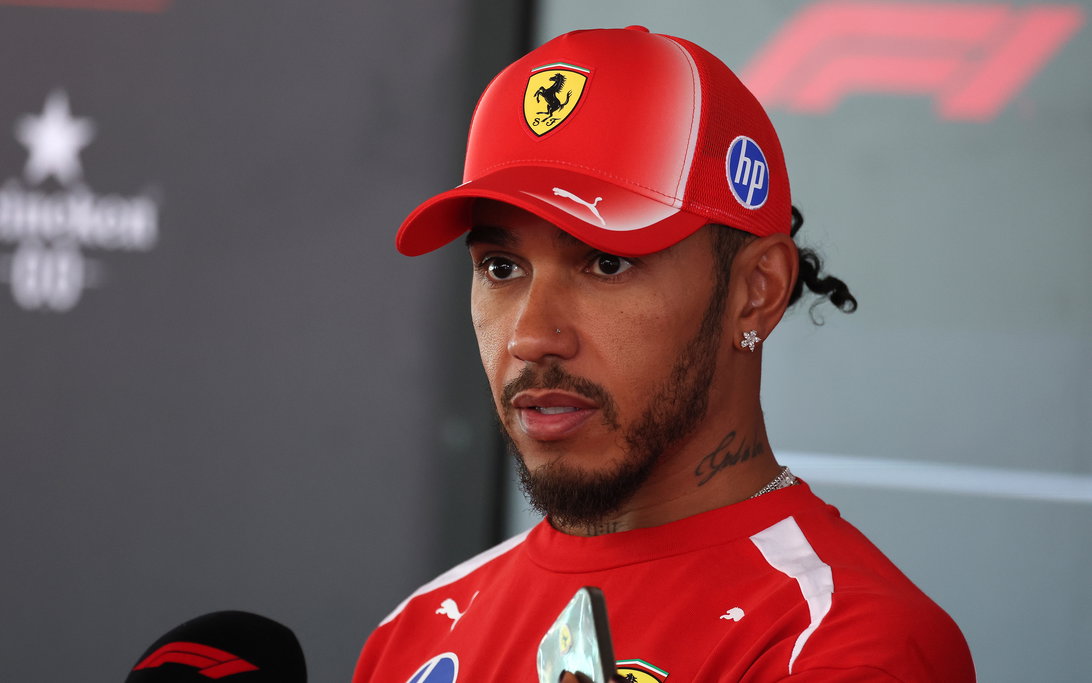
Lewis Hamilton welcomes Formula 1’s 2026 return to Malaysia, arguing Sepang belongs on the calendar for two reasons: race quality and extreme physical challenge.
The seven-time champion says Sepang International Circuit consistently produces overtaking and close battles, the type of racing F1 should prioritise when shaping future schedules.

“It is a circuit that does give good racing,” says Hamilton, urging F1 to prioritise venues that enable overtaking and wheel-to-wheel action.
Hamilton’s stance on raceability also reflects broader discussions about which events endure, and how F1 selects venues that showcase drivers and machinery. That aligns with his views on calendar decisions made in recent seasons.
The other pillar is physicality. Temperatures above 30°C and humidity beyond 80% stretch drivers across the 56 laps, intensifying cockpit heat and fluid loss.
Drivers can lose more than four kilograms during the Malaysian Grand Prix due to heat and humidity.
Hamilton, closely tied to Kuala Lumpur through long-time Mercedes partner Petronas, calls the event “massively physically demanding,” yet welcomes its test of endurance and concentration.
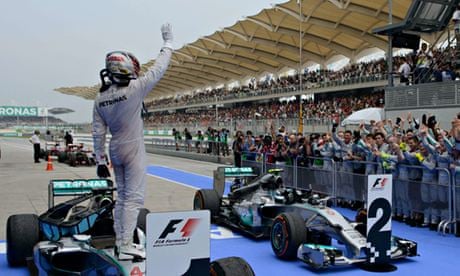
His record underscores that duality. He won in 2014 with Mercedes, but an engine failure ended a dominant 2016 run from pole while leading comfortably.
Hamilton’s Malaysia record spans a 2014 victory and a 2016 retirement from the lead after an engine failure.
Sepang’s demands will influence car setup and tyre usage. Cooling efficiency, brake management, and lift-and-coast techniques become decisive, amplifying the importance of Pirelli’s tyre management challenge in Malaysia.
The calendar move also serves F1’s strategic aims. Malaysia’s fanbase and motorsport heritage complement the series’ global expansion while reinstating a circuit known for overtaking-friendly corner sequences.
Elsewhere in the field, preparation varies. Heat acclimatisation, hydration strategies, and set-up compromise will be critical, particularly for drivers like Lando Norris targeting consistency over long stints.
F1 returns to Malaysia after almost a decade away, restoring a venue renowned for raceability and driver endurance.
Hamilton’s comments echo a wider trend: prioritising venues that reward racecraft without sacrificing technical scrutiny. Sepang’s return should provide exactly that balance in 2026.
Visual Summary
MALAYSIA RETURNS!
Hamilton: “This is REAL racing & a true physical test”
30°C +
Searing Heat
80% Humidity
4kg+ lost
per driver
Hamilton: Anticipation & endurance
“This is what racing fans want!”
FORMULA 1 RETURNS TO SEPANG AFTER 10 YEARS
A new era of thrilling overtakes and physical extremes begins.

Daniel Miller reports on Formula 1 Grand Prix weekends with race-day analysis, team-radio highlights, and point-standings updates. He explains power-unit upgrades, aerodynamic developments, and driver rivalries in straightforward, SEO-friendly language for a global F1 audience.