
https://shop.fervogear.com/cart

George Russell Warns of Tyre Overheating Risk Ahead of Malaysian GP


Highlights
- George Russell warns of tyre overheating at Malaysian Grand Prix.
- Resurfaced Sepang track expected to cause low grip early weekend.
- Hot, humid weather and heat hazard add challenges for teams.
- Oscar Piastri describes track as sandpaper, expects high tyre degradation.
- Friday practice crucial to assess tyre wear and manage strategy.
- Tyre management will significantly influence race outcomes and overtaking.
George Russell warns tyre overheating will define the Malaysian Grand Prix at Sepang, as F1 returns to the venue for the first time since 2017 amid oppressive heat.
Thermal management could restrict following and limit passing, dulling the “yo-yo” exchanges. Teams face trade-offs between outright pace, stint length, and qualifying preparation laps.

A September resurface leaves an abrasive, low-grip surface early in the weekend. The FIA has flagged a heat hazard, with high humidity compounding tyre temperatures and cockpit load.
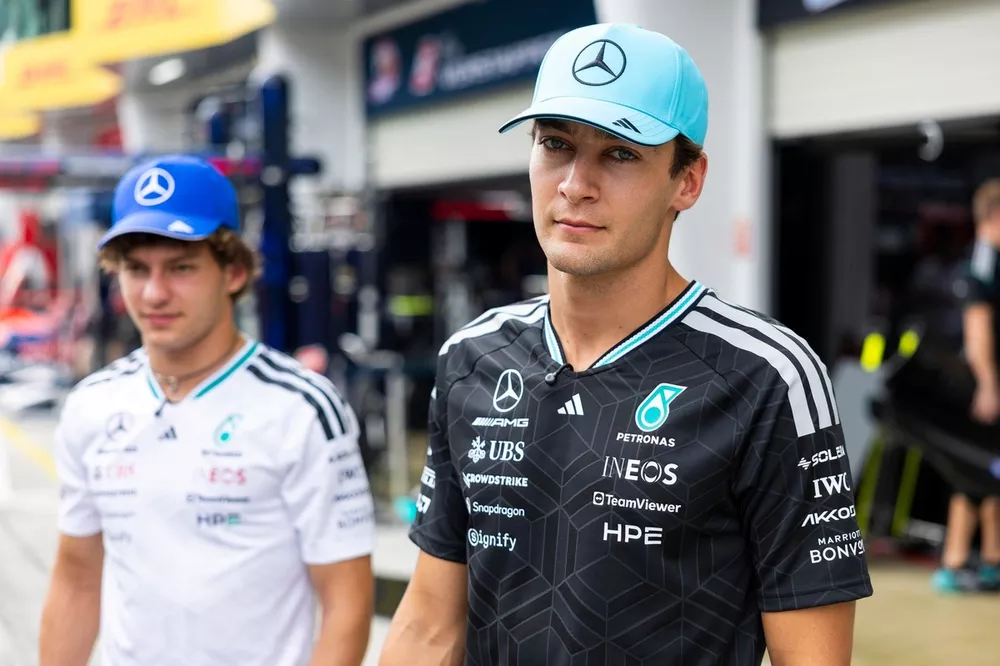
Russell contrasts Malaysia with Melbourne, Silverstone, Monza, Canada, and a cooler Bahrain. He expects out-laps to sit on a knife-edge, with tyres overheating before they bite.
Tyre overheating threatens close racing and will shape stint lengths, qualifying prep, and overtaking windows.
Oscar Piastri calls the surface “sandpaper-like” and anticipates heavy degradation. Regular afternoon showers could strip rubber, slowing track evolution and resetting grip between sessions.
Friday practice becomes a test bed for wear, graining, and thermal deg mapping. Mercedes must protect tyres through the long arcs of the Sepang International Circuit, while exploiting its straights. That balance matters despite Russell’s recent run of form this season.
Resurfacing plus an FIA heat hazard points to a low-grip, high-degradation start to the weekend.
Experience will count. Some drivers, including Kimi Antonelli, have limited Sepang mileage, making early laps valuable for lines, brake blanking choices, and tyre warm-up discipline.
Strategy likely pivots on managing surface overheating over cumulative wear. Expect conservative out-lap targets, flexible stint lengths, and undercut attempts tempered by thermal sensitivity in traffic.
Afternoon rain could repeatedly wash away rubber, resetting track evolution and complicating long-run reads.
If rain intervenes, DRS potency may rise as rubber washes away, aiding straight-line passing. Sustained attacks will still punish tyres, so timing and patience remain decisive.
The outcome should reward teams that stabilise temperatures fastest and keep drivers in clean air. That places a premium on track position, cooling efficiency, and disciplined tyre usage.
Visual Summary
🔥
🔥
TYRE MELTDOWN
AT SEPANG?
AT SEPANG?
🌡️
Track Heat:
Overheating
Track Heat:
Overheating
🛞
Track Grip:
Low
Track Grip:
Low
George Russell 🚗💭
Oscar Piastri 🏁😰
Kimi Antonelli 🌱
Yo-Yo Racing
⬇️
in danger
⬇️
in danger
Tyre management will decide this race.
Who adapts fastest to the heat wins Malaysia.
Who adapts fastest to the heat wins Malaysia.
Strategy Pressure:
🔥
HI

Daniel Miller reports on Formula 1 Grand Prix weekends with race-day analysis, team-radio highlights, and point-standings updates. He explains power-unit upgrades, aerodynamic developments, and driver rivalries in straightforward, SEO-friendly language for a global F1 audience.