
https://shop.fervogear.com/cart

Sebastien Buemi Challenges WEC Race Control Over VSC and FCY Decisions

Highlights
- Sebastien Buemi frustrated by inconsistent WEC neutralisation procedures.
- VSC and FCY choices complicate strategic decisions during races.
- Fuji 6 Hours safety car call aided Toyota’s surprise victory.
- FIA stresses race control decisions prioritize safety above all.
- Race director uses cameras and marshals for incident assessment.
- Neutralisation type decisions significantly impact WEC race outcomes.
Sebastien Buemi criticises inconsistent WEC neutralisation calls, saying uncertainty around VSC, FCY, and safety cars complicates strategy. His remarks follow recent incidents at Austin and Fuji in 2026.
The distinction matters. FCY usually closes the pitlane except for emergencies, while VSC permits pitting. Subsequent safety cars compress gaps, turning timing and fuel windows into decisive advantages or losses.
It has become difficult for teams to predict which neutralisation will be used, says Buemi.
At Austin’s Lone Star Le Mans, race control uses VSC to clear debris. Some competitors expect FCY, and the later safety car resets gaps, reshaping strategies across the field.
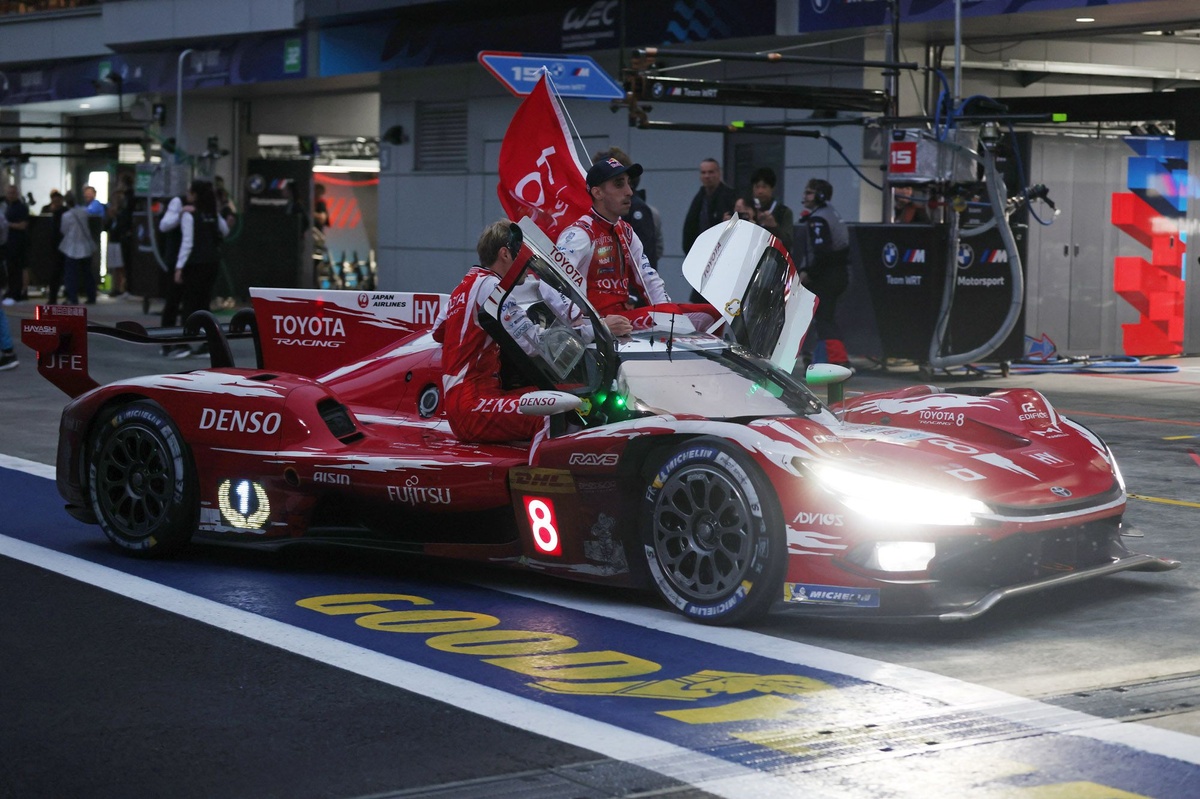
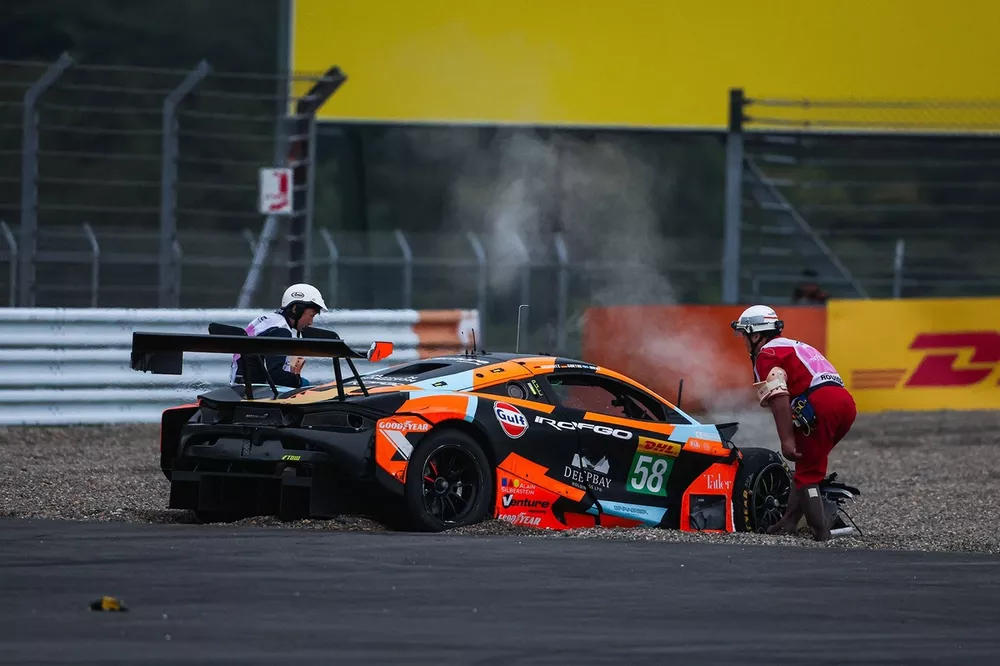
Strategic consequences resurface at the Fuji 6 Hours, where Toyota’s #8 crew gambles during a late safety car. The team anticipates lengthy barrier repairs after a heavy GT crash.
The choice between VSC, FCY or safety car can decide races.
The incident involves the #58 McLaren 720S GT3. With the race neutralised, Toyota short-fuels, betting the repairs outlast their stint requirement and flip track position.
That call enables Buemi, Brendon Hartley, and Ryo Hirakawa to overturn Alpine’s pace and win. Buemi frames it as execution, built on accurate reads of repair duration.
In response, the FIA reiterates safety sits above competition, as outlined in its recent FIA‑ACO WEC framework. Benoit Dupont says race control uses onboard, CCTV, and marshal reports.
FIA: Safety remains the top priority in every call.
Dupont also notes each incident is unique, depending on urgency, resources, and location. That context may differ from what drivers perceive in-car, fuelling questions about the selected neutralisation.
The competitive effect is profound. Teams model multiple caution scenarios and pitlane closures, echoing recent F1 debates on safety car usage, including David Coulthard’s critiques of consistency.
With margins tight in Hypercar, neutralisation choices will keep shaping outcomes. Expect teams to prioritise prediction models and opportunistic fuelling, as Toyota’s Fuji victory underlines against quicker rivals.
Visual Summary
VSC
FCY
SC
?
Strategy Roulette:
WEC Race Neutralisations Keep Toyota Guessing
WEC Race Neutralisations Keep Toyota Guessing
Austin
VSC for debris
Pit lane open → Confusion
VSC for debris
Pit lane open → Confusion
Fuji
Major crash
Safety Car → Toyota #8 victory
Major crash
Safety Car → Toyota #8 victory
“It’s difficult for drivers and teams to predict which caution will come out. Races are coming down to small calls or luck, not just speed.”
– Sébastien Buemi
VSC
Pit lane open
Time gamed
Time gamed
FCY
Pit lane closed
No stop, less chaos
No stop, less chaos
Safety Car
Field bunched
Strategy reset
Strategy reset
FIA says:
Each call is based on safety, using all available data. But unpredictability will be part of the strategy game as the Hypercar fight tightens.
Each call is based on safety, using all available data. But unpredictability will be part of the strategy game as the Hypercar fight tightens.

Zane Muniz writes across NASCAR, IndyCar, F1, IMSA, NHRA, and dirt-racing news. His breaking-news alerts and event previews ensure motorsport fans never miss a lap, drift, or drag-strip showdown.