
https://shop.fervogear.com/cart


McLaren Claims Unmatched Edge in Record-Breaking F1 Arms Race

Highlights
- Andrea Stella calls 2026 F1 upgrade battle “unprecedented” in speed
- Teams continuously introduce upgrades causing frequent performance order changes
- McLaren’s Hungarian GP upgrade helped Lando Norris win two races
- Red Bull surged ahead recently, especially with their RB22 car
- Track conditions like Malaysia’s rough surface impact car and tire performance
- Championship expected to remain unpredictable with evolving car developments
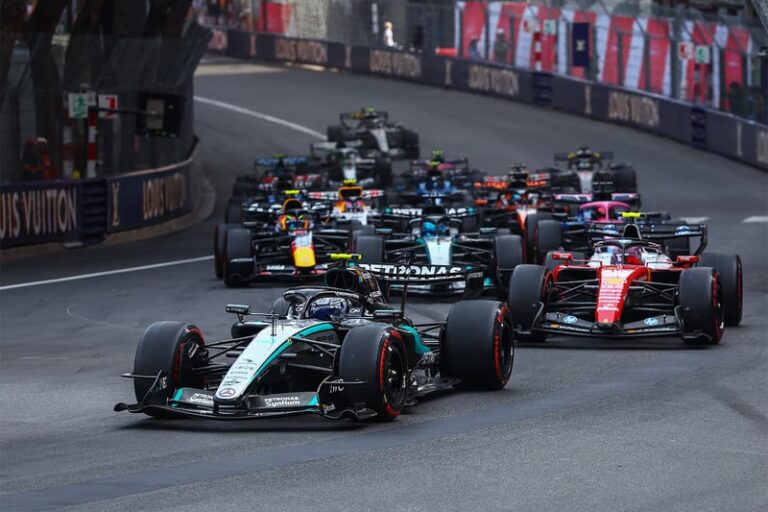
Andrea Stella calls the 2026 Formula 1 development race unprecedented for speed and strike rate, with upgrades repeatedly reshaping the competitive order in the first season of new chassis rules.
Teams that introduce effective packages gain instantly, while rivals fall back until their next steps land. The volatility has defined a field still interpreting relatively fresh regulations.

Unlike late-phase ground-effect seasons, where concepts converged and progress slowed, 2026 offers headroom. Aerodynamic and cooling trade‑offs remain open, encouraging aggressive iteration.
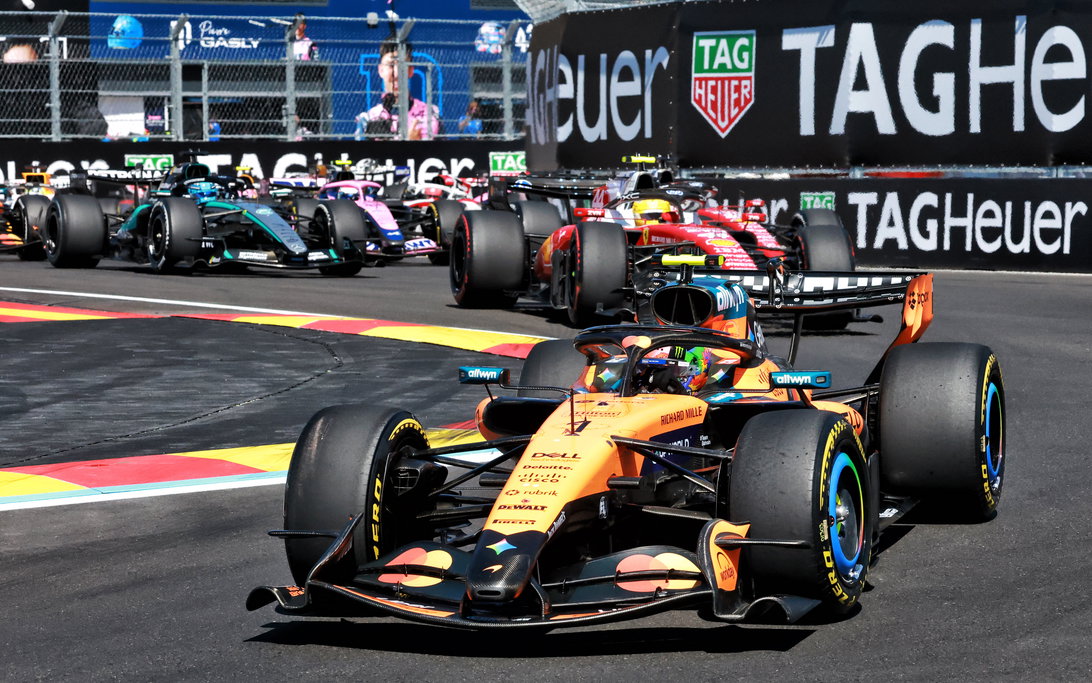
Stella: 2026 upgrade battle ‘unprecedented’ in speed and success.
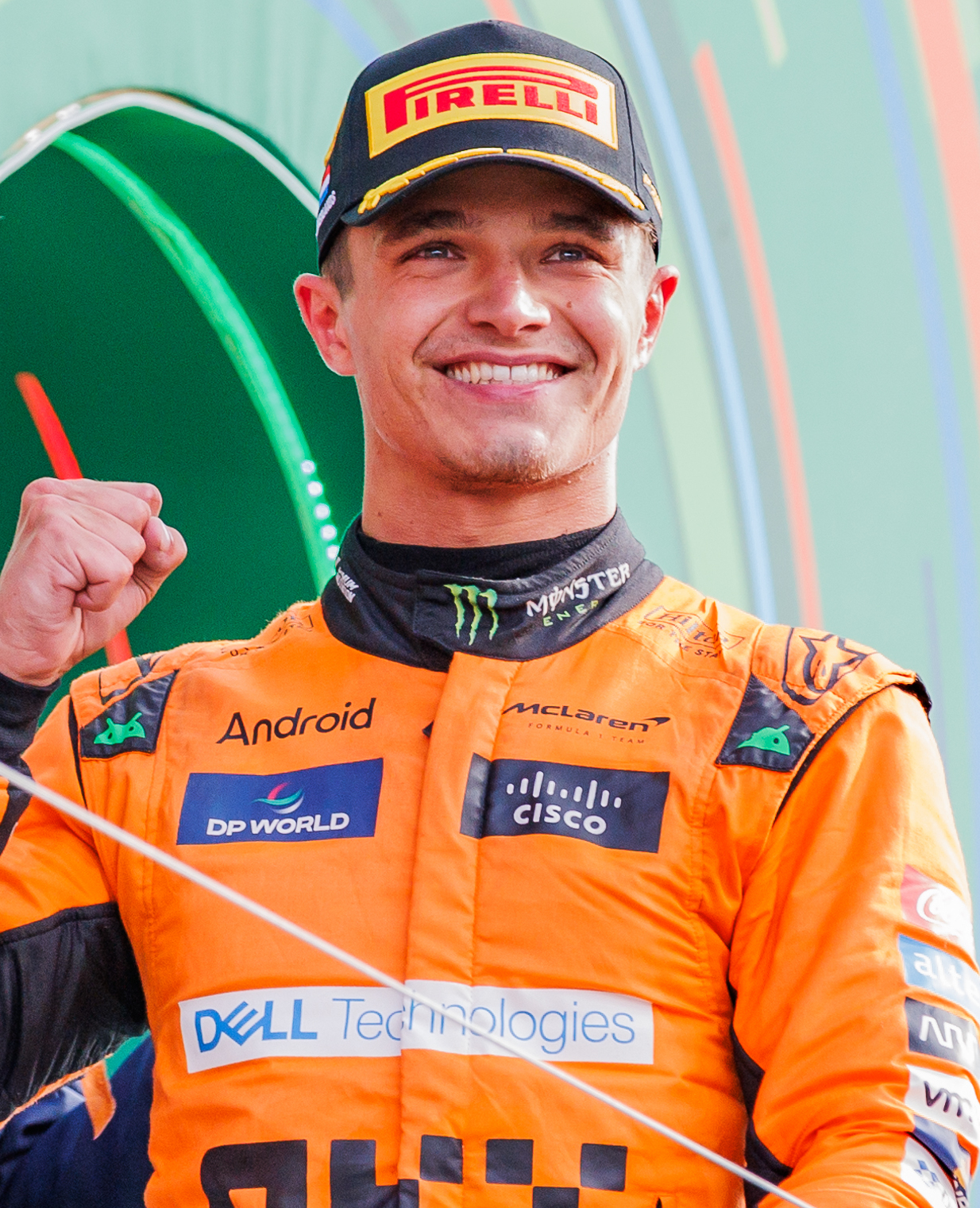
McLaren’s Hungary package was the standout. It underpinned poles and victories for Lando Norris in Budapest and Zandvoort, validating the team’s aerodynamic direction and correlation.
Norris also took pole in Spain, but a Virtual Safety Car skewed the race picture and blunted the win chance.
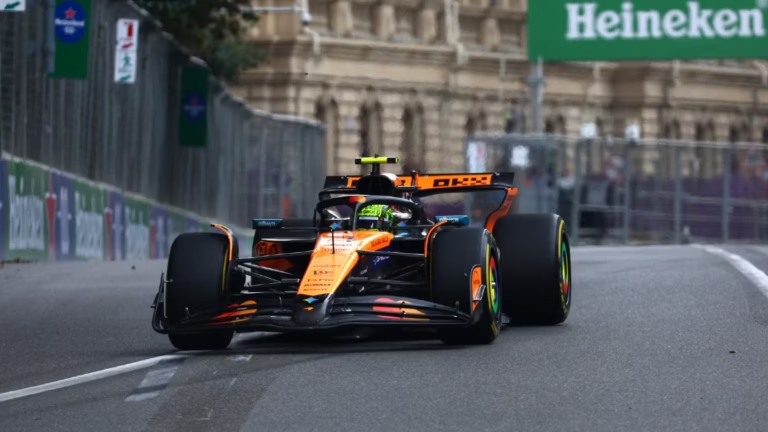
Form has since shifted. McLaren lost ground in Azerbaijan and Bahrain, while Red Bull surged with the RB22’s efficiency, especially in hotter conditions and longer stints.
Malaysia’s rough surface and extreme heat forced larger cooling openings, costing downforce.
Stella praises the pace of innovation but cautions against quick verdicts on rivals. He cites Mercedes’ Sepang upgrade, which promised more on paper than it delivered on track.
Even internally, he argues, teams lack full clarity. Incomplete data, evolving setups, and weather variability complicate attribution when a package underperforms or exceeds expectations.
Teams rarely hold complete data on upgrades mid‑weekend, complicating verdicts on performance swings.
Sepang amplified those effects. The abrasive surface and humid heat increased degradation and cooling demand, forcing bigger bodywork openings that trim downforce and change balance.
Cars with stronger cooling architectures paid a smaller penalty. Bahrain offers a similar roughness profile, so results there and in Malaysia may not reflect true underlying pace.
Expect more swings as developments land and circuits vary. For McLaren Racing, the next gauge arrives at the Singapore Grand Prix, where low-speed efficiency and cooling discipline matter.
Visual Summary
🏁
☀️
💧
2026: The Wildest F1 Development Race
Teams leap ahead, then fall behind, as relentless upgrades turn each race into a new mountain to climb.
McLaren’s gains
made Norris a winner, but fortunes flip fast as rival tech, rough tracks, and fierce weather shift the standings.
Every Grand Prix reshuffles the order—no one can rest.
McLaren’s gains
made Norris a winner, but fortunes flip fast as rival tech, rough tracks, and fierce weather shift the standings.
Every Grand Prix reshuffles the order—no one can rest.
⚡
“Unprecedented upgrade war!” – Andrea Stella
“Unprecedented upgrade war!” – Andrea Stella
5
Big upgrades
so far
so far
2
Norris wins
after new package
after new package
∞
Unknowns under
evolving rules
evolving rules
Arms race on every lap.
Singapore GP → Next drama awaits.
Singapore GP → Next drama awaits.

Daniel Miller reports on Formula 1 Grand Prix weekends with race-day analysis, team-radio highlights, and point-standings updates. He explains power-unit upgrades, aerodynamic developments, and driver rivalries in straightforward, SEO-friendly language for a global F1 audience.