

https://shop.fervogear.com/cart


Helmut Marko Confirms F1’s Turbo V8 Engine Comeback Set for 2030

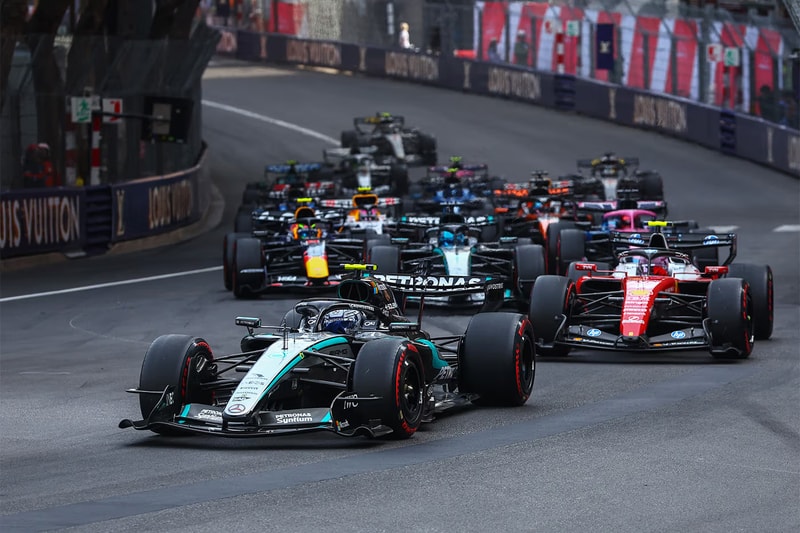
Highlights
- F1 will return to turbo V8 engines from the 2030 season.
- 2026 regulations caused technical issues and disrupted Bahrain Grand Prix.
- Sepang race faced heavy rain delays and software failures.
- Max Verstappen supports moving away from hybrid engines.
- New engine plan aims to simplify tech and improve racing.
- Shift responds to challenges balancing sustainability and competition.
Helmut Marko confirms Formula 1 will return to turbo V8 engines from 2030, following persistent problems with the 2026 power unit rules and software failures at Sepang.
The former Red Bull adviser calls the disruption shameful, arguing today’s cars operate as rolling computers, reliant on delicate synchronisation between combustion power and electrical deployment.

Heavy rain compounds a complex software fault tied to the 2026 framework, suspending sessions and exposing how the mandated 50/50 split increases calibration demands across power units and control systems.
Marko tells oe24 the fallout accelerates a confirmed direction change. He says F1 will reintroduce turbocharged V8s for 2030, mirroring details in V8 engine return plans.
Marko says F1 will reintroduce turbo V8 engines for the 2030 season.
The rationale is clear: reduce software dependencies, prioritise drivability, and re-centre performance on the engine. That sentiment gains traction among drivers, notably Max Verstappen, as noted in recent comments.
Competitive effects could be significant. Simpler energy flows should cut race-day fragility and change packaging priorities, though manufacturers still weigh sustainability messaging, fuel development pace, and marketing alignment.
Sepang’s software fault exposed how the 50/50 hybrid split increases operational risk.
For Red Bull, the stance seeks predictability amid leadership scrutiny and shifting dynamics, as explored in recent analyses of Horner, Marko, and Verstappen.
Meanwhile, teams press on with 2026 preparation. Power unit and chassis groups refine energy management tools, while projects like Aston Martin’s 2026 upgrade focus continue under the current framework.
Top drivers, including Verstappen, advocate lighter, louder cars with simpler powertrains.
Governance remains crucial. Formal approval, technical scope, and transitional provisions must protect cost-cap stability and supplier pipelines, while giving manufacturers fair lead time to pivot designs.
Clarity on timelines aids planning. With 2030 targeted, suppliers can map dyno programmes, cooling concepts, and installation strategies without repeating 2026’s operational vulnerabilities.
For fans, a V8 return promises character and immediacy. For engineers, it promises fewer failure modes and clearer trade-offs. The objective is equilibrium between spectacle, sustainability, and credible competition.
Visual Summary
🔊
2010s
2010s
PURE POWER
🤖
2026
2026
ROLLING COMPUTER
🚀
2030
2030
TURBO V8
The Engine Revolution:
Turbo V8s Return in 2030!
Turbo V8s Return in 2030!
Formula 1 abandons fragile hybrid tech after Sepang chaos.
Rolling computers out, roaring engines in.
Confirmed by Helmut Marko.
Rolling computers out, roaring engines in.
Confirmed by Helmut Marko.
🏁
Drivers & fans celebrate return of real racing sound.
Drivers & fans celebrate return of real racing sound.
💥
New tech failures forced F1 to listen and change.
New tech failures forced F1 to listen and change.

Daniel Miller reports on Formula 1 Grand Prix weekends with race-day analysis, team-radio highlights, and point-standings updates. He explains power-unit upgrades, aerodynamic developments, and driver rivalries in straightforward, SEO-friendly language for a global F1 audience.