
https://shop.fervogear.com/cart


Inside F1’s Urgent Cooling Vest Challenge Explained

Highlights
- Mercedes chose not to develop cooling vest under cost cap rules.
- Russell urges FIA to support driver cooling solutions.
- Cooling vests lose effectiveness after 20 to 40 minutes.
- FIA offers extra funds if cooling lasts full race, improves comfort.
- Mercedes prioritizes cockpit cooling, uses pre-race ice packs.
- Cooling vest issues persist due to cost, comfort, and design challenges.
George Russell says he will not run a cooling vest this season, revealing in Malaysia that Mercedes opted against developing the device under cost-cap constraints.
Mercedes prioritises performance spend on the car, not driver-worn cooling. Russell argues the FIA should step in to support more robust, accessible solutions.

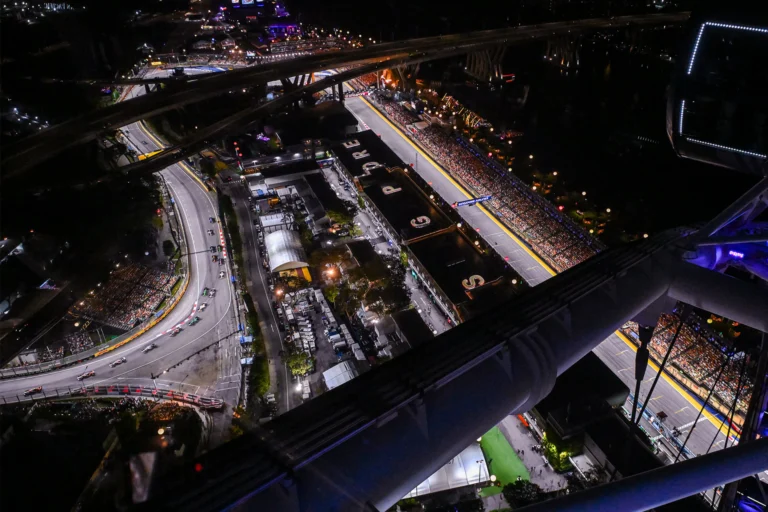
The 2024 Singapore Grand Prix exposed the risk, with Russell and Lewis Hamilton nearing heat stroke in a safety-car-free race, intensifying pressure for better protection.
Russell says past vests offered short-term relief, but reliability and consistency proved elusive within capped budgets. That echoes how drivers have pushed for changes to cooling support.
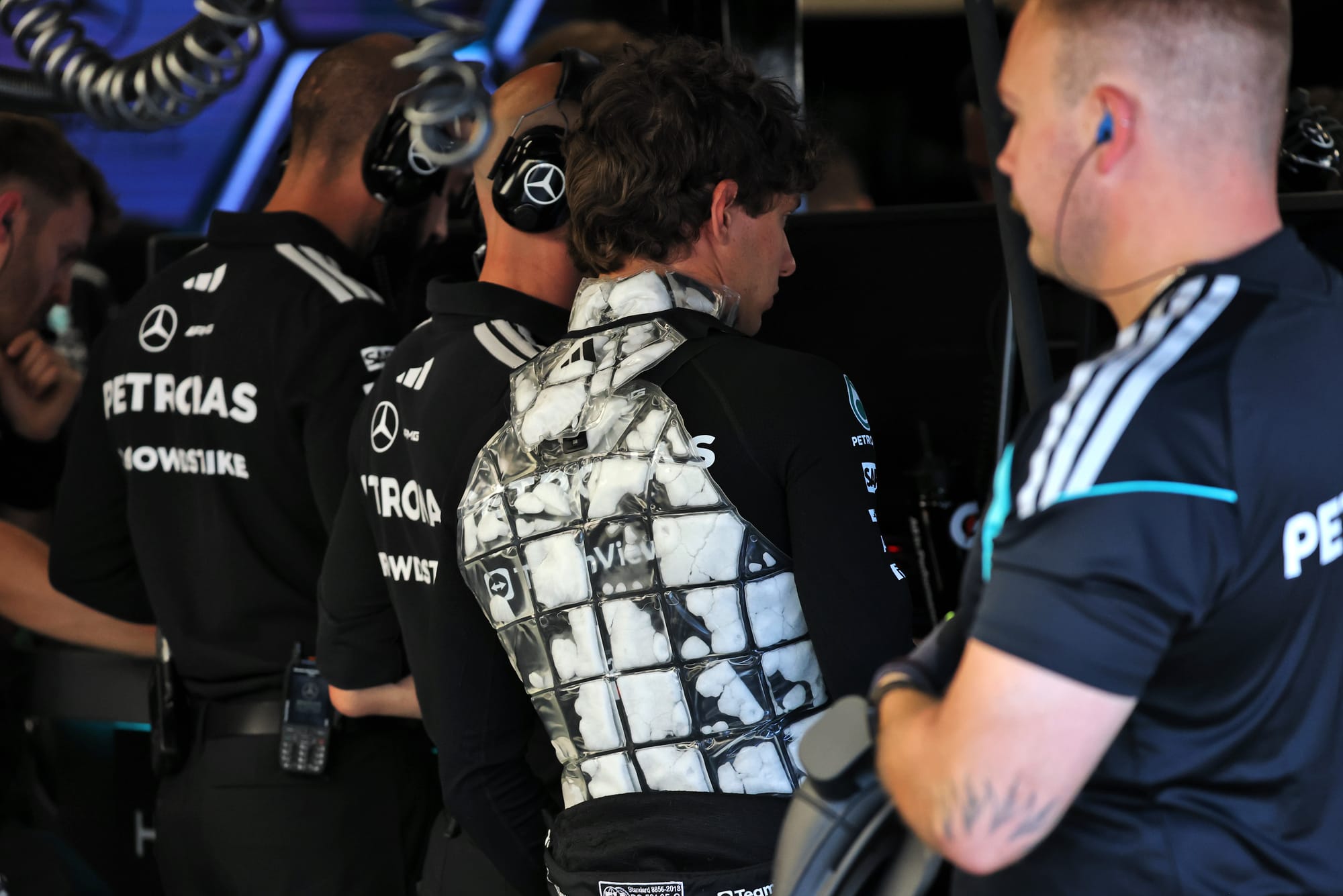
Cooling vests appeared in 2025, but engineering compromises quickly surfaced. Liquid-cooling circuits deliver an initial drop, then steadily lose capacity as the fluid warms.
Cooling vests typically lose effectiveness after 20–40 minutes, often becoming heat-soaked burdens.
Once heat-soaked, the garment can trap warmth, increasing discomfort. That trade-off keeps vests optional, with some drivers preferring ballast during designated heat-hazard events to avoid uneven weight penalties.
Standardising a single system remains tricky. Cockpit and seat geometries vary, complicating packaging and routing, and making a universal fit difficult to mandate.
The FIA granted limited financial flexibility to pursue fixes, as noted by Mercedes, but results lagged. By late 2025, two issues dominated: short duration and invasive tubing.
Governing guidance offered $50,000 under the cap for race-long performance, and another $75,000 for resolving comfort complaints, subject to proof through practice or simulator testing.
FIA offered $50,000 for full-race cooling and $75,000 for solving comfort issues, contingent on proof of performance.
Mercedes concluded the upside did not justify the spend or risk. Internal analysis suggested only a handful of events would be severely affected by heat this season.
Deputy team principal Bradley Lord says drivers contributed to the evaluation, and that the allowances were insufficient to guarantee a robust, reliable vest package.
Malaysia’s late addition heightened exposure, but Mercedes leaned on pre-race cooling measures such as ice packs, which are prohibited inside the car.
The team has also invested in improved cockpit airflow and thermal management, reducing peak cabin temperatures versus 2024. That mirrors the broader cooling development push across rivals.
Mercedes prioritises cockpit cooling and car performance over vest development under the cost cap.
For now, the debate boils down to cost, comfort, safety, and performance. Without a spec solution or broader exemptions, teams will continue to optimise locally rather than pursue heavy vest redesigns.
Visual Summary
Heat vs. Performance: Mercedes drops cooling vest
George Russell & Mercedes gamble on car speed over comfort – no cooling vest in extreme heat to stay below F1’s cost cap.
💰
Car Upgrades
🦺
Cooling Vest
Mercedes weighed cost cap priorities: car speed wins, driver comfort sacrificed. FIA offers little extra funding—but not enough for safe, lasting cooling solutions.
Cooling vests lose effect after 20-40min, making them nearly useless for a full F1 race.
FIA may allow extra funds if teams crack full-race cooling & comfort
For now, most drivers brace for the heat—and favor performance over comfort.

Daniel Miller reports on Formula 1 Grand Prix weekends with race-day analysis, team-radio highlights, and point-standings updates. He explains power-unit upgrades, aerodynamic developments, and driver rivalries in straightforward, SEO-friendly language for a global F1 audience.